
A Link Between Cold Sores and Alzheimer’s Disease?
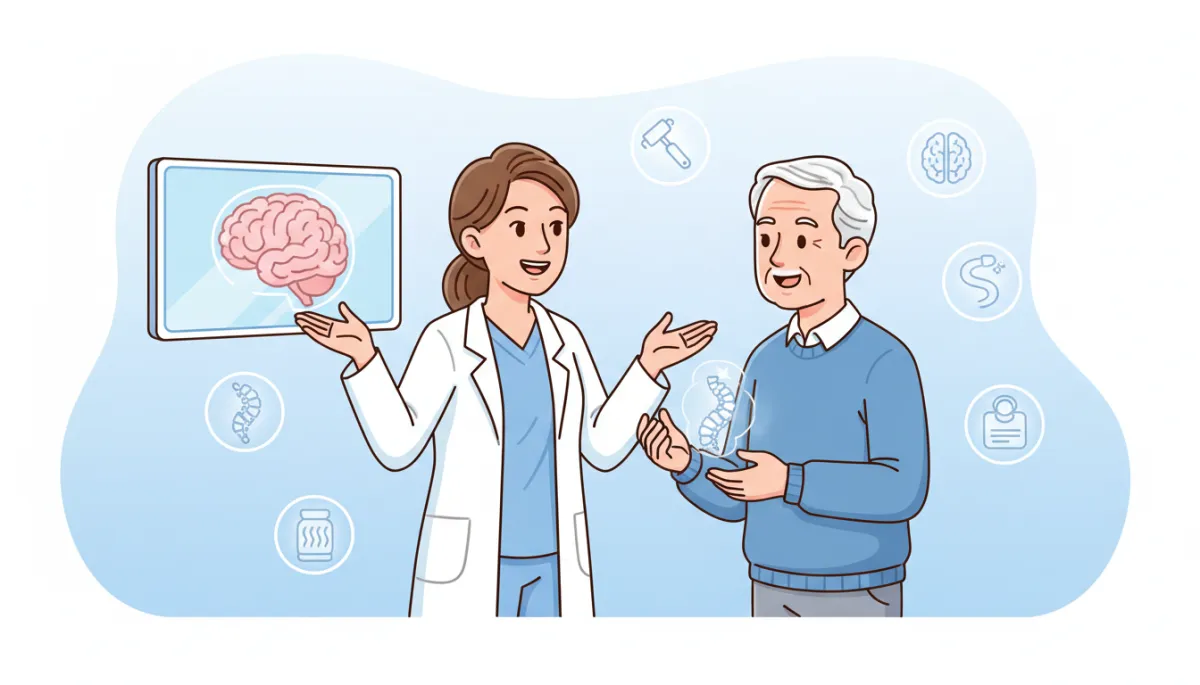
Cold Sores, Brain Health, and Non-Surgical Care in Shelton, CT
Memory problems, brain fog, and difficulty concentrating can make everyday tasks feel overwhelming. Simple activities like driving, working, managing finances, or keeping up with conversations may start to feel harder than they used to.
For many people, these changes can affect walking, balance, sleep, mood, and even the ability to enjoy time with family and friends. It can be frustrating and frightening when your brain doesn’t seem to cooperate the way it once did.
At Connecticut Disc and Laser Therapy Centers in Shelton, CT, we evaluate patients dealing with chronic pain, nerve irritation, muscle tension, and related conditions that may affect comfort, mobility, and overall quality of life. While we do not diagnose or treat Alzheimer’s disease, we do focus on non-surgical approaches that may help support healthier movement, circulation, and nervous system function as part of a broader wellness plan.
The good news? Many chronic pain and mobility problems do not automatically require surgery, injections, or long-term medications. For the right patient, advanced non-surgical treatment options may help reduce pain, improve mobility, calm irritated tissues, and support better function as part of a comprehensive care plan recommended by your healthcare providers.
In This Article, We’ll Explain:
The basics of Alzheimer’s disease and brain health
What research suggests about a possible link between cold sores (HSV-1) and Alzheimer’s
How inflammation and the nervous system may be connected
The potential role of nutrients like L-lysine in supporting viral balance
Why Alzheimer’s is considered a disease process, not just “normal aging”
How lifestyle and conservative care may help support overall wellness
How advanced non-surgical therapies like spinal decompression may help certain pain conditions
How MLS laser therapy may help support tissue healing and comfort
How emField Pro High Energy Inductive Therapy may support muscles and nerves
The role of chiropractic and movement-based care in a non-surgical plan
Why patients in Shelton choose Connecticut Disc and Laser Therapy Centers
Helpful related articles and pages
The bottom line on brain health, inflammation, and non-surgical options
1. Understanding Alzheimer’s Disease and Brain Health
Alzheimer’s disease is the most common cause of dementia and is a major concern for aging adults and their families. It is a progressive condition that can affect memory, thinking, mood, and the ability to manage everyday tasks over time.
People living with Alzheimer’s may gradually lose parts of their personality, independence, and self-care skills. According to the Centers for Disease Control and Prevention (CDC), millions of Americans are currently affected, and the number is expected to rise in the coming decades as the population ages.
While our office does not diagnose or treat Alzheimer’s disease, understanding how the brain and nervous system work can help patients make more informed choices about their overall health plan in coordination with their medical providers.
2. What Are Beta-Amyloid Plaques and Why Do They Matter?
In the brains of many people with Alzheimer’s disease, researchers often find abnormal protein deposits called beta-amyloid plaques. These plaques build up between nerve cells and have been strongly associated with the condition for many years.
However, even though there is a clear association, large, well-funded studies have not definitively proven that beta-amyloid plaques are the sole cause of Alzheimer’s. This has led scientists to look for other possible triggers and contributors, including viral infections, inflammation, and immune system responses in the brain.
3. Cold Sores (HSV-1) and a Possible Connection to Alzheimer’s
Cold sores are commonly caused by the herpes simplex virus type 1 (HSV-1). Many people carry this virus, and it can remain in the body for years, occasionally “reactivating” and causing visible sores around the lips or mouth.
Interestingly, research going back several decades has suggested that HSV-1 may also play a role in the development of Alzheimer’s disease in some individuals. Studies from nearly 40 years ago raised this possibility, and a 2014 study detected HSV-1 in the brains of patients with Alzheimer’s, especially in areas related to memory.
Some neuroscientists propose that beta-amyloid plaques could, in part, be the brain’s response to fighting off viral activity, including HSV-1. This theory is still being explored, and more research is needed, but it highlights how complex the relationship between infections, the immune system, and brain health may be.
4. Inflammation, the Nervous System, and Overall Health
Inflammation is the body’s natural response to injury, irritation, or infection. In the short term, it may help protect and repair tissues. But when inflammation becomes chronic, it may contribute to pain, stiffness, nerve irritation, and other health concerns throughout the body, including the brain and spine.
Chronic inflammation and nerve irritation can make it uncomfortable to sit, stand, walk, sleep, or exercise. That is why many conservative care plans aim to calm irritated tissues, reduce mechanical strain on joints and discs, and support better circulation and movement patterns whenever possible.
Supporting a healthier spine and nervous system does not replace medical care for conditions like Alzheimer’s, but it may be one helpful piece of a broader wellness strategy, especially for patients dealing with chronic pain or mobility limitations.
5. L-Lysine, Arginine, and HSV-1: What Research Suggests
Some researchers have explored the idea that certain nutrients may influence how HSV-1 behaves in the body. As far back as the late 1960s, studies suggested that HSV-1 requires the amino acid arginine to replicate. Another amino acid, L-lysine, may help limit this process by competing with arginine.
Double-blind studies have reported that L-lysine supplementation may help reduce the frequency or severity of HSV-1 cold sore outbreaks in some people. This has led some experts to wonder whether managing HSV-1 activity over time could potentially influence long-term brain health, although this connection is still being researched and is not fully understood.
Always talk with your primary care physician or specialist before starting any new supplement, especially if you take medications or have other health conditions. Individual needs vary, and what may be appropriate for one person may not be right for another.
6. Alzheimer’s as a Disease Process — Not “Just Getting Older”
Some clinicians, including Dr. Robert Rubey and others, emphasize that Alzheimer’s appears to be a disease process rather than a normal part of aging. While age is a major risk factor, not everyone who gets older will develop Alzheimer’s disease.
This perspective encourages patients and providers to look closely at factors such as viral reactivation, chronic inflammation, vascular health, lifestyle choices, and overall nervous system function. The goal is to identify areas where supportive, preventive, or conservative strategies may be helpful, always in coordination with appropriate medical care.
7. Lifestyle, Diet, and Non-Surgical Wellness Strategies
Many doctors, including chiropractors and other conservative care providers, often recommend anti-inflammatory diets and lifestyle changes to support overall wellness. These may include more fruits and vegetables, lean proteins, healthy fats, and reduced processed foods and sugars, when appropriate for the individual.
In 2010, Dr. Rubey speculated that supplementing with L-lysine and following a lower-arginine diet (by reducing certain nuts, seeds, grains, and tofu) might help protect against Alzheimer’s, especially in the context of HSV-1. However, this idea remains theoretical, and more research is needed before firm recommendations can be made. Patients should always consult their medical doctor before making significant dietary or supplement changes.
At our clinic, we do not prescribe diets or supplements for Alzheimer’s disease, but we may discuss general wellness habits that could support joint, muscle, and nerve health as part of a broader non-surgical pain relief plan, in collaboration with your healthcare team.
8. How Spinal Decompression Therapy May Help Certain Spine and Nerve Conditions
Spinal Decompression Therapy is an advanced non-surgical treatment that gently stretches the spine in a controlled way. For the right patient, this may help reduce pressure on spinal discs and nerves, support improved circulation to the area, and promote a better healing environment for injured tissues.
Patients with disc-related back or neck pain, sciatica-type leg pain, or nerve irritation sometimes find that decompression may help support pain reduction and improved mobility as part of a broader care plan. This is especially important when pain and stiffness interfere with walking, standing, sitting, working, or sleeping comfortably.
Not everyone is a candidate for spinal decompression. A thorough evaluation is necessary to determine whether this non-surgical option may be appropriate for your specific condition.
9. MLS Laser Therapy and Tissue Comfort
MLS Laser Therapy is a non-invasive light-based treatment that uses specific wavelengths of laser energy to interact with tissues. For the right patient, this may help support reduced inflammation, improved circulation, and relief of muscle or joint discomfort as part of a comprehensive treatment plan.
MLS laser is typically comfortable, with no needles or incisions, and sessions are usually quick. While it is not a treatment for Alzheimer’s disease, it may be considered for patients dealing with musculoskeletal pain that makes it harder to stay active, exercise, or maintain daily routines that support overall brain and body wellness.
10. emField Pro High Energy Inductive Therapy for Muscles and Nerves
emField Pro High Energy Inductive Therapy uses high-intensity electromagnetic fields to stimulate muscles and nerves without direct contact with the skin. For appropriate patients, this may help support improved muscle activation, reduced tightness, and better neuromuscular function as part of a non-surgical plan.
By helping muscles work more efficiently and reducing certain types of tension, patients may find it easier to walk, stand, exercise, and perform daily tasks with less discomfort. Individual results vary, and this therapy is always considered in the context of a full evaluation and treatment plan.
11. Chiropractic and Movement-Based Care as Part of a Non-Surgical Plan
Chiropractic Care in Shelton, CT focuses on the alignment and motion of the spine and joints. For many patients, gentle chiropractic adjustments and movement-based therapies may help reduce mechanical stress, improve mobility, and support more comfortable movement patterns.
When appropriate, chiropractic care may be combined with spinal decompression, MLS laser therapy, and emField Pro therapy to create a customized non-surgical plan. This approach is especially helpful for patients dealing with back pain, neck pain, sciatica, or joint problems that interfere with sleep, work, driving, lifting, or family activities.
Back Pain Treatment in Shelton, CT , Neck Pain Treatment in Shelton, CT , and Sciatica Treatment in Shelton, CT are common reasons patients visit our office to explore non-surgical options.
12. Why Patients in Shelton Choose Connecticut Disc and Laser Therapy Centers
Many patients come to our office after trying rest, ice, heat, stretching, medication, massage, physical therapy, injections, generic exercises, or a “wait and see” approach. When pain or limited mobility continues to interfere with daily life, they often want to explore more targeted non-surgical options.
Connecticut Disc and Laser Therapy Centers in Shelton, CT, focuses on advanced non-surgical care for chronic pain, spine pain, joint pain, nerve irritation, muscle tightness, soft tissue irritation, arthritis-related stiffness, and other musculoskeletal conditions. Our goal is to help patients reduce pain, improve mobility, and explore conservative treatment options whenever possible.
Dr. James J. Dalfino and the team take the time to listen to your concerns, review your history, and perform a thorough examination. From there, we can discuss whether spinal decompression, MLS laser therapy, emField Pro therapy, chiropractic care, or a combination of services may be appropriate for your situation.
13. Related Articles and Pages
14. Bottom Line
Research continues to explore the complex relationship between cold sores (HSV-1), brain inflammation, beta-amyloid plaques, and Alzheimer’s disease. While the science is still evolving and more studies are needed, these findings highlight the importance of supporting overall brain, nerve, and immune system health throughout life in partnership with your medical providers.
At Connecticut Disc and Laser Therapy Centers in Shelton, CT, our focus is on advanced non-surgical pain relief for spine, joint, and nerve-related conditions. For the right patient, treatments such as spinal decompression, MLS laser therapy, emField Pro High Energy Inductive Therapy, and chiropractic or movement-based care may help reduce pain, improve mobility, and support a more active lifestyle as part of a comprehensive health plan.
If pain, stiffness, or nerve irritation are limiting your daily activities, a proper evaluation can help determine whether these non-surgical options may be appropriate for you.
New Patient Special — $99
Comprehensive Consultation, Examination, Report of Findings, and First Treatment Included.
Connecticut Disc and Laser Therapy Centers
Dr. James J. Dalfino
2 Trap Falls Road | Suite 208 | Shelton, CT 06484
Office: 203-922-9277
Website: Connecticut Disc and Laser Therapy Centers
This article is for informational purposes only and is not intended as medical advice. Individual results vary. A proper evaluation is necessary to determine whether any treatment is appropriate for your condition.