
Can Chiropractic Help Dysmenorrhea?
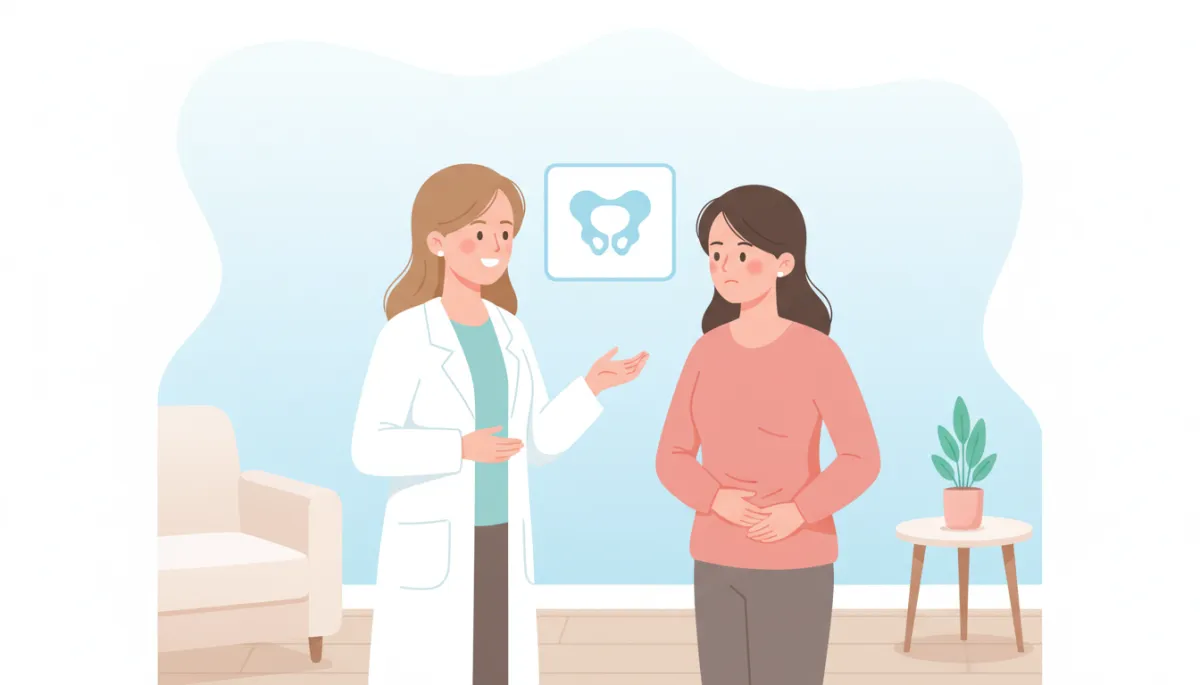
Primary Dysmenorrhea & Menstrual Cramps: Non-Surgical Options in Shelton, CT
Primary dysmenorrhea (painful menstrual cramps without another underlying gynecologic disease) is extremely common and can be surprisingly disruptive to everyday life.
For many women, pelvic and low back pain around their period can make it hard to walk comfortably, stand at work, sit through meetings or classes, drive, sleep through the night, exercise, or fully participate in family activities and social plans. It is also a frequent reason for missing work or school, which can add stress on top of the pain itself.
At Connecticut Disc and Laser Therapy Centers in Shelton, CT, we evaluate patients dealing with menstrual-related low back and pelvic pain, primary dysmenorrhea, and related conditions such as chronic low back pain, sciatica-type symptoms, and muscle tension in the hips and spine.
The good news?
Painful periods do not automatically mean you need surgery, injections, or long-term medication. For the right patient, advanced non-surgical treatment options may help reduce pain, improve mobility, calm irritated tissues, and support better function as part of a comprehensive care plan. Individual results vary, and a proper evaluation is always necessary to determine what is appropriate for your specific situation.
In this article, we’ll explain:
What primary dysmenorrhea is and how it affects daily life
Common symptoms and why they occur
Standard medical treatments and their limitations
How the spine, pelvis, and nerves can influence menstrual pain
How advanced non-surgical therapies may help support comfort and function
When to seek an evaluation in Shelton, CT
1. What Is Primary Dysmenorrhea?
Primary dysmenorrhea refers to menstrual cramps and pelvic pain that occur around the time of your period in the absence of another pelvic disease such as endometriosis, fibroids, or infection. It is very common, affecting an estimated 80% or more of women of childbearing age at some point in their lives.
The pain usually begins shortly before or at the start of menstrual bleeding and may last for 48–72 hours. For some, it is a dull ache. For others, it can be sharp, cramping, or throbbing, and may be intense enough to interfere with work, school, and normal daily activities.
2. Common Symptoms and How They Affect Daily Life
The most common symptom of primary dysmenorrhea is lower abdominal cramping that can radiate into the low back, hips, or down the front or back of the thighs. Many women also report a sense of deep pelvic pressure or “dragging” discomfort in the low back and pelvis.
Walking or standing for long periods may increase pelvic and low back discomfort.
Sitting at a desk, in class, or while driving can feel exhausting when cramps are severe.
Sleep may be interrupted by pain, leading to fatigue and difficulty concentrating the next day.
Exercise, sports, or gym workouts may be skipped due to fear of worsening cramps.
Family activities, social events, and travel plans may be limited during certain days of the month.
Other common symptoms may include tiredness, headache, nausea, diarrhea, or constipation. When symptoms repeat month after month, it is understandable to look for options beyond simply “pushing through it” or relying only on medication.
3. What Causes Menstrual Cramps and Pelvic Pain?
During menstruation, the uterus contracts to help shed its lining. These contractions are influenced by hormone-like chemicals called prostaglandins. Higher levels of certain prostaglandins are associated with stronger uterine contractions, reduced blood flow, and more intense pain signals from the pelvic region and lower back.
In addition, the muscles, ligaments, and joints around the pelvis and lumbar spine can become tight, irritated, or restricted. This may increase sensitivity in the low back and sacroiliac joints and may contribute to how strongly the nervous system “feels” menstrual pain. For some women, addressing these mechanical and neuromuscular factors may help support better comfort during their cycle.
4. Standard Medical Treatments and Their Limitations
Common medical treatments for primary dysmenorrhea include non-steroidal anti-inflammatory drugs (NSAIDs) such as ibuprofen or naproxen, and hormonal birth control methods such as oral contraceptive pills. These approaches often aim to reduce prostaglandin levels or modify the menstrual cycle itself to lessen cramping and bleeding.
While many patients do experience relief, some may have only partial improvement, may prefer to limit medication use, or may experience side effects. NSAIDs, for example, can be associated with stomach irritation or bleeding in some individuals. Hormonal options may be linked with issues such as bloating, fluid retention, or mood changes for certain patients. Because of this, many women are interested in additional non-surgical, non-drug approaches that may complement care recommended by their medical provider.
5. The Role of the Spine, Pelvis, and Nerves in Menstrual Pain
The lower spine, sacroiliac joints, and surrounding muscles form a key support system for the pelvis. When these structures are stiff, misaligned, or under chronic strain, they may contribute to low back pain, hip discomfort, and increased sensitivity in the area where menstrual cramps are felt.
Some research has suggested that manual therapies aimed at the lumbosacral region (around L5–S1 and the sacroiliac joints) may influence pain perception and muscle tension in patients with primary dysmenorrhea. While more studies are still needed and results vary, this is one reason why some women explore non-surgical spine and pelvic care as part of a broader strategy for managing menstrual-related discomfort.
6. Non-Surgical, Drug-Free Approaches: An Overview
At Connecticut Disc and Laser Therapy Centers, we focus on advanced, non-surgical therapies designed to help support the spine, nerves, muscles, and joints. For the right patient, these tools may be used alongside lifestyle strategies and medical care to create a more comprehensive plan for managing menstrual-related low back and pelvic pain.
Gentle spinal and pelvic care to improve motion and alignment when appropriate
Advanced therapies such as spinal decompression, laser therapy, and high-energy inductive therapy for select cases
Movement and posture recommendations to support the low back and hips
These approaches do not replace necessary gynecologic care. Instead, they may help address musculoskeletal and nerve-related contributors to pain for patients who are appropriate candidates after a thorough evaluation.
7. Chiropractic and Movement-Based Care for Menstrual-Related Back and Pelvic Pain
Chiropractic and other movement-based approaches focus on the joints, muscles, and nervous system. When appropriate, gentle adjustments or mobilization of the lumbar spine and pelvis may help improve joint motion, reduce mechanical stress, and support more balanced muscle activity around the low back and hips.
Some studies have reported that specific lumbosacral and pelvic techniques may be associated with reduced pain intensity and improved comfort in patients with dysmenorrhea. While not everyone responds the same way, these findings suggest that addressing the spine and pelvis may be a reasonable option to consider as part of a non-surgical plan for certain patients.
To learn more about how this type of care is used in our office, you can read about our approach to Chiropractic Care in Shelton, CT .
8. Spinal Decompression Therapy: Supporting the Low Back and Nerves
For patients who also have low back pain, disc-related issues, or nerve irritation in the lumbar spine, non-surgical spinal decompression may be considered when appropriate. This computerized table-based therapy is designed to gently stretch and relax the spine in a controlled way, aiming to reduce pressure on spinal discs and surrounding structures.
While spinal decompression is not a direct treatment for the uterus or hormones, it may help support the health of the lower spine and nerves in selected patients. For individuals whose menstrual cramps are made worse by an already irritated low back or sciatic-type symptoms, improving spinal comfort may be one piece of a broader plan.
You can learn more about this technology on our Spinal Decompression Therapy page.
9. MLS Laser Therapy: Calming Irritated Tissues When Appropriate
MLS Laser Therapy is an advanced light-based therapy used in our office for certain musculoskeletal and nerve-related conditions. It is designed to deliver specific wavelengths of light to targeted tissues, with the goal of supporting circulation, reducing local inflammation, and promoting a more favorable healing environment in the treated area.
For the right patient, MLS Laser Therapy applied to the lower back, hips, or surrounding musculature may help support reduced muscle tension and discomfort that can accompany menstrual-related pain. It is non-invasive and does not involve needles or surgery. Individual responses vary, and it is always used as part of a personalized plan after an evaluation.
To explore this option further, visit our MLS Laser Therapy page.
10. emField Pro High Energy Inductive Therapy: Advanced Neuromuscular Support
emField Pro High Energy Inductive Therapy uses a focused electromagnetic field to stimulate nerves and muscles in a non-invasive way. This technology is designed to help support neuromuscular activation, circulation, and tissue comfort in the targeted region. It is another tool that may be considered for appropriate patients with chronic low back, pelvic, or hip-related complaints.
While not a direct treatment for menstrual cramps themselves, supporting the health and function of the low back, gluteal muscles, and pelvic stabilizers may be helpful for some individuals who experience a spike in pain during their menstrual cycle. As always, individual results vary, and this therapy is not right for everyone.
You can learn more about this option on our emField Pro High Energy Inductive Therapy page.
11. When Menstrual Cramps Overlap with Back, Hip, or Sciatic-Type Pain
It is common for women with primary dysmenorrhea to also experience chronic low back pain, hip tightness, or radiating discomfort into the legs. In some cases, there may be an underlying disc, joint, or nerve issue that flares up more noticeably during the menstrual cycle, when tissues are already more sensitive.
At Connecticut Disc and Laser Therapy Centers, we regularly evaluate conditions such as chronic back pain, neck pain, and sciatica. For patients whose menstrual symptoms overlap with these issues, a combined approach that addresses both gynecologic and musculoskeletal factors may be helpful. You can read more about our spine-focused care on pages such as Back Pain Treatment in Shelton, CT and Sciatica Treatment in Shelton, CT .
12. What to Expect at an Evaluation in Shelton, CT
If you visit our office with concerns about menstrual-related low back or pelvic pain, we start by listening to your story. We will ask about your cycle, when the pain started, what makes it better or worse, and any previous testing or treatment you have had. We also review your general health, medications, and any other pain issues you may be experiencing.
A physical examination typically includes an assessment of your posture, range of motion, spinal alignment, muscle tone, and specific orthopedic and neurologic tests. If we suspect a condition that requires gynecologic or medical evaluation, we will recommend that you follow up with the appropriate provider. Our goal is to determine whether non-surgical spine and musculoskeletal care may be an appropriate part of your overall plan, and to coordinate care as needed.
13. Why Patients in Shelton Choose Connecticut Disc and Laser Therapy Centers
Many patients come to our office after trying rest, ice, heat, stretching, medication, massage, physical therapy, injections, generic exercises, or a “wait and see” approach, yet still feel limited by pain or stiffness. It can be frustrating when you feel like you are doing everything you are “supposed” to do, but month after month, the same symptoms keep returning.
At Connecticut Disc and Laser Therapy Centers in Shelton, CT, we focus on advanced non-surgical care for chronic pain, spine pain, joint pain, nerve irritation, muscle tightness, soft tissue irritation, arthritis-related stiffness, and other musculoskeletal conditions. For the right patient, this may include a combination of spinal decompression, MLS Laser Therapy, emField Pro High Energy Inductive Therapy, and chiropractic or movement-based care, always tailored to the individual and coordinated with their broader healthcare team when appropriate.
Our goal is to help patients reduce pain, improve mobility, and explore conservative treatment options whenever possible. Care is directed by Dr. James J. Dalfino , who has extensive experience in non-surgical spine and musculoskeletal care.
14. Related Articles and Pages
Bottom Line
Primary dysmenorrhea is common, but that does not mean you have to simply accept that painful periods will always control your schedule. For many women, menstrual cramps are influenced not only by hormones, but also by the health of the low back, pelvis, muscles, and nerves that support this region.
At Connecticut Disc and Laser Therapy Centers in Shelton, CT, we offer a range of advanced non-surgical options that may help support comfort and function for the right patient, especially when menstrual pain overlaps with chronic low back, hip, or sciatic-type symptoms. A thorough evaluation is the first step in determining whether therapies such as spinal decompression, MLS Laser Therapy, emField Pro High Energy Inductive Therapy, and chiropractic or movement-based care may be appropriate as part of your overall plan.
New Patient Special — $99
Comprehensive Consultation, Examination, Report of Findings, and First Treatment Included.
Connecticut Disc and Laser Therapy Centers
Dr. James J. Dalfino
2 Trap Falls Road | Suite 208 | Shelton, CT 06484
Office: 203-922-9277
Website: Connecticut Disc and Laser Therapy Centers
This article is for informational purposes only and is not intended as medical advice. Individual results vary. A proper evaluation is necessary to determine whether any treatment is appropriate for your condition.