
Chiropractic Care for Migraines
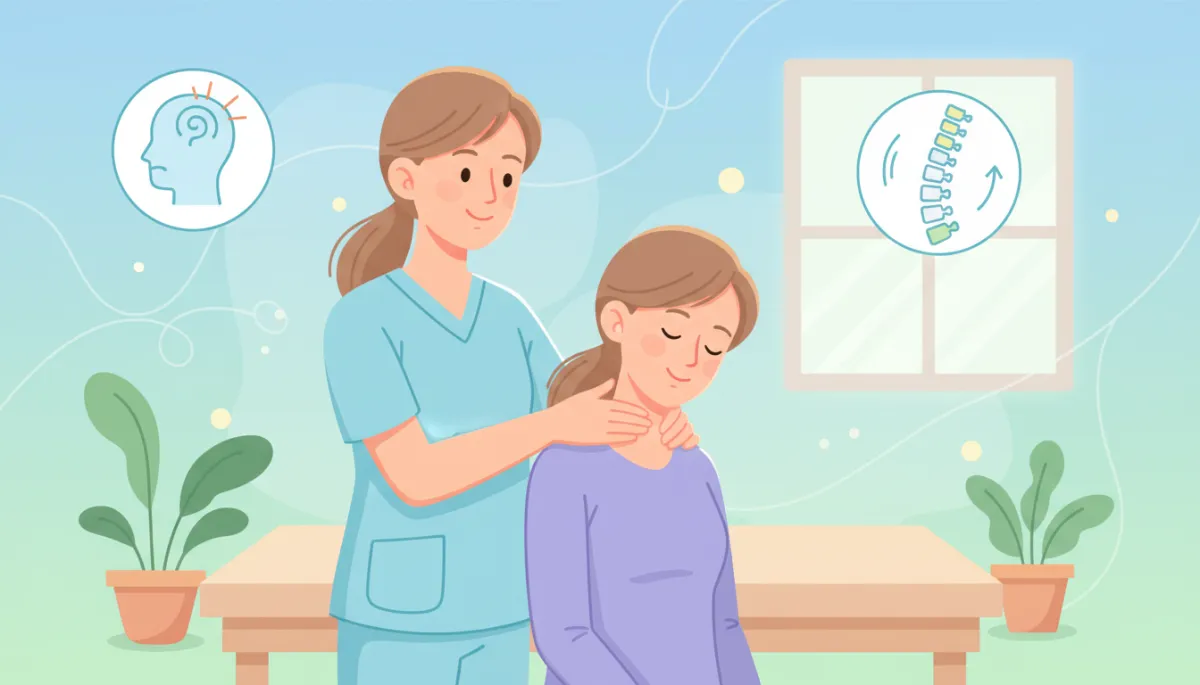
Migraine Headaches and Non-Surgical Care in Shelton, CT
Migraine headaches can make everyday life feel overwhelming. Throbbing head pain, sensitivity to light or sound, and nausea may make it difficult to work, drive, focus, or enjoy time with family and friends.
Many patients report that migraines interfere with simple daily activities like walking, standing, sitting at a desk, sleeping through the night, exercising, or even holding a conversation in a bright room or noisy environment. Over time, this can affect mood, productivity, and quality of life at home and at work.
At Connecticut Disc and Laser Therapy Centers in Shelton, CT, we evaluate patients dealing with migraine headaches, neck pain, tension-type headaches, cervicogenic (neck-related) headaches, and other spine-related pain and nerve irritation symptoms that may contribute to head pain patterns.
The good news? Migraine headaches do not automatically mean you need surgery, injections, or long-term medication in every case. For the right patient, advanced non-surgical treatment options may help reduce pain, improve mobility, calm irritated tissues, and support better function as part of a comprehensive care plan supervised by your healthcare providers.
In this article, we’ll explain:
How migraines can affect daily life
The connection between the neck and migraine headaches
What research says about hands-on and movement-based care for migraines
How advanced non-surgical therapies may help support migraine management
What to expect at Connecticut Disc and Laser Therapy Centers in Shelton, CT
1. How Migraines Impact Daily Life
Migraine headaches are more than “just a bad headache.” They may come with pulsing or throbbing pain, visual changes, sensitivity to light or sound, and sometimes nausea or dizziness. These symptoms may make it hard to stand at work, sit at a computer, drive safely, or keep up with household tasks and family activities.
Many patients find themselves avoiding exercise, social events, or even simple errands because they are worried a migraine might start or get worse. Sleep may also suffer, which can create a cycle of fatigue and increased pain sensitivity over time.
2. The Neck–Migraine Connection
Migraines are complex and may involve the brain, blood vessels, nerves, hormones, and environmental triggers. While migraines are not always caused directly by neck problems, research suggests that the cervical spine (neck) may play a role in the migraine process for some patients.
The upper neck contains joints, muscles, discs, and nerves that share pathways with areas involved in head pain. Irritation or dysfunction in these structures may contribute to headache patterns, including migraines, in certain individuals. This is one reason why neck pain and migraines often show up together.
3. What Research Tells Us About the Cervical Spine and Migraines
Several studies have looked at the relationship between neck function and migraines. In one 2019 study published in the European Spine Journal, researchers examined the necks of female migraine patients and compared them to women without a history of neck pain or headaches. The migraine group was significantly more likely to show signs of cervical dysfunction, such as reduced mobility or altered muscle control.
Another 2019 study in the journal Cephalalgia reported that migraine patients who also had neck pain tended to experience more migraine-related disability than those without neck pain. Other research has found that people with migraines are more likely to have trigger points or tender spots in the cervical muscles, which may contribute to pain referral into the head and face.
4. Hands-On and Movement-Based Care for Migraine Support
While every patient is different, some individuals with migraines may benefit when neck and upper back function are carefully evaluated and addressed as part of a broader care plan. Studies reviewing spinal manipulative therapy (SMT) have suggested that, for selected patients, this type of care may help reduce the number of migraine days and the intensity of migraine pain when used appropriately and under professional guidance.
At our office, hands-on and movement-based care is tailored to the individual. Techniques are selected based on a thorough examination, your comfort level, and coordination with your other healthcare providers when needed. The goal is not to “cure” migraines, but to support better joint motion, muscle balance, and nerve function that may contribute to overall symptom management for the right patient.
5. Chiropractic Care and Neck Function in Migraine Patients
Chiropractic care focuses on the spine, joints, muscles, and nervous system. For some migraine patients, especially those with coexisting neck pain, stiffness, or cervicogenic headaches, gentle chiropractic approaches may be considered as part of a non-surgical plan of care.
When appropriate, chiropractic methods may include spinal adjustments, mobilization, soft tissue techniques, and specific exercises designed to improve cervical motion and support better posture. At Connecticut Disc and Laser Therapy Centers, these strategies are used thoughtfully and may complement other options like Chiropractic Care in Shelton, CT, depending on your evaluation and goals.
6. Spinal Decompression Therapy and the Upper Spine
Spinal decompression therapy is a non-surgical treatment that uses a specialized table to gently stretch and relax the spine in controlled cycles. It is most commonly used for conditions like disc-related low back pain, neck pain, and certain types of nerve irritation or radiating pain patterns.
For patients with migraines who also have disc issues, neck pain, or upper back tension, spinal decompression may be considered when appropriate as part of a broader strategy to address spinal mechanics and nerve irritation. While decompression is not a direct “migraine treatment,” improving spinal alignment and disc pressure in the neck region may help support overall comfort and function for some individuals. You can learn more about this option on our Spinal Decompression Therapy page.
7. MLS Laser Therapy for Pain and Tissue Irritation
MLS Laser Therapy is an advanced, non-invasive light-based therapy designed to help support tissue healing, circulation, and pain reduction in targeted areas. It is often used for joint pain, soft tissue irritation, and nerve-related symptoms in the spine and extremities.
For certain migraine patients who also have neck pain, muscle tightness, or joint irritation in the cervical region, MLS Laser Therapy may be considered as part of a non-surgical plan to calm irritated tissues and support more comfortable movement. Individual results vary, and this therapy is recommended only after a proper evaluation. For more information, visit our MLS Laser Therapy page.
8. emField Pro High Energy Inductive Therapy and Muscle Tension
emField Pro High Energy Inductive Therapy uses high-intensity electromagnetic fields to stimulate nerves and muscles in targeted regions. It is a non-invasive option that may help support improved muscle function, reduced tension, and enhanced circulation when used appropriately.
In patients with migraines who also struggle with tight neck and shoulder muscles, this therapy may be considered as part of a comprehensive plan to address muscle imbalances and postural strain that may contribute to head and neck discomfort. To learn more about how this technology is used in our office, visit our emField Pro High Energy Inductive Therapy page.
9. Neck, Back, and Nerve-Related Pain Often Seen with Migraines
Many migraine patients also deal with chronic neck pain, upper back pain, or radiating nerve symptoms. These may include stiffness when turning the head, aching between the shoulder blades, or numbness and tingling down the arms. In some cases, lower back or leg symptoms like sciatica may also be present, adding to overall stress on the body.
At Connecticut Disc and Laser Therapy Centers, we routinely evaluate and treat spine-related conditions such as neck and back pain, disc issues, and nerve irritation. If you are experiencing these problems along with migraines, you may also be interested in our pages on Neck Pain Treatment in Shelton, CT, Back Pain Treatment in Shelton, CT, and Sciatica Treatment in Shelton, CT.
10. What to Expect at Your Migraine-Focused Evaluation
When a migraine patient visits Connecticut Disc and Laser Therapy Centers, the first step is a detailed consultation and examination. We discuss your migraine history, triggers, frequency, duration, associated symptoms, and any prior imaging or testing you may have had. We also review your medical history and current medications to coordinate care with your other providers when appropriate.
A physical examination typically includes assessment of neck and upper back motion, joint “play” or restriction, muscle tenderness, posture, and movement patterns. We may use static and motion palpation to identify areas of joint stiffness, muscle guarding, or trigger points that could be contributing to your symptoms. If needed, we will recommend additional imaging or referrals to other specialists for a more complete picture of your condition.
11. How Your Individualized Non-Surgical Plan Is Designed
Based on your evaluation, we design a personalized, non-surgical treatment plan that may include a combination of gentle spinal care, targeted exercises, posture and movement coaching, and advanced technologies such as spinal decompression, MLS Laser Therapy, and emField Pro High Energy Inductive Therapy when appropriate for your condition.
Nutritional and lifestyle recommendations may also be discussed, especially if certain foods, sleep habits, stress levels, or work positions appear to be migraine triggers. Our approach is to work with you to create a realistic plan that fits your daily life and supports your long-term goals, understanding that individual results vary and that migraine management is often an ongoing process rather than a one-time fix.
12. Why Patients in Shelton Choose Connecticut Disc and Laser Therapy Centers
Many patients come to our office after trying rest, ice, heat, stretching, medication, massage, physical therapy, injections, generic exercises, or a “wait and see” approach. They are often looking for a focused, non-surgical plan that addresses the spine, nerves, muscles, and joints together rather than in isolation.
At Connecticut Disc and Laser Therapy Centers in Shelton, CT, we concentrate on advanced non-surgical care for chronic pain, spine pain, joint pain, nerve irritation, muscle tightness, soft tissue irritation, arthritis-related stiffness, and a wide range of musculoskeletal conditions. Migraine and headache patients often appreciate this whole-spine, whole-body perspective, especially when neck and back issues are part of their picture.
Our goal is to help patients reduce pain, improve mobility, and explore conservative treatment options whenever possible. Care is directed by Dr. James J. Dalfino, who has extensive experience in non-surgical spine and joint care and is committed to patient education, clear communication, and individualized treatment planning.
13. Related Articles and Pages
14. Bottom Line
Migraine headaches are complex and can significantly affect daily life, from work and driving to sleep and family activities. For some patients, neck and upper back problems may be part of the overall picture, especially when neck pain, stiffness, or posture issues are present alongside head pain.
While no single approach works for everyone, advanced non-surgical options such as chiropractic and movement-based care, spinal decompression therapy, MLS Laser Therapy, and emField Pro High Energy Inductive Therapy may help support migraine management for the right patient when integrated into a thoughtful, individualized plan. A proper evaluation is the first step in determining which options make sense for your specific situation.
New Patient Special — $99
Comprehensive Consultation, Examination, Report of Findings, and First Treatment Included.
Connecticut Disc and Laser Therapy Centers
Dr. James J. Dalfino
2 Trap Falls Road | Suite 208 | Shelton, CT 06484
Office: 203-922-9277
Website: Connecticut Disc and Laser Therapy Centers
This article is for informational purposes only and is not intended as medical advice. Individual results vary. A proper evaluation is necessary to determine whether any treatment is appropriate for your condition.