
Diabetes Prevention and Control
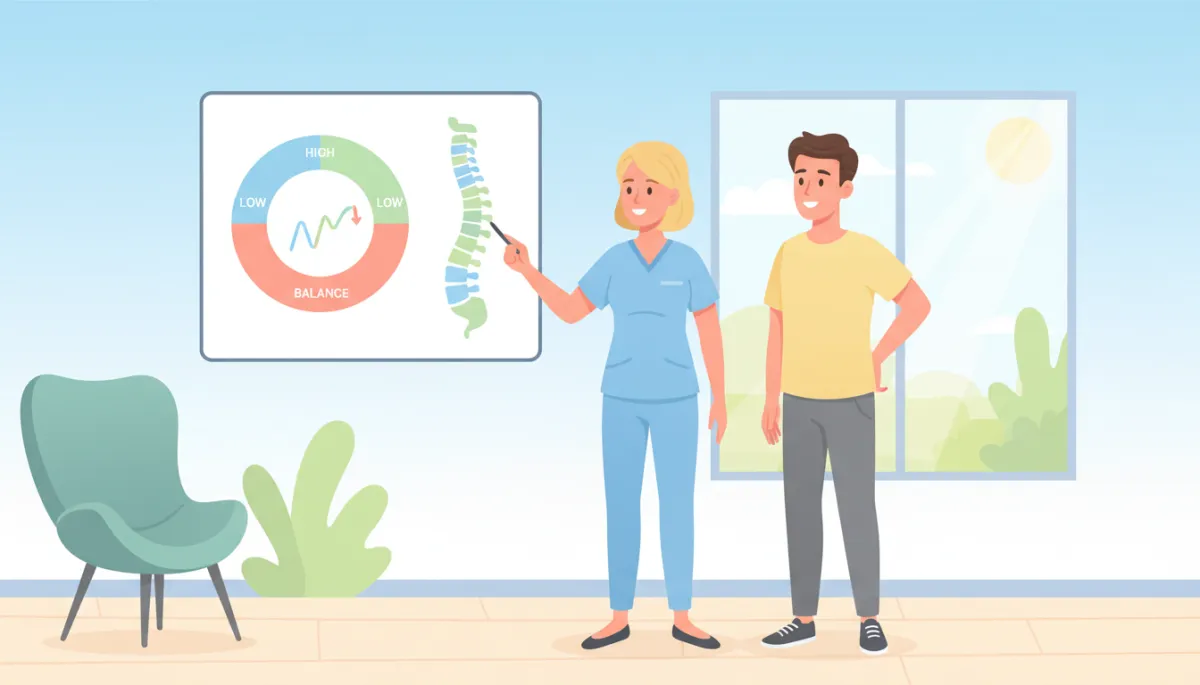
Diabetes, Nerve Pain, and Non-Surgical Relief Options in Shelton, CT
Living with diabetes can affect much more than your blood sugar numbers. Many people also struggle with nerve pain, joint stiffness, muscle tightness, and trouble walking, standing, or sleeping comfortably.
Diabetic nerve and joint problems may make it hard to work, drive, exercise, or enjoy time with family. Simple activities like getting out of a chair, climbing stairs, or carrying groceries can become painful and exhausting.
At Connecticut Disc and Laser Therapy Centers in Shelton, CT, we evaluate patients dealing with diabetes-related nerve irritation, joint pain, muscle tightness, and other neuromusculoskeletal conditions that may be affecting daily life.
The good news?
Diabetes and related musculoskeletal problems do not automatically mean you need surgery, injections, or long-term increases in pain medication. For the right patient, advanced non-surgical treatment options may help reduce pain, improve mobility, calm irritated tissues, and support better function as part of a comprehensive care plan managed by your medical team.
In this article, we’ll explain:
How diabetes can affect your nerves, muscles, joints, and daily activities
Common pain and mobility problems linked to diabetes
When it makes sense to be evaluated for diabetes-related nerve or joint issues
How advanced non-surgical options may help support pain relief and function
The role of spinal decompression, laser therapy, and inductive therapy
How chiropractic and movement-based care may support better mobility
Why patients in Shelton choose Connecticut Disc and Laser Therapy Centers
1. Diabetes and Your Neuromusculoskeletal System
Diabetes is commonly thought of as a blood sugar condition. However, it can also affect the nerves, muscles, bones, and joints, which together are called the neuromusculoskeletal system.
When blood sugar is not well controlled over time, it may contribute to nerve irritation, circulation changes, and tissue stress. This can lead to burning, tingling, numbness, weakness, stiffness, and pain in different parts of the body, especially the hands, feet, legs, and spine.
A proper evaluation is important to help determine which symptoms are related to diabetes, which are related to the spine or joints, and which may be coming from other causes.
2. How Common Is Diabetes and Why Does It Matter for Pain?
Millions of Americans live with diabetes, and many also deal with chronic pain, stiffness, and mobility problems. As the number of people with diabetes continues to rise, so does the number of patients experiencing diabetes-related nerve and joint complaints.
Some individuals do not realize that their numbness, burning, or “pins and needles” sensations may be related to blood sugar issues. Others already have a diabetes diagnosis but are unsure which non-surgical options may help with their pain and function.
The earlier nerve and joint problems are identified and addressed, the better the chances of protecting mobility and quality of life.
3. Common Diabetes-Related Symptoms That May Overlap with Spine and Joint Problems
Many people with diabetes develop symptoms that look very similar to typical spine, nerve, or joint issues. This is one reason a careful evaluation is so important before starting any treatment plan.
Numbness, tingling, or burning in the hands or feet (often called diabetic neuropathy)
Sharp, shooting, or electric-like pain in the legs or arms
Stiff hands, limited joint motion, or difficulty gripping objects
Shoulder pain or “frozen shoulder” (shoulder capsulitis)
Muscle aches, tendonitis, or joint pain in the knees, hips, or spine
Carpal tunnel–type symptoms, such as numbness or weakness in the hands
These problems can make it difficult to type, lift, walk, or sleep without discomfort. They may also be related to other conditions such as disc problems, arthritis, or nerve compression, which can be evaluated with appropriate testing.
4. The Role of Proper Diagnosis and Medical Co-Management
If you have not been diagnosed with diabetes but are experiencing unexplained numbness, tingling, burning, or frequent urination and fatigue, it is important to speak with your primary care provider or endocrinologist. Blood and urine tests can help identify blood sugar issues, cholesterol concerns, and other risk factors.
At our office, we do not diagnose or manage diabetes medications. Instead, we focus on the neuromusculoskeletal side of your health—your spine, nerves, muscles, and joints—while encouraging you to keep working closely with your medical team for overall diabetes management.
Non-surgical pain relief is most effective when combined with appropriate blood sugar control, lifestyle changes, and guidance from your medical providers.
5. How Advanced Non-Surgical Care May Help Support Diabetic Nerve and Joint Pain
While diabetes itself is managed medically, many of the related pain and mobility problems involve irritated nerves, stiff joints, and overworked muscles. For the right patient, advanced non-surgical therapies may help support:
Reduced nerve irritation and muscle tension
Improved joint mobility and flexibility for walking, standing, and lifting
Better tolerance for daily activities such as work, exercise, and family time
Calmer, less inflamed soft tissues around irritated nerves and joints
Individual results vary, and not every therapy is right for every patient. That is why we begin with a thorough consultation and examination to understand your health history, diabetes status, and specific pain complaints.
6. Spinal Decompression Therapy for Nerve-Related Back and Leg Pain
Some people with diabetes also have disc bulges, herniations, or spinal degeneration that contribute to nerve compression and sciatica-like symptoms. In these cases, Spinal Decompression Therapy may be considered as part of a non-surgical treatment plan when appropriate.
Spinal decompression uses a specialized table to gently stretch the spine in a controlled way. For the right patient, this may help:
Reduce pressure on irritated spinal nerves
Improve disc hydration and joint spacing in targeted areas
Support more comfortable sitting, standing, and walking
Spinal decompression is non-surgical and is tailored to the individual. A proper evaluation is necessary to determine whether this approach is safe and appropriate for a patient with diabetes and other health conditions.
7. MLS Laser Therapy to Help Calm Irritated Tissues
MLS Laser Therapy is a non-invasive light-based therapy used to help support tissue healing and reduce inflammation in many musculoskeletal conditions. For some patients with diabetes-related joint or soft tissue pain, this technology may be used as part of a broader care plan.
When appropriate, MLS Laser Therapy may help:
Decrease local inflammation around irritated joints and nerves
Support circulation in targeted areas
Promote a calmer, less painful environment for movement and exercise
Individual responses to laser therapy vary. During your consultation, we will review your health history, medications, and any concerns related to diabetes before recommending this or any other therapy.
8. emField Pro High Energy Inductive Therapy for Muscles and Nerves
emField Pro High Energy Inductive Therapy is another non-surgical option that uses high-intensity electromagnetic fields to stimulate nerves and muscles in a targeted region. For certain patients, this may help support muscle relaxation, circulation, and neuromuscular function.
When appropriate and medically cleared, this therapy may be considered for:
Muscle tightness and spasms that make walking or standing uncomfortable
Nerve-related symptoms in the legs, arms, or back that have a musculoskeletal component
Supporting rehabilitation exercises by easing muscle tension
As with all advanced therapies, safety and appropriateness are evaluated on a case-by-case basis, especially for patients with diabetes, implanted devices, or other medical conditions.
9. Chiropractic Care and Movement-Based Support in Shelton, CT
Gentle, movement-based care may help many patients with spine and joint problems move more comfortably. At our office, Chiropractic Care in Shelton, CT is focused on improving joint motion, reducing mechanical stress, and supporting better posture and alignment when appropriate.
For patients with diabetes, chiropractic and movement-based care may help:
Improve comfort with walking, bending, and lifting
Reduce stiffness in the spine, hips, knees, and shoulders
Support safer participation in exercise programs recommended by your medical team
Techniques are always customized to the individual. We take into account your age, bone density, joint health, and overall medical history, including diabetes and any related complications.
10. Related Spine and Joint Conditions We Commonly See with Diabetes
Many patients with diabetes also experience spine and joint problems that are common in the general population. These may include chronic back pain, neck pain, sciatica, and knee pain, which can be evaluated and addressed with non-surgical options when appropriate.
Back Pain Treatment in Shelton, CT for disc issues, arthritis, and muscle strain
Neck Pain Treatment in Shelton, CT for stiffness, headaches, and radiating arm symptoms
Sciatica Treatment in Shelton, CT for leg pain and nerve irritation
Knee Pain Treatment in Shelton, CT for arthritis-related stiffness and overuse injuries
Addressing these conditions can make it easier to stay active, follow exercise recommendations, and maintain a healthier lifestyle, which is especially important when living with diabetes.
11. Lifestyle, Nutrition, and Working with Your Medical Team
Blood sugar control, medication, and nutrition are managed by your medical providers. At our office, we emphasize that any non-surgical pain relief plan should complement—not replace—your primary diabetes care plan.
Many patients benefit from a combination of medical management, appropriate nutrition guidance, gentle movement, and targeted therapies for the spine, nerves, and joints. We can coordinate with your other providers when needed to help keep your care as safe and effective as possible.
Always speak with your primary care provider or endocrinologist before making any major changes to your medications, diet, or exercise routine.
12. What to Expect at Your First Visit in Shelton, CT
During your first visit, we take time to listen to your health story. We will ask about your diabetes history, medications, past injuries, and current symptoms, including where you hurt, what makes it worse, and what you have already tried.
A detailed examination may include orthopedic, neurologic, and movement testing. If needed, we may review prior imaging or recommend additional studies through your medical providers. Once we have a clear picture of your situation, we will discuss whether advanced non-surgical care at our office may be appropriate and what a customized plan could look like.
13. Why Patients in Shelton Choose Connecticut Disc and Laser Therapy Centers
Many patients come to our office after trying rest, ice, heat, stretching, medication, massage, physical therapy, injections, generic exercises, or a “wait and see” approach. Some still struggle with nerve irritation, stiffness, or pain that interferes with work, sleep, and daily life—especially when diabetes is also part of the picture.
At Connecticut Disc and Laser Therapy Centers in Shelton, CT, we focus on advanced non-surgical care for chronic pain, spine pain, joint pain, nerve irritation, muscle tightness, soft tissue irritation, arthritis-related stiffness, and other musculoskeletal conditions. Our goal is to help patients reduce pain, improve mobility, and explore conservative treatment options whenever possible.
Care is directed by Dr. James J. Dalfino, who is committed to providing thorough evaluations and individualized treatment plans. We take into account your full health picture, including diabetes and any other medical conditions, before recommending care.
14. Related Articles and Pages
Bottom Line
Diabetes can affect much more than your blood sugar. It may also contribute to nerve irritation, joint stiffness, muscle tightness, and pain that interfere with walking, working, exercising, and enjoying time with family and friends.
For the right patient, advanced non-surgical options—such as spinal decompression, MLS Laser Therapy, emField Pro High Energy Inductive Therapy, and chiropractic or movement-based care—may help support reduced pain, improved mobility, and better function as part of a comprehensive plan guided by your medical team. A proper evaluation is the first step to finding out which options may be appropriate for your specific situation.
New Patient Special — $99
Comprehensive Consultation, Examination, Report of Findings, and First Treatment Included.
Connecticut Disc and Laser Therapy Centers
Dr. James J. Dalfino
2 Trap Falls Road | Suite 208 | Shelton, CT 06484
Office: 203-922-9277
Website: Connecticut Disc and Laser Therapy Centers
This article is for informational purposes only and is not intended as medical advice. Individual results vary. A proper evaluation is necessary to determine whether any treatment is appropriate for your condition.


