Carpal Tunnel Syndrome: Symptoms, Causes, and Non-Surgical Laser Therapy in Shelton, CT
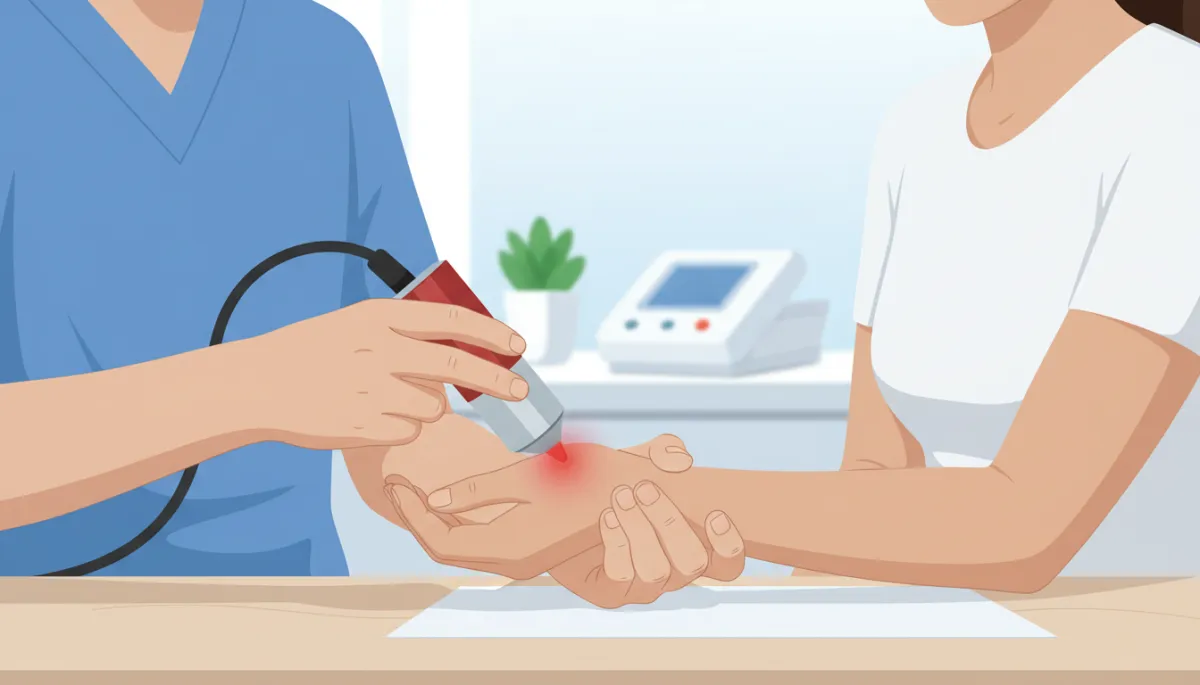
If your hand keeps going numb while driving, typing, sleeping, or holding your phone…there’s a good chance you may be dealing with Carpal Tunnel Syndrome.
Many people ignore the symptoms at first:
tingling in the fingers
burning in the wrist
weakness when gripping objects
waking up at night shaking the hand out
dropping things unexpectedly
But over time, Carpal Tunnel Syndrome can become increasingly frustrating and disruptive — especially when it starts interfering with work, sleep, exercise, and daily activities.
At Connecticut Disc and Laser Therapy Centers in Shelton, CT, we help patients explore advanced non-surgical treatment options for chronic wrist and nerve pain, including MLS Laser Therapy and other conservative therapies designed to reduce inflammation and improve function without surgery.
In this article, we’ll explain:
what Carpal Tunnel Syndrome actually is
common causes and symptoms
when symptoms become more serious
conservative treatment options
how advanced laser therapy may help relieve pain naturally
1. What Is Carpal Tunnel Syndrome?
Carpal Tunnel Syndrome occurs when the median nerve becomes compressed as it passes through the wrist.
The median nerve travels from the forearm into the hand through a narrow passageway called the carpal tunnel.
This nerve controls:
sensation in the thumb, index finger, middle finger, and part of the ring finger
fine motor control in portions of the hand and thumb
When the tunnel becomes irritated, inflamed, or narrowed, pressure builds around the nerve.
That pressure can create:
numbness
tingling
burning
weakness
wrist pain
forearm discomfort
“pins and needles” sensations
For some people, symptoms are mild and occasional.
For others, symptoms gradually become constant and begin interfering with everyday life.
2. Common Symptoms of Carpal Tunnel Syndrome
One of the most common early signs is:
waking up at night with numb hands.
Many patients also notice:
hand weakness
difficulty gripping objects
pain while driving
discomfort using a keyboard or mouse
symptoms while holding a phone
tingling into the fingers
aching into the forearm
Symptoms often affect:
the thumb
index finger
middle finger
part of the ring finger
The little finger is usually NOT affected, which helps differentiate Carpal Tunnel Syndrome from some other nerve conditions.
As the condition worsens, patients may notice:
dropping objects more frequently
decreased grip strength
difficulty opening jars
hand fatigue during repetitive activity
📌Key Takeaway:Carpal Tunnel symptoms often start gradually. Ignoring early numbness or tingling can eventually lead to worsening nerve irritation and weakness.
3. What Causes Carpal Tunnel Syndrome?
There isn’t always one single cause.
In many cases, Carpal Tunnel develops from a combination of:
repetitive wrist motion
inflammation
muscle tightness
posture issues
workplace strain
nerve irritation
underlying medical conditions
Repetitive Motion and Work Activities
Typing, mouse use, gripping tools, assembly work, and repetitive hand activity can place stress on the wrist and surrounding tissues.
We commonly see symptoms in people who:
work at computers all day
use vibrating tools
perform repetitive hand movements
drive frequently
work in trades or manufacturing
Inflammation and Swelling
Inflammation inside the carpal tunnel can narrow the space around the median nerve.
This may occur from:
arthritis
tendon irritation
hormonal changes
fluid retention
pregnancy
diabetes
thyroid disorders
Structural Factors
Some people naturally have narrower carpal tunnels, making them more prone to nerve compression over time.
Previous wrist injuries or fractures may also contribute.
4. Why Many People Delay Treatment
A lot of patients try to “push through it.”
At first, symptoms may come and go.
Patients often:
shake the hand out
wear a brace occasionally
take pain medication
stretch the wrist
ignore nighttime numbness
The problem?
The underlying nerve irritation often continues progressing.
One of the biggest mistakes we see is waiting until:
grip strength declines
numbness becomes constant
daily function becomes difficult
The earlier nerve irritation is addressed, the better the chance of avoiding more invasive treatment later.
5. Conservative Treatment Options for Carpal Tunnel Syndrome
Depending on the severity of the condition, conservative treatment may help reduce inflammation and improve nerve function without surgery.
Wrist Splinting
Night splints may help keep the wrist in a more neutral position while sleeping.
This sometimes reduces nighttime numbness and irritation.
Activity Modification
Improving:
workstation setup
keyboard positioning
mouse usage
posture
repetitive motion habits
can reduce stress on the wrist and forearm.
Stretching and Mobility Work
Certain mobility and nerve-gliding exercises may help improve movement and reduce tension surrounding the nerve.
However, generic internet exercises are not always appropriate for every patient.
Anti-Inflammatory Approaches
Reducing inflammation is often an important part of treatment.
This may involve:
ice
ergonomic changes
conservative therapies
laser therapy
movement modification
⚠️Important:Temporary symptom relief does not always mean the underlying nerve compression has resolved.
6. MLS Laser Therapy for Carpal Tunnel Syndrome
At Connecticut Disc and Laser Therapy Centers, we utilize advanced MLS Laser Therapy as part of our conservative treatment approach for many chronic pain conditions.
MLS Laser Therapy uses specific wavelengths of light designed to penetrate deeper tissues and support healing at the cellular level.
The goal is to help:
reduce inflammation
improve circulation
decrease nerve irritation
support tissue recovery
reduce pain naturally
Patients commonly choose laser therapy because it is:
non-surgical
non-invasive
comfortable
drug-free
quick
requires no downtime
For many patients, this approach feels far less intimidating than injections or surgery.
📌Key Takeaway:Laser therapy focuses on reducing inflammation and supporting healing — not simply masking symptoms temporarily.
7. Why Patients Seek Non-Surgical Treatment First
Many patients are understandably hesitant about surgery.
Concerns often include:
recovery time
missed work
scar tissue
post-surgical pain
complications
uncertain outcomes
While surgery may be appropriate in some severe cases, many patients prefer exploring conservative options first whenever possible.
That’s why advanced non-surgical treatment continues gaining popularity among patients dealing with chronic wrist and nerve pain.
8. Lifestyle Changes That May Help Reduce Symptoms
Certain lifestyle habits can also help reduce stress on the wrist and forearm.
Improve Ergonomics
Poor wrist positioning during typing and mouse use is extremely common.
Small workstation changes can make a meaningful difference over time.
Reduce Repetitive Strain
Frequent breaks during repetitive activity may help reduce irritation.
Improve Overall Inflammation
Hydration, sleep quality, movement, and stress management all affect inflammation levels throughout the body.
Avoid Ignoring Progressive Symptoms
Persistent numbness, weakness, or nighttime symptoms should not simply be brushed off for months or years.
9. When to See a Doctor for Carpal Tunnel Symptoms
You should seek professional evaluation if you experience:
worsening numbness
hand weakness
loss of grip strength
symptoms waking you at night
persistent tingling
symptoms interfering with work or daily activities
Early treatment may help prevent more significant nerve irritation later on.
Why Patients in Shelton Choose Connecticut Disc and Laser Therapy Centers
Patients looking for conservative care often want more than:
temporary medication relief
generic stretches
endless braces
“wait and see”
At Connecticut Disc and Laser Therapy Centers, our focus is identifying the underlying source of pain and utilizing advanced non-surgical therapies designed to improve function and quality of life.
That may include:
MLS Laser Therapy
conservative spine and joint care
movement-focused treatment
inflammation reduction strategies
personalized recommendations
Our goal is simple:
help patients move better, feel better, and avoid unnecessary procedures whenever possible.
Bottom Line
Carpal Tunnel Syndrome can become progressively more frustrating when ignored.
What starts as occasional tingling or nighttime numbness can eventually interfere with:
work
sleep
exercise
grip strength
daily activities
The good news:
many patients can improve with the right conservative treatment approach before surgery becomes necessary.
If you are struggling with numbness, tingling, wrist pain, or hand weakness, it may be time for a professional evaluation.
New Patient Special — $99
Comprehensive Consultation, Examination, Report of Findings, and First Treatment Included.
Connecticut Disc and Laser Therapy Centers
Dr. James J. Dalfino
2 Trap Falls Road | Suite 208 | Shelton, CT 06484
Office: 203-922-9277
Website: Connecticut Disc and Laser Therapy Centers


