Advanced Non-Surgical Pain Treatment in Shelton, CT
At Connecticut Disc and Laser Therapy Centers, Dr. James Dalfino uses advanced non-surgical technology to help patients with stubborn pain explore options before surgery.
Pain Relief, The New-Fashioned Way.
Advanced non-surgical technology. Personalized care. No surgery-first mindset.
ADVANCED NON-SURGICAL TECHNOLOGY
State-of-the-art, non-invasive treatments with no downtime.
PERSONALIZED TREATMENT PLANS
Care tailored to your condition, goals, and recovery timeline.
FASTER PATH BACK TO DAILY LIFE
Treatment options designed to help patients move and feel better sooner.
ADVANCED NON-SURGICAL TECHNOLOGY
State-of-the-art, non-invasive treatments with no downtime.
PERSONALIZED TREATMENT PLANS
Care tailored to your condition, goals, and recovery timeline.
FASTER PATH BACK TO DAILY LIFE
Treatment options designed to help patients move and feel better sooner.
Trusted by Connecticut Patients Since 2003
Dr. James J. Dalfino has 25+ Years of Experience And Over 150+ 5-Star Reviews



State of the art equipment.
Delivering High Quality Concierge Healthcare for 25 years.
Better. Faster. Gentler.
WHAT
WE TREAT.
BACK PAIN
Pain when sitting, standing, bending, or getting out of bed? Explore non-surgical options for chronic back, disc, and nerve pain.
NECK PAIN
Pain when turning your head, sitting at a desk, driving, or sleeping?
Explore non-surgical options for chronic neck, disc, and nerve pain.
KNEE PAIN
Pain with walking, stairs, bending, squatting, or getting out of a chair?
Explore non-surgical options for chronic knee pain and mobility issues.
HIP PAIN
Pain when walking, standing, bending, sleeping, or getting out of a chair?
Explore non-surgical options for chronic hip, joint, and soft tissue pain.
BACK PAIN
Pain when sitting, standing, bending, or getting out of bed? Explore non-surgical options for chronic back, disc, and nerve pain.
NECK PAIN
Pain when turning your head, sitting at a desk, driving, or sleeping?
Explore non-surgical options for chronic neck, disc, and nerve pain.
KNEE PAIN
Pain with walking, stairs, bending, squatting, or getting out of a chair?
Explore non-surgical options for chronic knee pain and mobility issues.
HIP PAIN
Pain when walking, standing, bending, sleeping, or getting out of a chair?
Explore non-surgical options for chronic hip, joint, and soft tissue pain.
BACK PAIN
Pain when sitting, standing, bending, or getting out of bed? Explore non-surgical options for chronic back, disc, and nerve pain.
WRIST PAIN
Care for carpal tunnel numbness, tingling, and wrist pain affecting daily life.
FOOT PAIN
Heel pain with your first steps in the morning? We treat stubborn plantar fasciitis without surgery or downtime.
WRIST PAIN
Care for carpal tunnel numbness, tingling, and wrist pain affecting daily life.
FOOT PAIN
Heel pain with your first steps in the morning? We treat stubborn plantar fasciitis without surgery or downtime.
MEET
OUR TEAM.

DR. JAMES J. DALFINO
PRESIDENT | CLINIC DIRECTOR
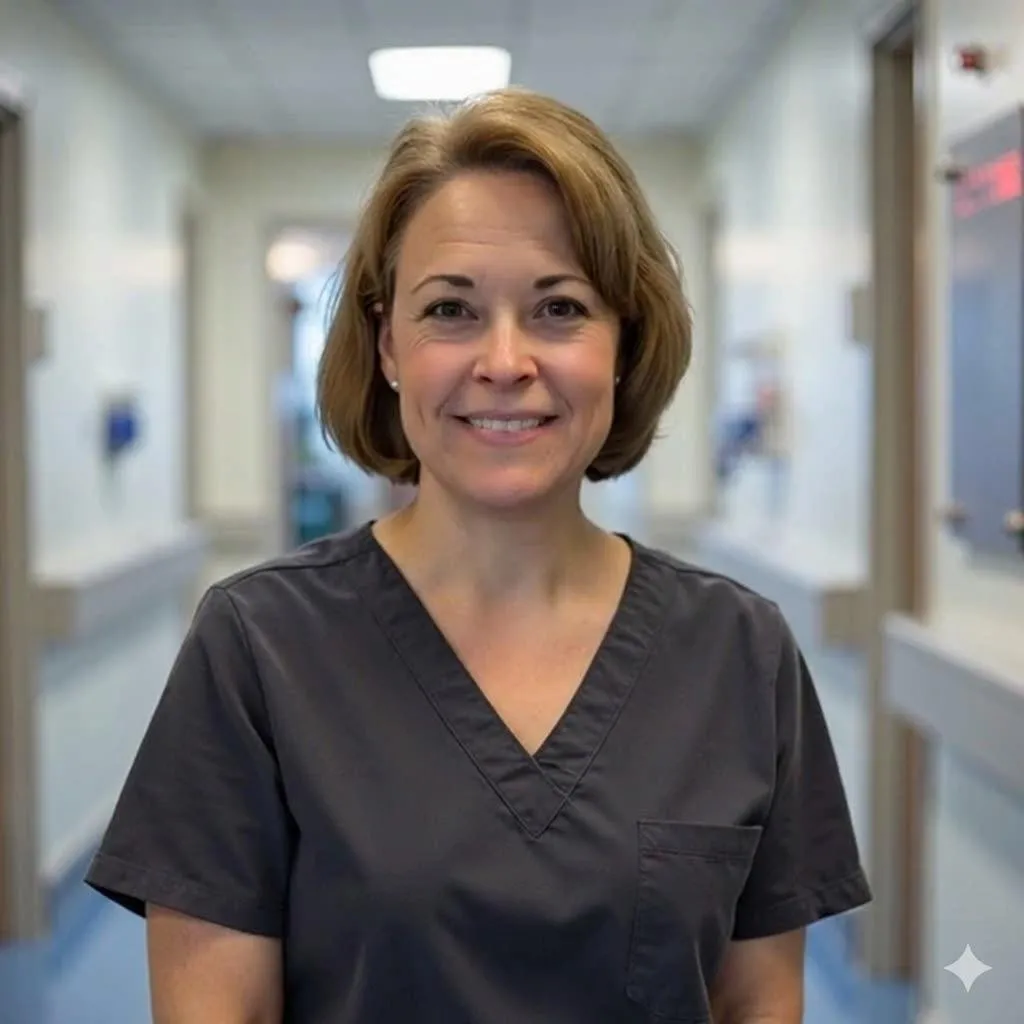
SUZANNE D.
VICE PRESIDENT | OFFICE STAFF

MEET DR. JAMES J. DALFINO
Dr. James J. Dalfino has been in private practice for over 25 years, but his mission has always been different from a typical chiropractic clinic. After seeing countless patients who had tried everything — chiropractic, physical therapy, injections — and still lived with debilitating pain, he dedicated his practice to finding solutions for the cases others couldn't solve. Using the most advanced non-surgical technology available, Dr. Dalfino creates personalized treatment plans for chronic conditions that haven't responded to conventional care. His goal is simple: give every patient a real alternative to surgery.
Ready To See If We Can Help?
Call us at 203-922-9277 or click the button below to get started!
EXPERT
EXPERIENCE.
2 Trap Falls Road | Suite 208 | Shelton, CT 06484
Office Hours: Monday, Tuesday, Thursday: 8am - 3:00pm
Wednesday: 8am - 7pm
Closed: Friday - Sunday
Evening Hours Available Upon Request
Copyright © 2026 | Connecticut Disc and Laser Therapy Centers | All Rights Reserved


