
Migraine Headaches and Nutrition Approaches
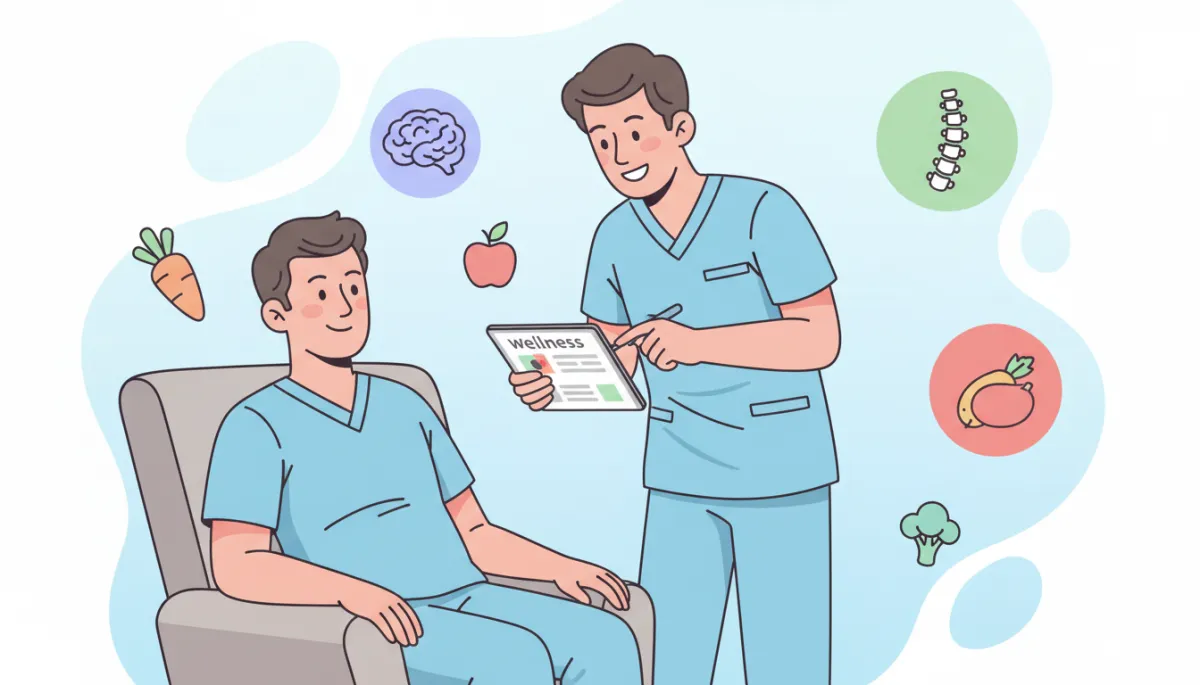
Migraine Headaches and Nutrition: Non-Surgical Options in Shelton, CT
Migraine headaches can make it hard to get through the day. Throbbing pain, nausea, and sensitivity to light or sound may affect how you walk, sit, work, drive, and even enjoy time with your family.
When migraines flare, simple tasks like looking at a computer screen, standing in bright stores, or trying to fall asleep can feel overwhelming. Many patients also worry about how often they need to take medication just to function at work or at home.
At Connecticut Disc and Laser Therapy Centers in Shelton, CT, we evaluate patients dealing with migraine headaches, neck pain, tension-type headaches, nerve irritation, and related spine and joint conditions that may contribute to head pain and discomfort.
The good news? Migraine headaches do not automatically mean you need surgery, injections, or long-term reliance on medication. For the right patient, advanced non-surgical treatment options and targeted nutrition strategies may help reduce migraine frequency, calm irritated tissues, and support better daily function as part of a comprehensive care plan.
In This Article, We’ll Explain:
What migraines are and how they affect daily life
Common food and environmental triggers linked to migraine attacks
How magnesium and other nutrients may support migraine management
Herbal and nutritional options like feverfew, riboflavin, melatonin, and CoQ10
Advanced non-surgical treatment options available in Shelton, CT
How we combine movement-based care, nutrition, and technology for the right patients
1. What Are Migraine Headaches?
Migraines are more than “just bad headaches.” They are a type of neurological condition that can cause throbbing or pulsating head pain, often on one side of the head, along with nausea, vomiting, and sensitivity to light, sound, or smells.
For some people, migraines come with warning signs called “auras,” such as visual changes, tingling, or difficulty speaking. For others, the pain may appear suddenly and last for hours or even days, interfering with work, school, sleep, and family activities.
Note: A proper medical and neurological evaluation is essential to rule out other serious causes of head pain and to confirm whether your symptoms fit a migraine pattern.
2. What Causes Migraines? (Genetics, Chemistry, and Triggers)
The exact cause of migraine headaches is still not fully understood. However, research suggests several factors may play a role, including genetics, brain chemistry, and environmental triggers.
Family history: Migraines often run in families, suggesting a genetic component.
Chemical imbalances: Changes in brain chemicals like serotonin may influence how blood vessels and nerves behave during a migraine.
Environmental factors: Weather changes, allergens, strong smells, and bright lights may trigger or worsen attacks in some individuals.
Hormonal shifts: Many women notice migraines around menstrual cycles, pregnancy, or menopause due to hormonal fluctuations.
While we cannot change our genetics, we can often identify and manage triggers, improve lifestyle habits, and explore non-surgical care options that may support the nervous system and reduce migraine burden over time.
3. Common Migraine Symptoms and Food Triggers
A 2018 survey of over 4,000 American adults with a history of migraines found that many patients experience less commonly discussed symptoms, including sensitivity to touch, food cravings, and even sound or smell hallucinations during attacks.
Sensitivity to touch (reported by about one-third of participants)
Food cravings (around one-quarter to one-third of participants)
Hallucinations involving sound or smell in a smaller, but notable, percentage of patients
The same survey also highlighted common foods that may trigger migraines for some individuals. These included chocolate, aged cheeses, citrus fruits, and alcohol (especially red wine). Other potential triggers may include cured meats, foods with monosodium glutamate (MSG), artificial sweeteners like aspartame, snack foods, fatty foods, dairy products, food dyes, coffee, tea, cola, and certain nuts.
Tip: Keeping a simple food and symptom diary for several weeks may help you and your healthcare provider identify patterns between what you eat and when your migraines occur.
4. Why Many Patients Look for Non-Drug Options
Medications can be helpful and are often an important part of migraine management. However, some patients experience side effects, limited benefit, or concerns about taking certain drugs frequently over many years.
This leads many people to explore additional non-pharmaceutical strategies that may help reduce the frequency or intensity of attacks. These may include nutrition changes, stress management, improving sleep habits, movement-based care, and advanced non-surgical therapies that aim to support the spine, nerves, and soft tissues.
Individual results vary, and non-drug options do not replace necessary medical care. However, for the right patient, combining approaches may offer a more complete plan than relying on medication alone.
5. Magnesium: A Key Nutrient for Migraine Support
According to a 2019 study, many people who suffer from migraines appear to have lower levels of magnesium, a mineral involved in hundreds of processes in the body. Magnesium plays a key role in regulating blood pressure, blood sugar, muscle function, and nerve signaling—all of which may influence migraine patterns.
Magnesium is naturally found in foods such as spinach, leafy greens, nuts, seeds, and whole grains. For some patients, improving dietary intake or using a magnesium supplement under professional guidance may support migraine management and overall health.
Important: Magnesium supplements are not right for everyone, especially those with certain kidney or heart conditions. Always talk with your healthcare provider before starting any new supplement.
6. What Research Says About Magnesium and Migraines
A meta-review that looked at multiple studies found that migraine patients who received magnesium supplementation reported decreases in both headache frequency and intensity. In some groups, additional benefits included reduced hospitalizations during pregnancy and, at higher doses studied for other conditions, a lower incidence of type 2 diabetes and stroke.
This does not mean magnesium is a cure or that it will work for everyone. However, it suggests that for certain patients, correcting a magnesium deficiency and supporting healthy nerve and muscle function may be a useful part of a broader non-surgical migraine care plan.
7. Feverfew, Riboflavin, Melatonin, and CoQ10: Other Nutritional Options
In addition to magnesium, several other nutritional and herbal options have been studied for migraine prevention and support. These are not right for everyone, but they may be considered under professional guidance as part of a non-surgical strategy.
Feverfew (Tanacetum parthenium): Traditionally used for headache and fever, feverfew has been researched for helping reduce migraine frequency in some patients. It has also been explored for symptoms such as menstrual irregularities, arthritis, psoriasis, allergies, asthma, tinnitus, dizziness, and nausea or vomiting.
Riboflavin (vitamin B2): Riboflavin supports energy production in cells and has been studied as a preventive option for migraines, particularly at specific doses used under supervision.
Melatonin: Because sleep disruption is a common migraine trigger, melatonin—known for its role in regulating sleep-wake cycles—has been researched for migraine prevention in select patients.
Coenzyme Q10 (CoQ10): CoQ10 is an antioxidant involved in energy production within cells. Some studies suggest it may support migraine prevention for certain individuals.
Because herbs and supplements can interact with medications or other health conditions, it is important to discuss any new regimen with your healthcare provider before starting.
8. Nutrition and Lifestyle Strategies for Migraine Management
For many migraine patients, small but consistent changes in daily habits may help reduce the intensity or frequency of attacks over time. Nutrition is one important piece of this puzzle, alongside sleep, movement, and stress management.
Eating regular, balanced meals to avoid blood sugar swings that may trigger headaches
Staying hydrated throughout the day, especially if caffeine intake is being reduced
Gradually identifying and limiting specific trigger foods, rather than restricting entire food groups without guidance
Supporting sleep quality with consistent bedtimes and a calming evening routine
Incorporating gentle movement, stretching, or exercise as tolerated to support circulation and stress relief
At our clinic, nutrition and lifestyle recommendations are tailored to the individual. What works for one patient may not be ideal for another, which is why a personalized assessment is so important.
9. Advanced Non-Surgical Options: Spinal Decompression, Laser, and emField Pro
For some migraine patients, irritation in the neck, upper back, or surrounding soft tissues may contribute to head pain. In these cases, advanced non-surgical therapies focused on the spine and nervous system may be considered when appropriate.
Spinal Decompression Therapy
For the right patient, gentle, computer-controlled Spinal Decompression Therapy may help reduce pressure on spinal discs and nerves in the neck or back. By creating a controlled, unloading effect on the spine, decompression may support improved circulation to irritated tissues and help calm nerve irritation that can contribute to certain types of headaches and neck-related pain patterns.
MLS Laser Therapy
MLS Laser Therapy is a non-invasive light-based therapy designed to help support tissue healing and reduce pain and inflammation. When applied to the neck, upper back, or other involved areas, MLS laser may help calm irritated muscles and soft tissues that can contribute to tension and headache symptoms in some patients.
emField Pro High Energy Inductive Therapy
emField Pro High Energy Inductive Therapy uses high-intensity electromagnetic fields to stimulate muscles and nerves without needles or surgery. For the right candidate, this technology may help relax tight muscles, improve local circulation, and support neuromuscular function as part of a broader non-surgical pain relief plan.
These therapies are not migraine-specific “cures,” but they may be considered when neck, back, or soft tissue issues are contributing to your overall pain picture. A careful evaluation is necessary to determine whether these options are appropriate for your situation.
10. Chiropractic and Movement-Based Care for Head and Neck Issues
For some patients, stiffness, misalignment, or restricted motion in the neck and upper back may be part of their migraine or headache pattern. In these cases, chiropractic and movement-based care may help support better joint motion, posture, and muscle balance.
At our clinic, Chiropractic Care in Shelton, CT may include gentle spinal adjustments, mobilization, and specific exercises designed to improve how the neck and upper back move. For the right patient, this may help reduce muscle tension, improve posture, and decrease mechanical stress that can contribute to certain headache and migraine patterns.
Chiropractic and movement-based care are tailored to each person’s comfort level and clinical findings. Techniques can be modified or combined with other therapies based on your needs and preferences.
11. How We Integrate Nutrition with Non-Surgical Pain Relief
At Connecticut Disc and Laser Therapy Centers, we view migraine care through a whole-person lens. For the right patient, this may include a combination of spine-focused therapies, movement-based care, and nutrition strategies aimed at supporting the nervous system and reducing triggers.
Reviewing your symptom history, migraine patterns, and potential triggers, including posture, stress, and activity levels
Discussing your current diet, hydration, and caffeine intake, and identifying realistic changes that may help
Considering whether nutrients like magnesium, riboflavin, or CoQ10 may be appropriate to discuss with your healthcare team
Combining nutrition strategies with spinal decompression, MLS laser, emField Pro, or chiropractic care when clinically indicated
Our goal is not to replace your primary physician or neurologist, but to work alongside your existing care to offer additional, conservative tools that may support your overall migraine management plan.
12. When to Seek Evaluation for Migraine and Headache Symptoms
If your headaches are new, worsening, or significantly different from your usual pattern, it is important to seek prompt medical evaluation to rule out serious conditions. Sudden, severe headaches, changes in vision, weakness, confusion, or difficulty speaking require immediate emergency care.
If you have an established migraine diagnosis but are still struggling with frequent attacks, side effects from medication, or limitations in your daily life, a non-surgical consultation at our office may help you explore additional options. A thorough evaluation can help determine whether your neck, back, posture, or muscle imbalances are contributing to your symptoms and whether advanced conservative therapies may be appropriate for you.
13. Why Patients in Shelton Choose Connecticut Disc and Laser Therapy Centers
Many patients come to our office after trying rest, ice, heat, stretching, medication, massage, physical therapy, injections, generic exercises, or a “wait and see” approach. They are often looking for a more targeted, non-surgical plan that addresses the spine, nerves, and soft tissues contributing to their pain.
At Connecticut Disc and Laser Therapy Centers in Shelton, CT, we focus on advanced non-surgical care for chronic pain, spine pain, joint pain, nerve irritation, muscle tightness, soft tissue irritation, arthritis-related stiffness, and musculoskeletal conditions. For some patients, these issues may be closely linked with their headache or migraine patterns, especially when neck or upper back involvement is present.
Under the direction of Dr. James J. Dalfino, our team uses a combination of advanced technologies and hands-on care to build individualized, non-surgical plans. Our goal is to help patients reduce pain, improve mobility, and explore conservative treatment options whenever possible, while working alongside their existing healthcare providers.
14. Related Articles and Pages
Bottom Line
Migraine headaches can be disruptive and exhausting, affecting work, sleep, and quality time with family and friends. While there is no single solution that works for everyone, research suggests that nutrition, magnesium, herbal options like feverfew, and nutrients such as riboflavin, melatonin, and CoQ10 may help support migraine management for certain patients when used appropriately.
At Connecticut Disc and Laser Therapy Centers in Shelton, CT, we focus on advanced non-surgical options—including spinal decompression, MLS laser, emField Pro, and chiropractic care—combined with lifestyle and nutrition guidance when appropriate. For the right patient, this comprehensive approach may help reduce migraine-related pain, improve mobility, and support better day-to-day function as part of an overall care plan.
New Patient Special — $99
Comprehensive Consultation, Examination, Report of Findings, and First Treatment Included.
Connecticut Disc and Laser Therapy Centers
Dr. James J. Dalfino
2 Trap Falls Road | Suite 208 | Shelton, CT 06484
Office: 203-922-9277
Website: Connecticut Disc and Laser Therapy Centers
This article is for informational purposes only and is not intended as medical advice. Individual results vary. A proper evaluation is necessary to determine whether any treatment is appropriate for your condition.