
The Diagnosis and Misdiagnosis of Fibromyaligia
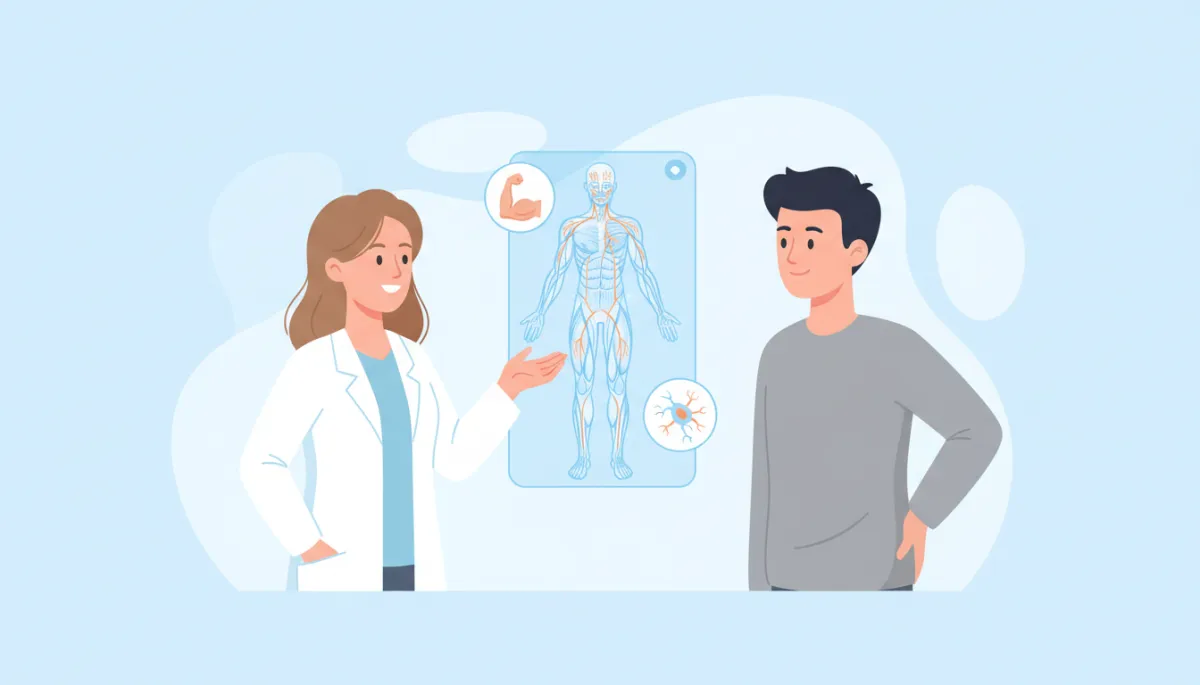
Fibromyalgia Pain Relief in Shelton, CT: Non-Surgical Options to Consider
Living with fibromyalgia can make even simple daily activities feel exhausting. Tasks like getting out of bed, walking around the house, sitting at a desk, or standing in line may trigger deep, widespread aches and fatigue.
Many patients describe difficulty sleeping, trouble concentrating at work, and feeling “worn out” after light exercise, driving, or caring for family. Over time, this can affect mood, relationships, and overall quality of life.
At Connecticut Disc and Laser Therapy Centers in Shelton, CT, we evaluate patients dealing with fibromyalgia-related pain, chronic muscle aches, fatigue, sleep issues, and overlapping conditions such as neck pain, back pain, and joint discomfort.
The good news? Fibromyalgia does not automatically mean you need surgery, injections, or long-term reliance on medication. For the right patient, advanced non-surgical treatment options may help reduce pain, improve mobility, calm irritated tissues, and support better function as part of a comprehensive care plan.
In this article, we’ll explain:
What fibromyalgia is and how it may affect your daily life
Why fibromyalgia can be difficult to diagnose and often misdiagnosed
Common symptoms and related conditions seen with fibromyalgia
How fibromyalgia is typically evaluated and diagnosed
Non-surgical treatment options that may help support fibromyalgia care
Why patients in Shelton choose Connecticut Disc and Laser Therapy Centers
1. What Is Fibromyalgia?
Fibromyalgia (FM) is a chronic condition that affects how the body processes pain. It is often grouped with musculoskeletal disorders because of the widespread muscle and joint aches it can cause, but fibromyalgia involves much more than pain alone.
Many patients experience deep, aching pain throughout the body, along with extreme fatigue, mental “fog,” sleep problems, digestive issues like irritable bowel, and heightened sensitivity to touch or pressure. These symptoms can come and go, and they may flare after stress, illness, or physical activity.
2. A Syndrome, Not Just One Symptom
Fibromyalgia is often described as a “syndrome,” meaning it includes a cluster of symptoms that tend to occur together. These may include widespread pain, decreased pain tolerance, multiple sensitive or “tender” points, profound fatigue, anxiety, and depression.
The fatigue associated with fibromyalgia is different from simply feeling tired after a long day. It can feel like a deep exhaustion that does not improve with rest and may make it difficult to work, exercise, or enjoy hobbies. This can lead to social withdrawal and emotional stress over time.
3. How Fibromyalgia Affects Daily Life
Fibromyalgia can touch nearly every part of your day. You may wake up feeling unrefreshed, stiff, or sore, even after a full night in bed. Sitting at a computer, standing at work, or driving for long periods may increase discomfort in your neck, shoulders, back, and hips.
Many patients report difficulty lifting groceries, playing with children or grandchildren, or keeping up with exercise routines they once enjoyed. Sleep disruptions and “brain fog” can make it harder to focus, remember details, or stay productive throughout the day.
4. Why Fibromyalgia Is Often Misdiagnosed
Fibromyalgia can be challenging to diagnose because its symptoms overlap with many other conditions. There is no single blood test, x-ray, or scan that can confirm fibromyalgia on its own. Instead, healthcare providers must carefully rule out other possible causes of your symptoms.
Blood work may be ordered to look for anemia, thyroid problems, inflammatory arthritis, or infections such as Lyme disease. Sleep studies may be used to evaluate for sleep apnea, which can co-exist with fibromyalgia. X-rays or other imaging may help rule out bone or joint conditions that could explain your pain.
Because fibromyalgia can vary so much from person to person, and because it can involve many body systems, patients often see several providers before receiving a clear explanation. Unfortunately, some are told that their symptoms are “all in their head,” which can add to frustration and emotional distress.
5. Common Misdiagnoses and Related Conditions
Because fibromyalgia symptoms are broad, patients are sometimes initially diagnosed with conditions such as depression, inflammatory arthritis (like rheumatoid arthritis or lupus), chronic myofascial pain syndrome, or chronic fatigue syndrome.
Fibromyalgia may also occur alongside other issues, including irritable bowel syndrome (IBS), thyroid disorders, headaches, neck pain, back pain, knee pain, and nerve-related symptoms like sciatica. This combination of overlapping problems can make the diagnostic process more complex, but it also highlights the importance of a thorough, whole-person evaluation.
6. Primary vs. Secondary Fibromyalgia
Some healthcare providers use the terms “primary” and “secondary” fibromyalgia. Primary fibromyalgia refers to cases where the condition is not clearly triggered by another problem. Secondary fibromyalgia is used when symptoms develop after, or along with, another issue such as a trauma (like a car accident), IBS, or an inflammatory arthritis condition.
Regardless of the label, the important point is that fibromyalgia is real and unique to each person. A careful diagnosis helps guide appropriate treatment options and sets realistic expectations for what may help you feel and function better over time.
7. How Fibromyalgia Is Evaluated and Diagnosed
Diagnostic guidelines for fibromyalgia typically include three main elements: widespread pain in multiple areas of the body, symptoms lasting at least three months, and no other medical condition clearly explaining the symptoms. Your provider will review your health history, perform a physical examination, and may use specific questionnaires or scoring tools to assess symptom patterns.
During an evaluation, you can expect questions about your pain locations, fatigue, sleep quality, stress levels, and mood. Tender points or trigger points may be checked to see how your body responds to gentle pressure. The goal is not just to label your condition, but to understand how it affects your daily life so that a personalized care plan can be created.
8. Non-Surgical Treatment Options for Fibromyalgia Support
There is no single approach that works for every person with fibromyalgia. Many patients do best with a combination of lifestyle changes, gentle movement or exercise, stress management, and non-surgical therapies aimed at calming irritated tissues and supporting the nervous system.
At Connecticut Disc and Laser Therapy Centers, we focus on advanced non-surgical options that may help support pain reduction, tissue healing, and improved mobility for the right patient. These therapies are often combined with home care strategies such as stretching, ergonomic changes, and sleep-supportive habits to create a more complete plan.
9. MLS Laser Therapy for Chronic Pain and Tissue Irritation
MLS Laser Therapy is an advanced, non-invasive light-based treatment used in many musculoskeletal and pain clinics. It is designed to deliver specific wavelengths of light to targeted tissues, which may help support circulation, reduce local inflammation, and promote a more comfortable healing environment.
For some patients with fibromyalgia and overlapping conditions—such as back pain, neck pain, or joint pain—MLS Laser Therapy may be considered as part of a broader non-surgical treatment plan. Individual responses vary, and a proper evaluation is necessary to determine whether this approach is appropriate for your specific situation.
10. emField Pro High Energy Inductive Therapy: Calming Tight Muscles and Nerves
emField Pro High Energy Inductive Therapy uses pulsed electromagnetic fields to stimulate targeted areas of the body. This technology is designed to influence muscles, nerves, and circulation without needles or surgery, and it is delivered while you remain comfortably clothed.
For the right patient, emField Pro High Energy Inductive Therapy may help support relaxation of tight muscles, reduction of localized discomfort, and improved mobility. In the context of fibromyalgia, it may be considered for patients who also struggle with chronic muscle tension, trigger points, or nerve-related irritation as part of a comprehensive plan.
11. Spinal Decompression and Chiropractic Care When Pain Overlaps the Spine
Many people with fibromyalgia also experience neck pain, back pain, or sciatica-like symptoms. In these cases, addressing underlying disc or joint issues in the spine may be an important part of overall pain management, alongside fibromyalgia-specific strategies.
Non-surgical Spinal Decompression Therapy is designed to gently stretch and decompress the spine, which may help reduce pressure on discs and nerves for certain conditions. When appropriate, this may be combined with Chiropractic Care in Shelton, CT to improve joint motion, posture, and overall spinal mechanics. These options are not intended to “cure” fibromyalgia, but they may help support patients whose fibromyalgia occurs alongside spine-related pain.
12. Movement, Lifestyle, and Team-Based Care
Gentle, consistent movement is often an important part of fibromyalgia management. This may include light stretching, short walks, low-impact exercise, or targeted home care routines tailored to your comfort level and abilities. Over time, this may help support joint mobility, muscle flexibility, and overall function.
Many patients also benefit from a team-based approach that addresses sleep habits, stress management, nutrition, and mental health support when needed. At our office, we coordinate care with your other providers when appropriate to help create a more complete, patient-centered plan.
13. Why Patients in Shelton Choose Connecticut Disc and Laser Therapy Centers
Many patients who visit our office have already tried rest, ice, heat, stretching, medication, massage, physical therapy, injections, generic exercise programs, or a “wait and see” approach. They are often looking for additional non-surgical options to help manage ongoing pain and improve function.
At Connecticut Disc and Laser Therapy Centers in Shelton, CT, we focus on advanced non-surgical care for chronic pain, spine pain, joint pain, nerve irritation, muscle tightness, soft tissue irritation, arthritis-related stiffness, and other musculoskeletal conditions. Our goal is to help patients reduce pain, improve mobility, and explore conservative treatment options whenever possible, always recognizing that individual results vary.
Care is directed by Dr. James J. Dalfino, who emphasizes thorough evaluation, clear communication, and personalized treatment planning based on each patient’s unique history, goals, and comfort level.
14. What to Expect at Your First Visit
If you visit our Shelton office for fibromyalgia-related concerns, your first appointment will focus on listening and understanding. We will review your health history, discuss your symptoms in detail, and perform a focused examination to evaluate posture, movement, tender areas, and any overlapping spine or joint issues.
When appropriate, we will explain which non-surgical options—such as MLS Laser Therapy, emField Pro High Energy Inductive Therapy, Spinal Decompression Therapy, or Chiropractic Care in Shelton, CT—may be considered as part of your plan. We will also discuss realistic expectations, home care strategies, and how to monitor your progress over time.
Related Articles and Pages
Connecticut Disc and Laser Therapy Centers
Spinal Decompression Therapy
MLS Laser Therapy
emField Pro High Energy Inductive Therapy
Chiropractic Care in Shelton, CT
Back Pain Treatment in Shelton, CT
Neck Pain Treatment in Shelton, CT
Sciatica Treatment in Shelton, CT
Knee Pain Treatment in Shelton, CT
Bottom Line
Fibromyalgia is a complex condition that can affect your entire life—physically, mentally, and emotionally. While it can be frustrating to navigate, a clear diagnosis and a thoughtful, non-surgical treatment plan may help many patients better manage their symptoms and improve day-to-day function.
At Connecticut Disc and Laser Therapy Centers in Shelton, CT, we offer advanced non-surgical options such as MLS Laser Therapy, emField Pro High Energy Inductive Therapy, Spinal Decompression Therapy, and Chiropractic Care in Shelton, CT that may help support the right patient as part of a comprehensive fibromyalgia and chronic pain strategy. A proper evaluation is the first step in determining whether these approaches are appropriate for your needs.
New Patient Special — $99
Comprehensive Consultation, Examination, Report of Findings, and First Treatment Included.
Connecticut Disc and Laser Therapy Centers
Dr. James J. Dalfino
2 Trap Falls Road | Suite 208 | Shelton, CT 06484
Office: 203-922-9277
Website: Connecticut Disc and Laser Therapy Centers
This article is for informational purposes only and is not intended as medical advice. Individual results vary. A proper evaluation is necessary to determine whether any treatment is appropriate for your condition.