Laser Therapy for Knee Pain: How It Works & Why It’s Effective
If you’re struggling with chronic knee pain from an injury, arthritis, or overuse, laser therapy could be the breakthrough treatment you need. At Connecticut Disc and Laser Therapy Centers, we provide advanced, non-invasive laser therapy solutions to help patients recover faster and reduce knee pain without surgery.
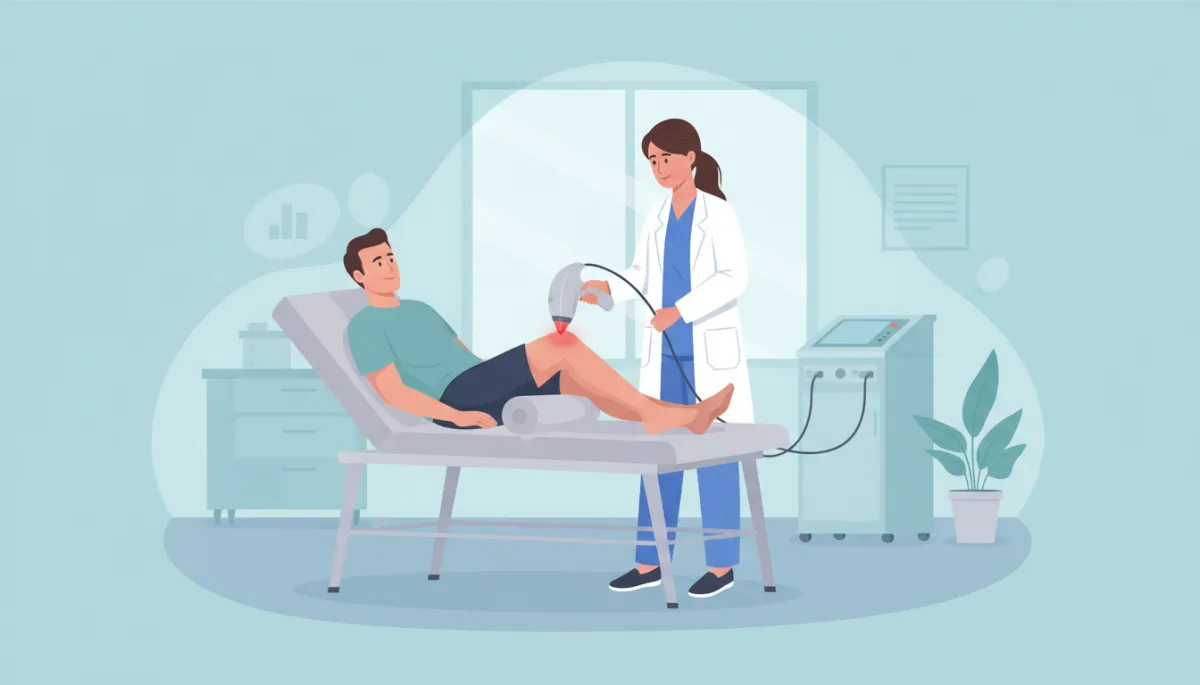
1. What Is Laser Therapy for Knee Pain?
Laser therapy is a non-invasive treatment that uses low-level light energy to stimulate the healing process in damaged tissues. It works by increasing blood circulation, reducing inflammation, and promoting cell regeneration in the affected area.
📌 How Laser Therapy Works
A focused light pulse is applied directly to the injured knee.
It increases blood flow and oxygen supply, which helps speed up the body’s natural healing response.
It encourages tissue repair and supports the release of your body’s own natural pain-relieving chemicals.
There are no drugs, injections, or surgical incisions involved.
2. Can Laser Therapy Help with Your Knee Pain?
Yes — a growing body of scientific research confirms that laser therapy can effectively reduce knee pain and improve joint function in many conditions, including:
Arthritis and joint inflammation
Ligament and tendon injuries
Cartilage damage
Post-surgical swelling and stiffness
Overuse injuries such as runner’s knee or meniscus irritation
A 2020 study found that laser therapy significantly reduces pain and improves function in patients with chronic knee pain, supporting its use as a non-surgical treatment option.
“For many patients, laser therapy becomes a turning point — it helps calm inflammation, ease pain, and support better movement without downtime.”
3. Key Benefits of Laser Therapy for Knee Pain
📌 Why Choose Laser Therapy Over Other Treatments?
Non-invasive and comfortable — no surgery, needles, or incisions.
No medication side effects — avoids the risks of long-term painkiller use.
Suitable for many types of knee pain, including arthritis, sports injuries, and overuse conditions.
Supports faster recovery and longer-lasting relief when combined with a personalized care plan.
📌 What a Typical Treatment Plan Looks Like
Each area of the knee is treated for about 30 to 60 seconds, depending on the condition.
Many patients notice improvement within a few sessions, sometimes even after the first visit.
A series of about 5–12 sessions is often recommended for the best, most lasting results.
💡 Pro Tip: Consistency matters — keeping your scheduled laser sessions helps build cumulative healing effects.
4. What to Expect After Laser Therapy
Unlike surgical procedures or injections, laser therapy typically requires minimal aftercare. Most patients can return to normal daily activities right away. To support healing and maintain your results, your provider may recommend a few simple steps.
Post-Laser Therapy Care Tips
Keep the knee area clean using mild soap and water if the skin has been exposed.
Protect the skin from UV exposure by using sunscreen or covering the area if you will be outdoors.
Use an ice pack if recommended to calm any minor, temporary swelling or warmth.
Avoid picking or scratching the skin so the area can heal naturally.
📌 Key Takeaway: Most patients experience little to no downtime and can resume regular activities soon after treatment.
5. Which Type of Laser Therapy Is Best for Knee Pain?
The best laser therapy for many types of knee pain is Cold Laser Therapy, also called Low-Level Laser Therapy (LLLT). At Connecticut Disc and Laser Therapy Centers, we use Class III and Class IV lasers as part of a personalized treatment plan, which can:
Reduce pain and inflammation in and around the knee joint.
Promote tissue repair and cell regeneration to support long-term joint health.
Support healing of damaged cartilage and ligaments, especially when combined with other non-surgical therapies such as High Energy Inductive Therapy (the Emfield Pro).
A clinical review confirmed that Cold Laser Therapy significantly improves knee function and reduces pain in patients with arthritis and sports-related knee injuries.
6. Are There Any Side Effects of Laser Therapy?
Laser therapy is considered extremely safe when performed by trained professionals. Most patients experience no significant side effects. In a small number of cases, some temporary effects may occur, such as:
Redness or mild swelling around the treated area, usually resolving within a few hours.
Temporary skin sensitivity, especially to sun exposure, which is why protection is recommended.
A mild tingling or warmth during or shortly after treatment, which is typically brief and harmless.
⚠️ Note: Your provider will review your health history to make sure laser therapy is appropriate and safe for you.
7. Is Laser Therapy Right for You?
If you live with chronic knee pain, arthritis, or a knee injury and want to avoid or delay surgery, laser therapy may be an excellent option. It is safe, drug-free, and supported by clinical research as a tool for pain relief and improved function.
At Connecticut Disc and Laser Therapy Centers, our team specializes in advanced, non-surgical treatments — including laser therapy and High Energy Inductive Therapy (the Emfield Pro) — designed to reduce knee pain, restore mobility, and support long-term joint health.
📌 Next Step: A personalized evaluation helps determine whether laser therapy, High Energy Inductive Therapy, or a combination of treatments is best for your specific knee condition.
📞 Call us today at 203-922-9277 or schedule your appointment online at schedule.ctdisccenters.com to learn how we can help you move with less pain.


