
Spinal Decompression: Relieving Neck Pain Explained
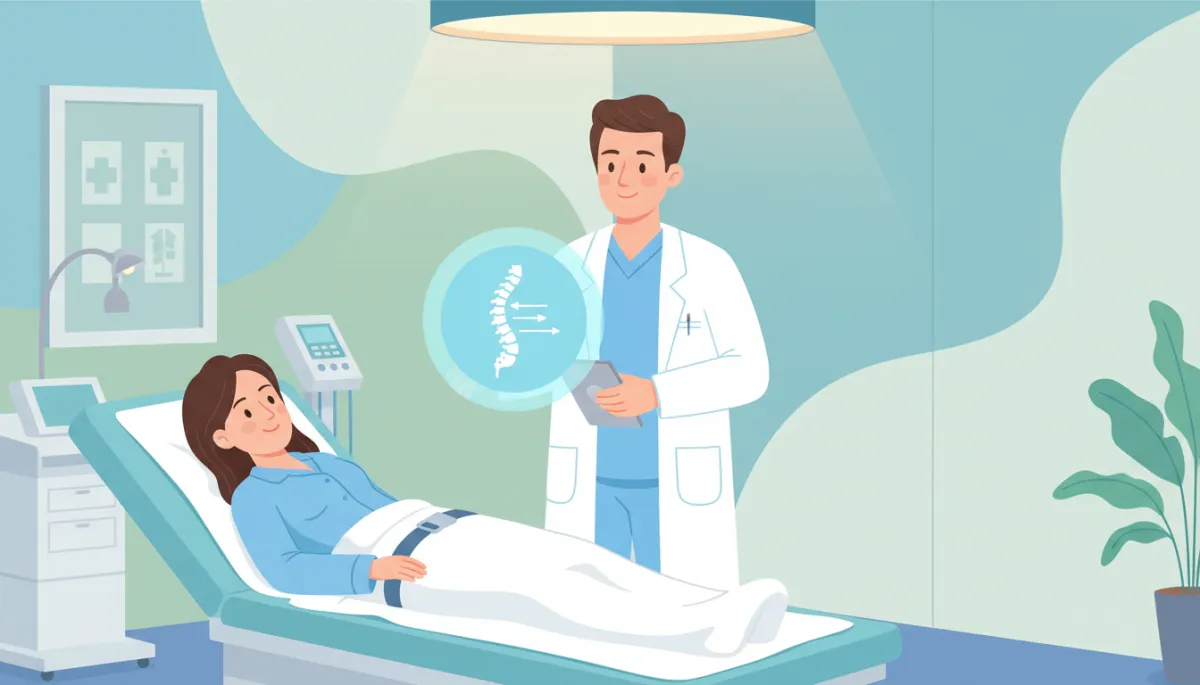
What Is Spinal Decompression and How Can It Help Relieve Neck Pain?
Neck pain can make everyday activities feel exhausting. Simple tasks like turning your head to check your blind spot, looking down at your phone, or sleeping through the night may become difficult and frustrating.
You might notice stiffness when you wake up, discomfort while working at a computer, or sharp pain that travels into your shoulder, arm, or between your shoulder blades. Over time, this can affect driving, working, exercising, and enjoying time with family and friends.
At Connecticut Disc and Laser Therapy Centers in Shelton, CT, we evaluate patients dealing with neck pain, upper back pain, arm pain, tingling or numbness, disc problems, and related spine conditions that may be contributing to their symptoms.
The good news? Neck pain and disc-related problems do not automatically mean you need surgery, injections, or long-term medication. For the right patient, advanced non-surgical treatment options may help reduce pain, improve mobility, calm irritated tissues, and support better function as part of a comprehensive care plan.
In This Article, We’ll Explain:
What spinal decompression therapy is and how it works
Common reasons you may be experiencing neck pain
How spinal decompression may help relieve neck and arm symptoms
Who may be a candidate for non-surgical spinal decompression therapy
How MLS Laser Therapy and emField Pro High Energy Inductive Therapy may support healing
The role of chiropractic and movement-based care for neck pain
What to expect during a visit at Connecticut Disc and Laser Therapy Centers
Why patients in Shelton choose our office for advanced non-surgical care
1. What Is Spinal Decompression Therapy?
Spinal decompression is a non-surgical therapy that gently stretches the spine using a specialized traction table or similar motorized device. The goal is to reduce pressure on the spinal discs and surrounding nerves that may be contributing to pain in the neck, mid-back, or lower back.
During a spinal decompression session, the table applies a controlled, computer-guided pulling force. This gentle traction helps create a negative pressure within the spinal discs, which may encourage bulging or herniated disc material to retract away from nearby nerves.
Note: Spinal decompression therapy is non-surgical and is different from surgical decompression procedures performed in a hospital or surgical center.
2. How Spinal Decompression May Help Neck Pain
In the neck region, spinal decompression focuses on gently stretching the cervical spine. By reducing pressure within the discs and around the nerves, this approach may help:
Decrease compression on irritated nerve roots that can cause neck, shoulder, or arm pain
Support retraction of bulging or herniated discs away from sensitive structures
Improve space for spinal discs to receive oxygen, water, and nutrient-rich fluids
Help calm muscle guarding and tension that often develop around painful areas
As the spine is gently decompressed, some patients report that pressure, tightness, or radiating symptoms begin to ease. Individual responses vary, and a proper evaluation is necessary to determine whether spinal decompression therapy is appropriate for your specific condition.
3. Common Reasons You Might Be Experiencing Neck Pain
Neck pain can develop gradually or suddenly. Many people notice symptoms after years of desk work, frequent phone use, or repetitive movements. Others feel pain following a specific incident, such as a sports injury or car accident.
Muscle strain and postural stress: Prolonged time hunched over a computer, looking down at a phone, or driving for long periods may strain the muscles and ligaments in the neck and upper back.
Disc bulges and herniations: The discs between your neck vertebrae can bulge or herniate, sometimes pressing on nearby nerves and causing pain, tingling, numbness, or weakness.
Joint wear and arthritis: Over time, the joints in the neck can wear down, leading to arthritis, stiffness, and bone spurs that may narrow spaces where nerves exit the spine.
Injuries and whiplash: Sudden movements, falls, or accidents may strain the soft tissues, ligaments, and discs in the neck.
In some cases, underlying medical conditions such as rheumatoid arthritis, infections, or other systemic issues can also contribute to neck pain. That is why a thorough history and examination are important before starting any treatment plan.
4. How Neck Pain Can Affect Daily Life
When your neck hurts, nearly everything that involves movement of your head or upper body can feel harder. You may have trouble finding a comfortable sleeping position, or you might wake up at night because of pain or numbness in your arm or hand.
Working at a desk, lifting children, exercising, or even relaxing on the couch can become uncomfortable. Some people avoid driving long distances or checking blind spots because turning their head is painful or limited. Over time, this can reduce activity levels and quality of life.
Addressing neck pain early may help prevent it from becoming a long-term problem that interferes with work, hobbies, and family activities.
5. How Spinal Decompression Therapy Is Performed
Spinal decompression therapy is typically performed while you lie comfortably on a specially designed table. For neck-related conditions, a gentle harness or support is placed around the head and neck area to apply controlled traction to the cervical spine.
A computer-guided system helps control the amount and timing of the pulling force, allowing for gradual, gentle stretching and relaxation cycles. Many patients describe the experience as a mild stretching sensation rather than something painful or abrupt.
As the spine is gently stretched, pressure on the discs and nerves may decrease. This can allow more room for oxygen, water, and nutrient-rich fluids to move into the disc area, supporting the body’s natural healing processes over time. Individual treatment plans and responses can vary from person to person.
6. Who May Be a Candidate for Spinal Decompression Therapy?
Non-surgical spinal decompression may be considered for patients with certain neck or back conditions, especially when conservative options like rest, basic stretching, or over-the-counter medications have not provided enough relief. Potential candidates may include people with:
Cervical disc bulges or herniations contributing to neck or arm pain
Degenerative disc changes in the neck or lower back
Chronic neck pain that has not responded well to basic care strategies
Certain types of radiculopathy, where nerve irritation causes tingling, numbness, or weakness in the arm or hand
Not everyone is a candidate for spinal decompression. Some conditions, such as certain fractures, advanced instability, severe osteoporosis, or specific medical disorders, may make this therapy inappropriate. A detailed consultation and examination are essential to determine whether spinal decompression therapy may be safely included in your treatment plan.
7. Spinal Decompression Therapy at Connecticut Disc and Laser Therapy Centers
At Connecticut Disc and Laser Therapy Centers, spinal decompression therapy is one of the advanced non-surgical options we may recommend for appropriate patients with neck or back problems. Our goal is to create a customized plan that addresses the underlying causes of your pain, not just the symptoms.
When spinal decompression is recommended, it is typically combined with other supportive therapies and lifestyle strategies to help you move better, feel better, and function more comfortably in daily life. Treatment frequency and duration are tailored to your specific condition and response over time.
Spinal decompression therapy is generally well-tolerated. Many patients find the sessions relaxing, but individual experiences can differ.
8. MLS Laser Therapy: Supporting Tissue Healing and Comfort
In addition to spinal decompression, some patients may benefit from MLS Laser Therapy as part of a non-surgical treatment plan. MLS laser uses specific wavelengths of light energy that may help support circulation, reduce local inflammation, and promote tissue healing responses in the treated area.
For neck pain and disc-related conditions, MLS laser therapy may be applied to the neck, upper back, or related soft tissues. The goal is to help calm irritated tissues and support the body’s natural recovery processes when used alongside other conservative treatments. Individual results vary, and treatment recommendations are based on your specific diagnosis and goals.
9. emField Pro High Energy Inductive Therapy: Muscle and Nerve Support
Another advanced technology that may be included in a care plan is emField Pro High Energy Inductive Therapy. This therapy uses high-intensity electromagnetic fields to stimulate muscles and nerves in a targeted way, which may help reduce muscle tension and support improved function around the spine and joints.
For patients with neck pain, tight muscles, or nerve-related symptoms, emField Pro therapy may be used, when appropriate, to complement spinal decompression and other treatments. The goal is to help the neck and upper back move more comfortably and to support better posture and muscle balance over time.
10. Chiropractic and Movement-Based Care for Neck Pain
Chiropractic and movement-based care may also play an important role in managing neck pain and related symptoms. At our office, Chiropractic Care in Shelton, CT may include gentle spinal adjustments, soft tissue techniques, and specific exercises or stretches designed to improve mobility and support better alignment.
For the right patient, combining chiropractic care with spinal decompression, MLS Laser Therapy, and emField Pro High Energy Inductive Therapy may provide a more comprehensive, non-surgical approach to neck pain. The focus is on helping you move with less discomfort, improve posture, and reduce strain on the spine during everyday activities like sitting, standing, walking, and working.
11. What to Expect During Your Visit
Your first visit typically begins with a detailed consultation and examination. We will discuss your symptoms, medical history, daily activities, and any previous treatments you have tried. When appropriate, imaging studies such as X-rays or MRI reports may be reviewed to better understand what is happening in your spine and neck.
Based on your findings, we will outline a personalized, non-surgical treatment plan that may include Spinal Decompression Therapy, MLS Laser Therapy, emField Pro High Energy Inductive Therapy, chiropractic care, or other supportive strategies. We will also discuss realistic expectations, approximate timelines, and how to monitor your progress over time.
The goal is to help you make informed decisions about your neck pain and understand which non-surgical options may be appropriate for your specific situation.
12. When to Consider Evaluation for Neck Pain
It may be time to seek a professional evaluation if your neck pain:
Lasts more than a few days or keeps returning
Interferes with sleep, work, driving, or daily activities
Is accompanied by tingling, numbness, or weakness in the arm or hand
Has not improved with rest, basic stretching, or over-the-counter measures
A timely assessment can help identify whether non-surgical options such as spinal decompression and related therapies may be appropriate, or whether further medical evaluation is needed for your specific condition.
13. Why Patients in Shelton Choose Connecticut Disc and Laser Therapy Centers
Many patients come to our office after trying rest, ice, heat, stretching, medication, massage, physical therapy, injections, generic exercises, or a “wait and see” approach. They are often looking for advanced, non-surgical options that focus on the spine and joints in a more targeted way.
At Connecticut Disc and Laser Therapy Centers in Shelton, CT, we focus on advanced non-surgical care for chronic pain, spine pain, joint pain, nerve irritation, muscle tightness, soft tissue irritation, arthritis-related stiffness, and musculoskeletal conditions. We use technologies such as spinal decompression, MLS Laser Therapy, and emField Pro High Energy Inductive Therapy, along with chiropractic and movement-based care, when appropriate.
Our goal is to help patients reduce pain, improve mobility, and explore conservative treatment options whenever possible. Dr. James J. Dalfino and the team work to create individualized plans that respect your health history, lifestyle, and goals, so you can make informed decisions about your care.
Related Articles and Pages
Bottom Line
Neck pain can affect every part of your day, from working and driving to sleeping and enjoying time with family. In many cases, disc problems, joint wear, and nerve irritation in the neck may contribute to these symptoms, but they do not always require surgery or long-term medication.
For the right patient, non-surgical options like spinal decompression therapy, MLS Laser Therapy, emField Pro High Energy Inductive Therapy, and chiropractic or movement-based care may help reduce pain, improve mobility, and support better function as part of a comprehensive treatment plan. A proper evaluation is the first step in determining which approach is appropriate for your specific condition and goals.
New Patient Special — $99
Comprehensive Consultation, Examination, Report of Findings, and First Treatment Included.
Connecticut Disc and Laser Therapy Centers
Dr. James J. Dalfino
2 Trap Falls Road | Suite 208 | Shelton, CT 06484
Office: 203-922-9277
Website: Connecticut Disc and Laser Therapy Centers
This article is for informational purposes only and is not intended as medical advice. Individual results vary. A proper evaluation is necessary to determine whether any treatment is appropriate for your condition.