Patient Education · Shelton, Connecticut
When Is Spinal Fusion
Necessary?
Understanding when surgery may be needed and when an individualized non-surgical care plan may be appropriate.
Book an Appointment ↗In this article
Understanding spinal fusion and your options
Ongoing back pain can make everyday activities feel like a challenge. Walking, standing at the sink, sitting at your desk, driving, or even getting comfortable in bed may all become difficult when your lower back hurts.
You may notice pain when you lift groceries, play with your kids or grandkids, exercise, or try to focus at work. Over time, this can affect your mood, sleep, and ability to enjoy your normal routines and family activities.
At Connecticut Disc and Laser Therapy Centers in Shelton, CT, we evaluate patients dealing with chronic back pain, neck pain, sciatica, disc problems, arthritis-related stiffness, and other spine and joint conditions that may raise questions about spinal fusion surgery.
The good news?
Many people with back or neck pain do not automatically need surgery, injections, or long-term medication. For the right patient, advanced non-surgical treatment options may help reduce pain, improve mobility, calm irritated tissues, and support better function as part of a comprehensive care plan.
In this article, we’ll explain:
- What spinal fusion surgery is and why it is sometimes recommended
- Common conditions that may lead to a discussion about fusion
- When spinal fusion may be considered medically necessary
- Advanced non-surgical options that may help the right patient
- How Connecticut Disc and Laser Therapy Centers approaches spine and joint pain
1. What Is Spinal Fusion?
Spinal fusion is a type of back surgery where two or more vertebrae are joined together so they no longer move independently. The goal is to reduce excessive motion, also called instability, in a painful segment of the spine.
Surgeons may use bone grafts, screws, rods, or plates to hold the bones in place while they heal and fuse. Over time, the fused area becomes one solid piece of bone, which may help stabilize the spine in certain situations.
2. Conditions That May Lead to a Fusion Discussion
Not all back or neck pain leads to surgery. However, some conditions can create enough instability or nerve irritation that a surgeon may consider spinal fusion as one option, especially if symptoms are severe and long-lasting.
- Traumatic fractures of the spine that make the area unstable
- Spondylolisthesis, where one vertebra slips forward on another
- Advanced disc degeneration with instability and nerve compression
- Certain types of spinal deformity or curvature
- Cases where prior spine surgery did not provide lasting improvement
Even when these conditions are present, many patients still explore non-surgical options first, when appropriate, to see if symptoms can be managed or improved without an operation.
3. When Spinal Fusion May Be Medically Necessary
In general, spinal fusion is more likely to be considered when serious signs are present and non-surgical care has not provided satisfactory improvement. Examples may include:
- Progressive neurological loss or weakness that is worsening over time
- Significant nerve compression with loss of bowel or bladder control (such as cauda equina syndrome), which is a medical emergency
- Clear X-ray or imaging evidence of spinal instability with related neurological signs
- Severe, unremitting pain that significantly affects quality of life and has not responded to appropriate non-surgical and, in some cases, prior surgical care
Even in these situations, decisions about surgery are highly individual. A proper evaluation, including imaging and a thorough clinical exam, is essential to determine whether fusion is appropriate for a specific patient.
4. Why Not Every Back Pain Patient Needs Fusion
Many people with back or neck pain have conditions that can often be managed with non-surgical care, especially when addressed early. Muscle strain, mild disc issues, joint irritation, and posture-related problems frequently respond to conservative treatment plans.
In some cases, patients are told they “might need surgery someday,” but that does not always mean surgery is the only option right now. For the right patient, non-surgical therapies may help support better motion, reduce irritation, and improve daily comfort without fusing the spine.
5. The Role of Early, Conservative Care
With most musculoskeletal issues, it is often best to seek care early, while symptoms may be milder and easier to manage. Waiting months or years while pain gradually worsens can sometimes make recovery more challenging.
Early evaluation may help identify contributing factors like posture, joint restrictions, muscle imbalances, and lifestyle habits. Addressing these factors with a conservative plan may help reduce stress on the spine and support better long-term function for some patients.
6. Advanced Non-Surgical Options at Our Shelton Office
At Connecticut Disc and Laser Therapy Centers, we focus on advanced non-surgical technologies and movement-based care for spine and joint conditions. For the right patient, these options may be used alone or in combination as part of a customized treatment plan.
- Connecticut Disc and Laser Therapy Centers offers a range of non-surgical therapies focused on discs, nerves, joints, and soft tissues.
- Treatment recommendations are based on your history, exam findings, and, when available, imaging and prior records.
Individual results vary, and no single approach is right for everyone. Our goal is to help you understand your options so you can make informed decisions about your care.
7. Spinal Decompression Therapy for Disc and Nerve Pressure
For some patients with disc-related pain, non-surgical spinal decompression may be part of a treatment plan. This technology uses a specialized table and controlled traction to gently stretch and relax the spine in specific patterns.
The goal is to create a more favorable environment around the discs and nerves. When appropriate, spinal decompression therapy may help support reduced pressure on irritated structures and promote improved motion and comfort for certain patients.
Learn more about how this may fit into a non-surgical plan here: Spinal Decompression Therapy.
8. MLS Laser Therapy to Help Calm Irritated Tissues
MLS Laser Therapy is a non-invasive light-based treatment used on joints, muscles, ligaments, and nerves. It delivers specific wavelengths of light to targeted areas of the body in a comfortable, non-surgical session.
When appropriate, MLS Laser Therapy may help support reduced local inflammation, decreased discomfort, and improved tissue healing responses as part of a broader care plan. Many patients appreciate that the treatment is quick and does not involve needles or incisions.
You can read more here: MLS Laser Therapy.
9. emField Pro High Energy Inductive Therapy
emField Pro High Energy Inductive Therapy uses high-intensity electromagnetic fields applied to targeted areas of the body. This non-invasive technology is designed to stimulate muscles and tissues without direct skin contact.
For the right patient, this therapy may help support improved circulation, muscle activation, and comfort in areas affected by chronic pain or stiffness. It is often combined with other non-surgical treatments and movement strategies to support overall function.
Learn more here: emField Pro High Energy Inductive Therapy.
10. Chiropractic and Movement-Based Care
For many spine and joint problems, gentle chiropractic care and movement-based strategies can play an important role in a non-surgical plan. These approaches focus on improving joint motion, reducing muscle tension, and supporting healthier movement patterns.
When appropriate, chiropractic care may help support better alignment, decrease mechanical stress on irritated tissues, and improve how you move during daily activities like walking, lifting, and sitting. Home exercises and posture strategies are often included to reinforce progress between visits.
To learn more about our chiropractic services, visit: Chiropractic Care in Shelton, CT.
11. Understanding Your Symptoms: Back, Neck, and Sciatica
Back and neck pain can show up in different ways. Some people feel a dull ache across the lower back. Others notice sharp, shooting pain down a leg, often described as sciatica. Neck issues may create pain that travels into the shoulders, arms, or between the shoulder blades.
Understanding the pattern of your pain can help guide an appropriate evaluation and treatment plan. In some cases, non-surgical care focused on discs, joints, and nerves may help the right patient manage symptoms and improve daily function.
- Learn more about our approach to lower back pain: Back Pain Treatment in Shelton, CT.
- For neck-related concerns, visit: Neck Pain Treatment in Shelton, CT.
- If your pain travels down the leg, see: Sciatica Treatment in Shelton, CT.
12. Knee and Other Joint Pain That May Affect Your Spine
Pain is not always limited to the spine itself. Knee, hip, or other joint problems can change the way you walk and move, which may place additional stress on your back or neck over time.
Addressing these related areas may be an important part of a comprehensive, non-surgical plan. For example, supporting healthier knee function and mobility may help you walk more comfortably and reduce compensations that irritate the lower back.
Learn more here: Knee Pain Treatment in Shelton, CT.
13. How We Help You Decide on Next Steps
Deciding whether to continue with non-surgical care, consider injections, or consult a surgeon can feel overwhelming. Our role is to help you understand your condition, review your options, and support you in making informed choices that align with your goals and medical needs.
If we feel that you may benefit from a surgical opinion, we will let you know. If your condition appears appropriate for conservative care, we will outline a tailored plan that may include advanced non-surgical technologies, chiropractic care, and movement strategies.
14. Why Patients in Shelton Choose Connecticut Disc and Laser Therapy Centers
Many patients come to our office after trying rest, ice, heat, stretching, medication, massage, physical therapy, injections, generic exercises, or a “wait and see” approach. They are often looking for a focused, non-surgical strategy that addresses the spine, joints, and surrounding soft tissues together.
At Connecticut Disc and Laser Therapy Centers in Shelton, CT, we concentrate on advanced non-surgical care for chronic pain, spine pain, joint pain, nerve irritation, muscle tightness, soft tissue irritation, arthritis-related stiffness, and a wide range of musculoskeletal conditions. Our treatment plans are personalized based on your evaluation and goals.
Our goal is to help patients reduce pain, improve mobility, and explore conservative treatment options whenever possible. Care is directed by Dr. James J. Dalfino, who has extensive experience in non-surgical spine and joint care.
Related Articles and Pages
What this means for you
Spinal fusion can be an important option for certain serious spine conditions, especially when there is clear instability, progressive neurological loss, or severe, unrelenting pain that has not responded to appropriate non-surgical care. However, many people with back, neck, or radiating leg pain do not automatically need surgery.
For the right patient, advanced non-surgical treatments—such as spinal decompression, MLS Laser Therapy, emField Pro High Energy Inductive Therapy, and chiropractic or movement-based care—may help reduce pain, improve mobility, and support better function as part of a comprehensive plan. A thorough evaluation is the first step in determining which options make the most sense for your specific situation.
New Patient Special — $99
Comprehensive Consultation, Examination, Report of Findings, and First Treatment Included.
Connecticut Disc and Laser Therapy Centers
Dr. James J. Dalfino
2 Trap Falls Road | Suite 208 | Shelton, CT 06484
Office: 203-922-9277
Website: Connecticut Disc and Laser Therapy Centers
This article is for informational purposes only and is not intended as medical advice. Individual results vary. A proper evaluation is necessary to determine whether any treatment is appropriate for your condition.
Book an Appointment ↗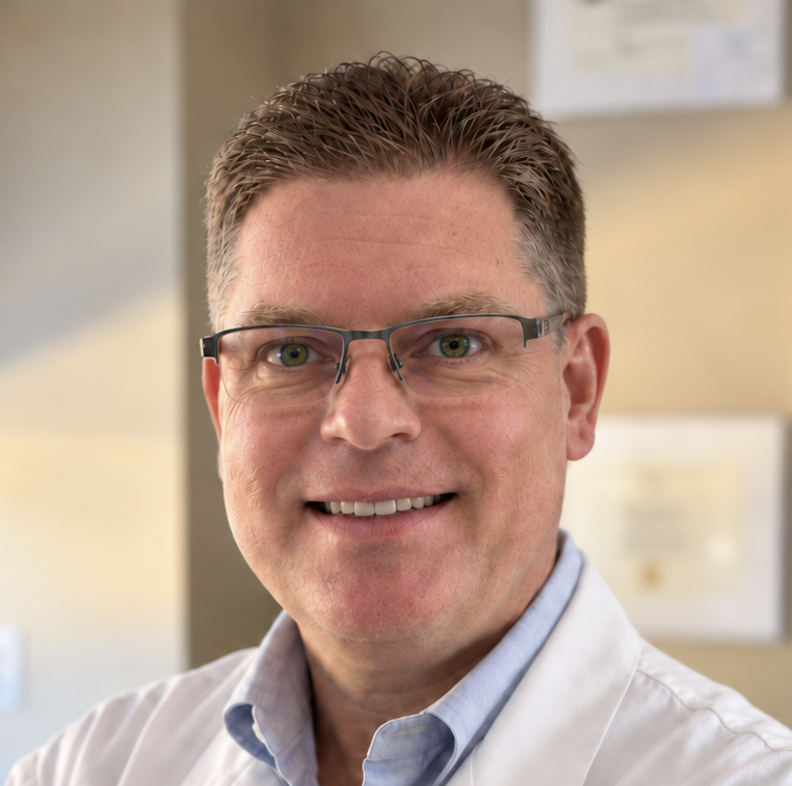
Dr. James J. Dalfino
President and clinic director of Connecticut Disc and Laser Therapy Centers in Shelton, CT.
Meet Dr. Dalfino →