Whiplash, Headaches, Dizziness, and Brain Fog After a Car Accident: Treatment Options in Shelton, CT
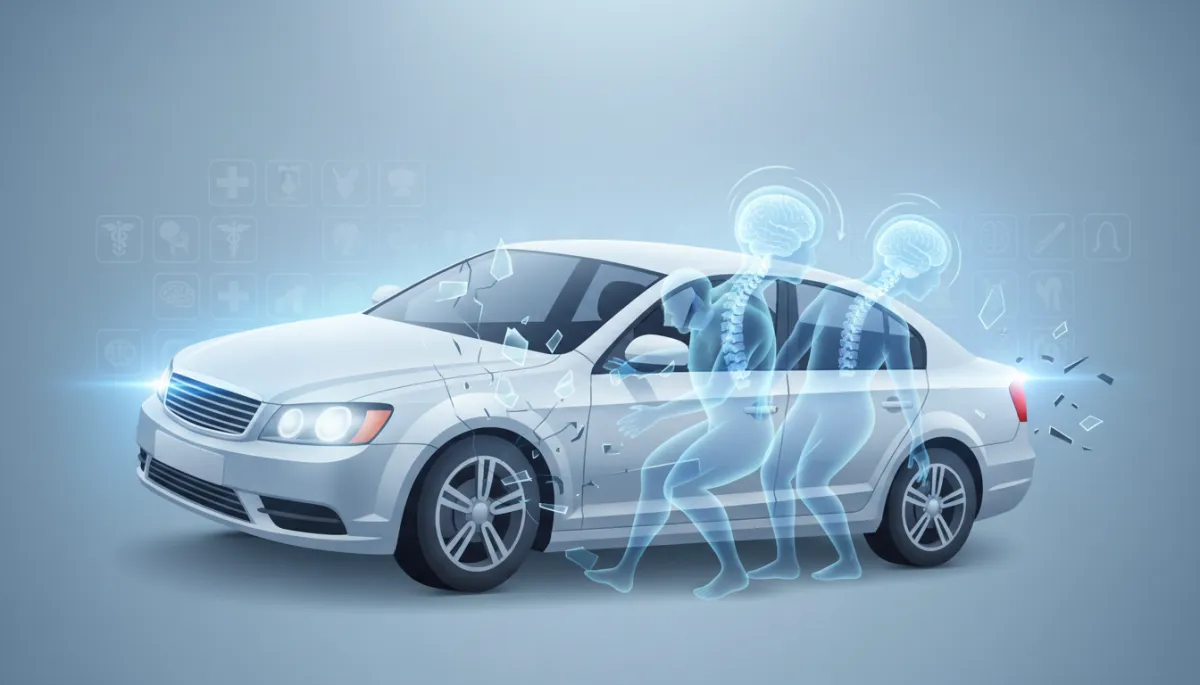
Whiplash is common after a car accident.
But whiplash is not always just neck pain.
Some patients also develop headaches, dizziness, brain fog, trouble concentrating, light sensitivity, sleep problems, or symptoms that make them feel “off” after the crash.
Sometimes these symptoms improve within a few days.
Other times, they linger for weeks or months and start interfering with work, driving, sleep, and daily life.
At Connecticut Disc and Laser Therapy Centers in Shelton, CT, we evaluate patients dealing with whiplash, neck pain, headaches, dizziness, stiffness, upper back pain, nerve irritation, and soft tissue injuries after motor vehicle accidents.
The good news?
Not every whiplash injury requires surgery, injections, or long-term medication.
For many patients, advanced non-surgical treatment may help reduce inflammation, improve mobility, calm irritated tissues, and support better function after a car accident injury.
In this article, we’ll explain:
what whiplash-associated disorders are
why symptoms can involve more than the neck
how headaches, dizziness, and brain fog may happen after a crash
warning signs you should not ignore
non-surgical whiplash treatment options in Shelton, CT
when to schedule an evaluation
1. What Are Whiplash-Associated Disorders?
Whiplash is a neck injury caused by a sudden back-and-forth or side-to-side movement of the head and neck.
It often happens after a rear-end car accident, but it can also occur after side-impact crashes, front-end collisions, falls, sports injuries, or any sudden jolt to the body.
The term whiplash-associated disorders, or WAD, refers to the wider group of symptoms that may occur after this type of injury.
That may include:
neck pain
neck stiffness
headaches
pain at the base of the skull
upper back tightness
shoulder pain
dizziness
brain fog
difficulty concentrating
sleep disruption
fatigue
numbness or tingling
pain into the arm or hand
jaw pain
low back pain
Some patients say:
“I thought it was just my neck, but now I feel foggy and keep getting headaches.”
That should not be ignored.
If your main symptom is neck pain, you can learn more about our approach on the Neck Pain Treatment in Shelton, CT page.
📌 Key Takeaway: Whiplash can involve more than neck soreness. It may affect muscles, joints, ligaments, nerves, soft tissues, and how the nervous system responds after injury.
2. Why Symptoms May Show Up Later
Many people feel okay immediately after an accident.
Then later that night, the next morning, or several days later, symptoms begin.
This delayed reaction is common.
After a crash, adrenaline and stress hormones may temporarily mask pain.
As inflammation builds and muscles tighten, symptoms may become more noticeable.
Delayed symptoms may include:
neck pain
headaches
stiffness
dizziness
upper back tightness
difficulty turning the head
brain fog
fatigue
sleep problems
numbness or tingling
pain while driving
pain with computer work
That delay can make people second-guess themselves.
But delayed symptoms after a crash are not unusual.
The key is whether they improve steadily or keep getting worse.
📌 Key Takeaway: Whiplash symptoms may not appear immediately. Pain, headaches, dizziness, or brain fog after a crash should be evaluated if they persist or worsen.
3. Can Whiplash Cause Headaches?
Yes.
Headaches are common after whiplash.
Many patients feel pain at the base of the skull or back of the head.
The pain may travel upward into the scalp, behind the eyes, into the temples, or across the forehead.
Whiplash-related headaches may come from:
upper neck joint irritation
muscle tension
nerve irritation
inflammation
restricted neck motion
guarding and spasm
postural changes after injury
old neck problems aggravated by the crash
These headaches may worsen with:
driving
computer work
looking down
turning the head
sleeping awkwardly
stress
sitting too long
If headaches started after the accident, do not assume they are unrelated.
You may also want to read more aboutNeck Pain and Headaches at the Back of the Head, if that page is active.
4. Can Whiplash Cause Dizziness or Brain Fog?
It can.
Some patients report dizziness, fogginess, trouble focusing, feeling off-balance, or feeling mentally “slower” after a car accident.
These symptoms may be related to several possible factors, including:
neck joint irritation
muscle tension
vestibular irritation
concussion
stress response after the crash
sleep disruption
pain sensitivity
nervous system irritation
visual or balance system changes
It is important not to guess.
Dizziness or brain fog after a crash should be taken seriously because it may involve more than a simple neck strain.
In some cases, these symptoms may suggest concussion or another condition that requires medical evaluation.
📌 Key Takeaway: Dizziness or brain fog after a car accident should not be brushed off. The neck, nervous system, balance system, or concussion-related factors may be involved.
5. Whiplash and Concussion: Why Medical Evaluation Matters
A car accident can cause the head and neck to move rapidly, even if the head does not hit anything.
In some cases, that force may contribute to concussion-like symptoms.
Possible concussion-related symptoms include:
headache
dizziness
confusion
brain fog
nausea
light sensitivity
noise sensitivity
blurred vision
balance problems
difficulty concentrating
memory problems
sleep changes
feeling unusually tired
Not every whiplash patient has a concussion.
But if symptoms suggest one, the patient should be evaluated appropriately.
This is especially important if symptoms started after a crash and are not improving.
⚠️ Important: Seek urgent medical care if you experience loss of consciousness, worsening severe headache, repeated vomiting, confusion, seizure, weakness, slurred speech, vision loss, severe dizziness, chest pain, shortness of breath, or symptoms that feel like a medical emergency.
6. Why Some Whiplash Symptoms Become Chronic
Most whiplash injuries improve with time and appropriate care.
But some patients continue having symptoms for weeks or months.
Whiplash may become more persistent when there is:
uncontrolled pain early after the accident
delayed treatment
nerve irritation
disc involvement
poor sleep
high stress after the crash
fear of movement
pre-existing neck pain
prior whiplash injuries
ongoing inflammation
muscle guarding
poor movement patterns
possible central sensitization
Central sensitization means the nervous system may become more sensitive to pain signals over time.
That does not mean the pain is fake.
It means the nervous system may remain irritated even after the original injury begins healing.
This is one reason chronic whiplash can be so frustrating.
The patient may look fine from the outside but still feel pain, stiffness, headaches, dizziness, or fogginess.
📌 Key Takeaway: Chronic whiplash symptoms can involve both irritated tissues and a sensitized nervous system. That is why a broader evaluation can matter.
7. Warning Signs You Should Not Ignore
Some symptoms after a car accident should be evaluated sooner rather than later.
You should consider a professional evaluation if you have:
neck pain that does not improve
headaches after the accident
dizziness
brain fog
difficulty concentrating
stiffness that is getting worse
pain at the base of the skull
pain between the shoulder blades
shoulder pain
pain traveling into the arm
numbness or tingling
weakness in the arm or hand
difficulty turning your head
low back pain
pain that affects sleep
pain while driving
symptoms that keep returning
pain that has lasted more than a few days
These symptoms may suggest soft tissue injury, joint irritation, nerve involvement, disc irritation, concussion-related symptoms, or another issue that should be evaluated.
⚠️ Important: Seek urgent medical care if you experience severe headache, confusion, loss of consciousness, chest pain, shortness of breath, severe weakness, loss of bowel or bladder control, numbness in the groin/saddle area, fever with severe pain, vision loss, slurred speech, repeated vomiting, or symptoms that feel like a medical emergency.
8. Non-Surgical Whiplash Treatment Options in Shelton, CT
At Connecticut Disc and Laser Therapy Centers, we focus on advanced non-surgical treatment options for whiplash, neck pain, headaches, soft tissue irritation, joint stiffness, nerve irritation, and musculoskeletal conditions.
Treatment depends on what is actually causing the symptoms.
The goal is not to use the same treatment plan for every whiplash patient.
The goal is to identify what is driving the symptoms and build the plan around that.
Chiropractic Care for Whiplash
Chiropractic care may help improve spinal mobility, reduce stiffness, and address joint dysfunction after a whiplash injury.
After a car accident, patients may develop restricted motion in the neck, upper back, or lower back.
This may contribute to:
neck stiffness
headaches
muscle guarding
upper back tightness
reduced range of motion
pain while turning the head
postural changes
joint irritation
Treatment should always be based on the patient’s symptoms, examination findings, and tolerance.
The goal is to restore better motion and reduce irritation without forcing the body beyond what it can handle.
MLS Laser Therapy
MLS Laser Therapy uses specific wavelengths of light designed to penetrate deeper tissues and support healing at the cellular level.
For whiplash and neck pain, MLS Laser Therapy may help:
reduce inflammation
decrease pain
improve circulation
calm irritated soft tissues
support tissue recovery
reduce stiffness
improve mobility
MLS Laser Therapy is non-invasive, comfortable, and requires no downtime.
It may be used when muscles, ligaments, tendons, or other soft tissues remain irritated after an accident.
emField Pro High Energy Inductive Therapy
emField Pro High Energy Inductive Therapy, also known as HEIT, uses high-intensity electromagnetic energy to stimulate deeper tissues.
For the right whiplash patient, HEIT may help support:
deep tissue stimulation
muscle activation
circulation
mobility
pain reduction
soft tissue recovery
reduction of muscle spasm
This can be especially helpful when deeper muscle tightness, soft tissue irritation, or chronic guarding is part of the problem.
HEIT is not shockwave therapy.
It does not use acoustic waves.
It is designed to stimulate deeper tissues using electromagnetic energy and may be used as part of a broader non-surgical treatment plan.
Conservative Movement and Recovery Care
Depending on the patient, treatment may also include:
gentle mobility work
soft tissue therapy
posture recommendations
home care guidance
driving-position recommendations
activity modification
gradual return to normal movement
ergonomic advice
stretching and strengthening guidance
If concussion-like symptoms are present, co-management or referral to an appropriate medical provider may also be recommended.
The goal is to help the neck, back, and nervous system calm down while restoring safer, more comfortable movement.
9. When Should You Get Checked After Whiplash?
You should consider scheduling an evaluation if your symptoms:
last more than a few days
keep returning
are getting worse
cause headaches
cause dizziness or brain fog
limit neck motion
make driving uncomfortable
affect sleep
cause pain into the shoulder or arm
cause numbness or tingling
cause back pain
make work or computer use painful
have not improved with rest
started after a car accident
The earlier whiplash symptoms are evaluated, the more conservative options patients often have.
Waiting until symptoms become severe or chronic can make treatment more complicated.
10. Why Patients in Shelton Choose Connecticut Disc and Laser Therapy Centers
Patients often come to our office after trying:
rest
ice
heat
medications
stretching
massage
physical therapy
injections
generic exercises
new pillows
“wait and see”
Many are frustrated because they still have neck pain, headaches, stiffness, dizziness, upper back tightness, back pain, or limited movement after an accident.
At Connecticut Disc and Laser Therapy Centers in Shelton, CT, we focus on advanced non-surgical care for whiplash, neck pain, back pain, headaches, soft tissue injuries, nerve irritation, joint pain, and musculoskeletal conditions.
Our goal is to help patients reduce pain, improve mobility, and explore conservative treatment options whenever possible.
You can learn more about Dr. James J. Dalfino and his clinical background on our website.
Related Articles and Pages
For more information, these pages may be helpful:
Neck Pain Treatment in Shelton, CT
Chiropractic Care in Shelton, CT
MLS Laser Therapy
emField Pro High Energy Inductive Therapy
Back Pain Treatment in Shelton, CT
Spinal Decompression Therapy
Neck Pain and Headaches at the Back of the Head
Chronic Whiplash After a Car Accident
What Is Whiplash? Symptoms and Treatment Options
Meet Dr. James J. Dalfino
Contact Connecticut Disc and Laser Therapy Centers
Bottom Line
Whiplash can involve more than neck pain.
If headaches, dizziness, brain fog, stiffness, numbness, tingling, or sleep problems continue after a car accident, the symptoms should not be ignored.
The key is finding out what is actually causing the problem.
At Connecticut Disc and Laser Therapy Centers in Shelton, CT, we help patients explore advanced non-surgical options designed to reduce pain, improve mobility, calm irritated tissues, and support better function whenever possible.
New Patient Special — $99
Comprehensive Consultation, Examination, Report of Findings, and First Treatment Included.
Connecticut Disc and Laser Therapy Centers
Dr. James J. Dalfino
2 Trap Falls Road | Suite 208 | Shelton, CT 06484
Office: 203-922-9277
Website: Connecticut Disc and Laser Therapy Centers


