Why Does My Back Hurt? Common Causes of Lower Back Pain and Non-Surgical Treatment Options in Shelton, CT
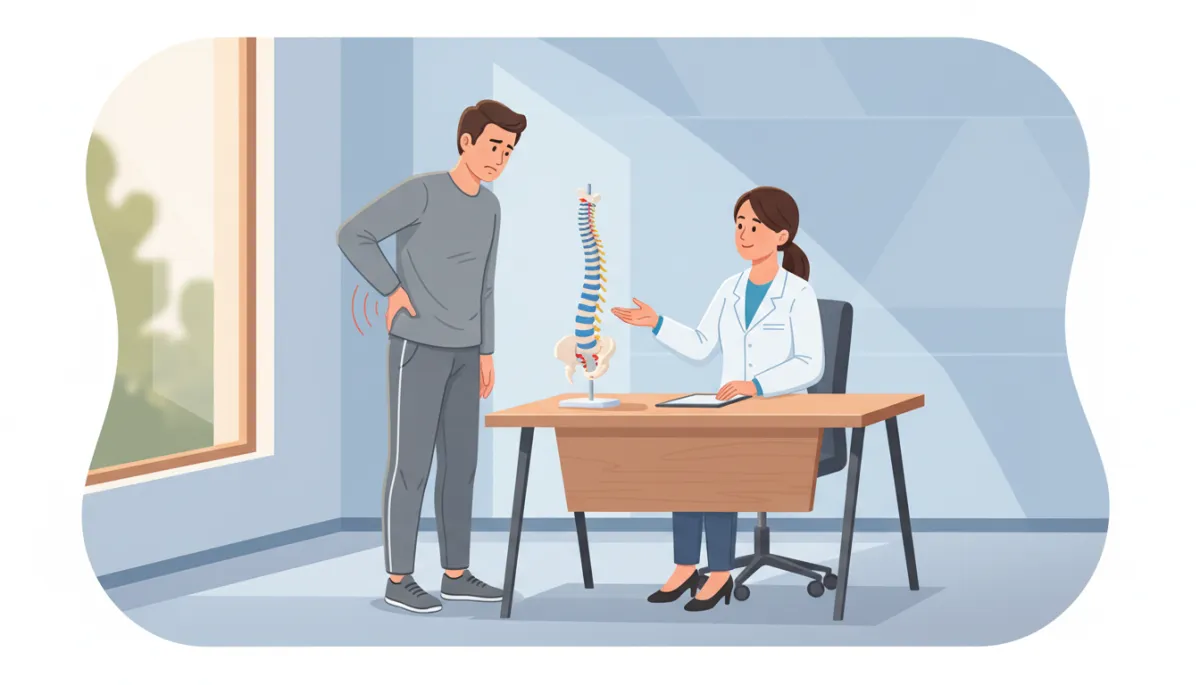
Back pain is common.
But that does not mean it should be ignored.
Sometimes lower back pain comes from a simple muscle strain, poor posture, lifting the wrong way, or sitting too long.
Other times, back pain may be a sign of something more serious — especially if it keeps returning, travels into the hip or leg, causes numbness or tingling, or makes it harder to stand, walk, sleep, or work.
At Connecticut Disc and Laser Therapy Centers in Shelton, CT, we evaluate patients dealing with back pain, sciatica, disc problems, arthritis, nerve irritation, and chronic spinal pain that has not improved with rest, medication, injections, physical therapy, or simply “waiting it out.”
The good news?
Not all back pain requires surgery.
For many patients, advanced non-surgical treatment may help reduce inflammation, improve mobility, calm irritated nerves, decrease pain, and support better function.
In this article, we’ll explain:
what may be causing your back pain
when back pain may be serious
common causes of lower back pain
how disc problems and sciatica may contribute
non-surgical back pain treatment options in Shelton, CT
when to schedule an evaluation
1. Is It Normal for My Back to Hurt?
Back pain is common, but it is not something you should automatically accept as “normal.”
Pain is your body’s way of telling you that something may not be functioning properly.
That problem may involve:
muscles
joints
discs
nerves
ligaments
posture
movement mechanics
arthritis
inflammation
A sore back after heavy lifting or a long day of activity may improve with rest and basic home care.
But back pain that keeps coming back, gets worse over time, or interferes with daily life should be evaluated.
This is especially true if your pain affects:
standing
walking
sitting
sleeping
bending
lifting
driving
working
exercise
If your pain is lasting longer than expected, you can learn more about our approach to Back Pain Treatment in Shelton, CT.
📌 Key Takeaway: Back pain may be common, but recurring or worsening back pain is not something to brush off.
2. Common Causes of Lower Back Pain
Lower back pain can come from several different structures.
That is why guessing often leads to frustration.
A patient may think they “pulled a muscle,” when the real problem is a disc, nerve, joint, or arthritis-related issue.
Common causes of lower back pain include:
muscle strain
disc bulges
herniated discs
sciatica
facet joint irritation
spinal arthritis
degenerative disc disease
poor posture
weak core muscles
repetitive lifting
prolonged sitting
old injuries
nerve compression
spinal stenosis
The right treatment depends on what is actually causing the pain.
That is why a proper examination matters.
📌 Key Takeaway: Lower back pain is not one single condition. It can come from muscles, joints, discs, nerves, arthritis, or movement problems.
3. Could My Back Pain Be Coming From a Disc?
Yes.
Disc problems are one of the most common causes of lower back pain, especially when pain travels into the buttock, hip, leg, or foot.
The discs act like cushions between the bones of the spine.
Over time, or after injury, a disc may become irritated, bulge, herniate, or lose height.
This can contribute to:
lower back pain
hip pain
buttock pain
pain down the leg
numbness or tingling
burning pain
weakness
pain with sitting
pain bending forward
pain coughing or sneezing
Some patients describe disc-related pain as sharp, shooting, electric, burning, or deep and aching.
If a disc irritates a nearby nerve, symptoms may travel away from the lower back and into the leg.
This is where sciatica often enters the picture.
If you have been told you have a disc problem, you may want to learn more about Spinal Decompression Therapy.
4. What Is Sciatica?
Sciatica refers to pain that travels along the sciatic nerve pathway.
It often begins in the lower back or buttock and may travel into the hip, thigh, calf, or foot.
Sciatica symptoms may include:
shooting leg pain
burning pain
numbness
tingling
weakness
pain while sitting
pain that worsens with bending
pain that travels below the knee
Sciatica is not usually the true diagnosis by itself.
It is a symptom of something irritating or compressing the nerve.
Common causes include:
disc bulges
herniated discs
spinal stenosis
arthritis
inflammation
muscle spasm
degenerative changes
You can learn more about conservative care options on ourSciatica Treatment in Shelton, CTpage.
📌 Key Takeaway: Sciatica means the nerve is irritated. The key is figuring out what is irritating it.
5. Can Arthritis Cause Lower Back Pain?
Yes.
Arthritis in the spine is a common cause of chronic lower back pain, especially as people get older.
Spinal arthritis may affect the joints in the lower back and contribute to stiffness, inflammation, and reduced motion.
Arthritis-related back pain may feel worse:
first thing in the morning
after sitting too long
when standing for long periods
when bending backward
after activity
during weather changes
after walking or stairs
Arthritis may also contribute to narrowing around the nerves, which can lead to symptoms into the hips, legs, or feet.
This does not automatically mean surgery is your only option.
Many patients with arthritis-related back pain want to explore non-surgical treatment first, especially when pain is interfering with walking, work, sleep, or daily life.
6. Could Sitting Too Much Be Making My Back Pain Worse?
Absolutely.
Many people spend hours sitting at a desk, in a car, or on a couch.
The lower back was not designed to stay locked in one position all day.
Prolonged sitting can increase stress on the lower back, especially when combined with:
poor posture
weak core muscles
tight hips
disc irritation
lack of movement
poor workstation setup
long commutes
stress-related muscle tension
Sitting-related back pain may feel worse after:
driving
working at a computer
watching TV
long meetings
traveling
getting up from a chair
The solution is not always just “sit up straight.”
The better approach is figuring out why your spine is not tolerating sitting well.
Sometimes the problem is muscular.
Sometimes it is disc-related.
Sometimes it is joint-related.
Often, it is a combination.
7. When Is Back Pain Serious?
Some back pain should be evaluated sooner rather than later.
You should seek professional evaluation if your back pain:
lasts more than a few weeks
keeps returning
travels into the hip or leg
causes numbness or tingling
causes weakness
interferes with sleep
makes walking difficult
gets worse despite rest
limits work or daily activities
started after a fall or accident
does not improve with prior treatment
⚠️ Important: Seek urgent medical care if you experience loss of bowel or bladder control, numbness in the groin/saddle area, severe weakness, fever with back pain, unexplained weight loss, or severe pain after major trauma.
Those symptoms may require immediate medical attention.
8. Non-Surgical Back Pain Treatment Options in Shelton, CT
At Connecticut Disc and Laser Therapy Centers, we focus on advanced non-surgical treatment options for back pain, sciatica, disc problems, nerve irritation, joint pain, and musculoskeletal conditions.
Treatment depends on what is actually causing your pain.
The goal is not to use the same treatment plan for every back pain patient.
The goal is to identify the source of the problem and build a plan around it.
Chiropractic Care for Back Pain
Chiropractic care may help improve spinal mobility, reduce stiffness, and address joint dysfunction that may contribute to pain.
For lower back pain, chiropractic care may help with:
restricted movement
muscle guarding
joint irritation
postural stress
stiffness
mechanical back pain
mobility problems
Treatment should always be based on the patient’s symptoms, examination findings, and tolerance.
Spinal Decompression Therapy
Spinal Decompression Therapy is a non-surgical treatment option designed for certain disc-related conditions.
It may be considered for patients dealing with:
herniated discs
bulging discs
degenerative discs
disc-related back pain
sciatica
nerve irritation
pain that travels into the leg
The goal is to help reduce pressure and irritation affecting the spine and nerves.
Not every back pain patient is a decompression candidate, which is why evaluation matters.
MLS Laser Therapy
MLS Laser Therapy uses specific wavelengths of light designed to penetrate deeper tissues and support healing at the cellular level.
For back pain, MLS Laser Therapy may help:
reduce inflammation
decrease pain
improve circulation
calm irritated soft tissues
support tissue recovery
improve mobility
reduce stiffness
MLS Laser Therapy is non-invasive, comfortable, and requires no downtime.
It may be helpful for patients dealing with chronic back pain, soft tissue irritation, inflammation, and pain that has not fully responded to basic home care.
emField Pro High Energy Inductive Therapy
emField Pro High Energy Inductive Therapy, also known as HEIT, uses high-intensity electromagnetic energy to stimulate deeper tissues.
For the right back pain patient, HEIT may help support:
deep tissue stimulation
muscle activation
circulation
mobility
pain reduction
soft tissue recovery
reduction of muscle spasm
This can be especially helpful when deeper muscle, joint, and soft tissue structures are involved.
HEIT is not the same as simple surface stimulation.
It is designed to reach deeper tissues and may be used as part of a broader non-surgical treatment plan.
Conservative Spine and Movement Care
Depending on the patient, treatment may also include:
joint mobility work
soft tissue therapy
posture recommendations
corrective exercise guidance
core strengthening strategies
walking and movement analysis
activity modification
home care recommendations
ergonomic advice
The goal is to help reduce pain, improve mobility, and support better long-term function.
9. Why Patients in Shelton Choose Connecticut Disc and Laser Therapy Centers
Patients often come to our office after trying:
rest
ice
heat
medications
stretching
massage
physical therapy
injections
generic exercises
“wait and see”
Many are frustrated because they still cannot sit, stand, walk, sleep, work, or exercise comfortably.
At Connecticut Disc and Laser Therapy Centers in Shelton, CT, we focus on advanced non-surgical care for chronic back pain, sciatica, disc conditions, neck pain, nerve irritation, joint pain, and musculoskeletal conditions.
Our goal is to help patients reduce pain, improve mobility, and explore conservative options before turning to more invasive procedures whenever possible.
You can learn more about Dr. James J. Dalfino and his clinical background on our website.
10. When Should You Schedule an Evaluation?
You should consider scheduling an evaluation if your back pain:
has lasted more than a few weeks
keeps returning
is getting worse
travels into the hip or leg
causes numbness or tingling
affects sitting or standing
makes walking difficult
interferes with sleep
limits exercise
has not improved with prior treatment
is starting to affect your quality of life
The earlier back pain is evaluated, the more conservative options patients often have.
Waiting until pain becomes severe can make treatment more complicated.
Related Articles and Pages
For more information, these pages may be helpful:
Back Pain Treatment in Shelton, CT
Spinal Decompression Therapy
Sciatica Treatment in Shelton, CT
MLS Laser Therapy
emField Pro High Energy Inductive Therapy
Chiropractic Care in Shelton, CT
Neck Pain Treatment in Shelton, CT
Meet Dr. James J. Dalfino
Contact Connecticut Disc and Laser Therapy Centers
Bottom Line
Back pain is common, but it should not be ignored when it keeps returning, travels into the leg, causes numbness or tingling, limits walking, affects sleep, or interferes with daily life.
The key is finding out what is actually causing the pain.
At Connecticut Disc and Laser Therapy Centers in Shelton, CT, we help patients explore advanced non-surgical options designed to reduce pain, improve mobility, calm irritated tissues, and support better function without unnecessary procedures whenever possible.
New Patient Special — $99
Comprehensive Consultation, Examination, Report of Findings, and First Treatment Included.
Connecticut Disc and Laser Therapy Centers
Dr. James J. Dalfino
2 Trap Falls Road | Suite 208 | Shelton, CT 06484
Office: 203-922-9277
Website: Connecticut Disc and Laser Therapy Centers


