Woke Up with Neck Pain and Can’t Turn Your Head? What It Means in Shelton, CT
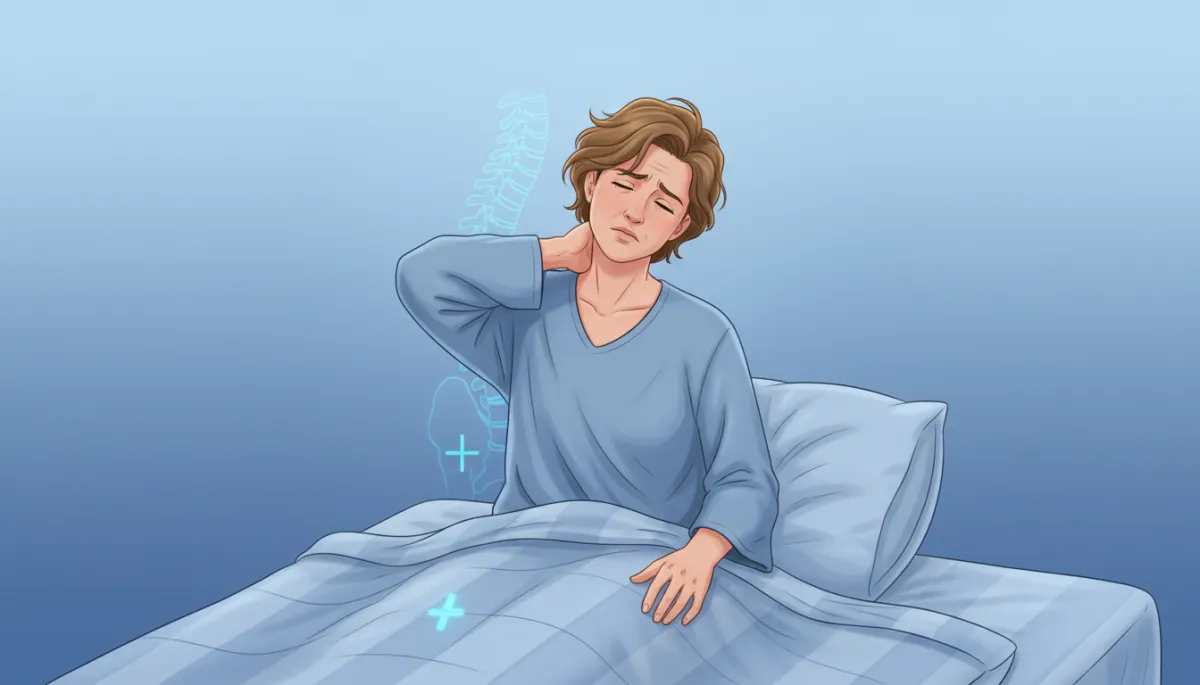
Learn the most common causes of sudden neck pain, when it’s time to see a doctor, and how Connecticut Disc and Laser Therapy Center offers personalized, non-surgical treatment options to help you get lasting relief.
If you woke up in the morning with neck pain so intense that you cannot even turn your head, you might assume you just slept the wrong way or need a new pillow. But if the pain doesn’t go away—and instead starts to travel into your shoulders and arms—it’s time to pay closer attention.
Neck pain is a significant public health issue that affects people of all ages. Approximately 80% of the population has experienced neck pain at least once in their lifetime. Among them, 20% to 70% of adults will experience neck pain during their lifetime that interferes with their normal daily activities.
Furthermore, neck discomfort ranked 4th in terms of disability as assessed by years lived with disability (YLDs), and 21st in terms of overall burden, according to the National Center for Biotechnology Information’s Global Burden of Disease 2010 Study.
📌 Key Takeaway: Occasional stiffness is common—but neck pain that lingers, spreads, or limits your movement deserves a professional evaluation.
1. What Is Causing My Neck Pain?
There are several reasons your neck may be hurting. Causes can range from something minor—like an awkward sleeping position—to more serious issues such as injuries or underlying medical conditions.
Below are some of the most common reasons you may be feeling neck pain.
Nerve Compression
The neck is closely connected to the shoulders, arms, back, jaw, head, and spine. Nerve compression is a frequent cause of neck pain. Herniated discs or bone spurs in the vertebrae of your neck can irritate nerves branching out from the spinal cord, leading to pain, tingling, or weakness that may travel down the arm.
Injury
Injuries are one of the primary reasons neck pain occurs. Internal or external forces can damage delicate tissues in your neck. Because the neck is not shielded by other bones or large muscles, it is especially vulnerable to direct injury.
Your neck is at higher risk during falls, vehicle accidents, and contact sports, where the muscles and ligaments of the neck may be forced beyond their normal range of motion. Even a seemingly minor car accident can harm internal tissues and cause nerve strain or, in rare cases, blood clots.
Whiplash injuries—caused by a rapid back-and-forth jerking of the head—are common in rear-end collisions. Whiplash strains the soft tissues of the neck and can lead to pain, stiffness, headaches, and reduced range of motion.
Muscle Tension and Strain
Muscle strains are frequently caused by overuse of the neck muscles—such as spending too much time slumped over a computer or smartphone. Even small habits like reading in bed without proper support or clenching your jaw can strain the muscles in your neck.
Overworking these muscles for long periods can cause fatigue and pain. Sudden movements or poor sleeping posture can also trigger muscle strain and stiffness.
💡 Pro Tip: Simple changes—like adjusting your monitor height, using a supportive pillow, and taking stretch breaks—can significantly reduce everyday neck tension.
Aging and Diseases
Certain diseases can trigger neck pain, and the natural aging process can also play a role. Over time, bones may weaken due to calcium deficiency, and the cervical discs in your neck can begin to degenerate.
Aging can lead to conditions like arthritis. Arthritis is a medical condition in which joints become swollen and inflamed. The most frequent symptoms are joint and muscle stiffness. Patients may also experience inflammation and difficulty moving their joints smoothly.
Neck discomfort and headaches at the back of the head are often associated with this inflammation and swelling in the neck region. Movement can become painful, especially after periods of inactivity.
Meningitis can also cause neck pain because your spine extends up into your neck, forming the cervical spine, which consists of seven vertebrae. Meningitis is a serious condition in which the thin tissue surrounding the brain and spinal cord becomes inflamed. Fever and headache are common symptoms, along with a stiff neck. Meningitis requires prompt medical attention.
“Persistent or worsening neck pain—especially when combined with fever, numbness, or weakness—should never be ignored. Early evaluation can prevent more serious complications.”
2. When Should I See a Doctor for Neck Pain?
If your severe neck pain occurs as a result of an injury—such as a car accident, a diving accident, or a fall—seek medical help as soon as possible. Do not wait for the pain to “work itself out.”
In other situations, if you wake up with neck pain and it does not improve within a week, you should consult a medical professional.
Numbness, tingling, or weakness in your shoulders, arms, or hands
Neck pain that starts to radiate down your arms
Difficulty lifting or using one or both arms
Inability to touch your chest with your chin due to severe pain
If you notice any of these warning signs, you should visit a doctor promptly for a thorough evaluation.
⚠️ Warning: Seek emergency care right away if neck pain is accompanied by fever, severe headache, confusion, trouble walking, or loss of bladder/bowel control.
3. Where Can I Get Treatment for My Neck Pain?
Woke Up with Neck Pain Can’t Turn My Head
As neck pain becomes a more frequent medical concern, many health centers, clinics, and hospitals now offer treatment. But to address the problem effectively and long term, it’s important to choose not just any care—but the right type of care.
One of the best options for neck pain treatment is available at the Connecticut Disc and Laser Therapy Center located in Shelton, CT.
Their cutting-edge technology and highly qualified medical professionals—with more than 21 years of experience—set them apart from other clinics. All treatments are non-surgical, which means you do not have to undergo cutting or bleeding. Many patients are able to return to normal activities within just a few visits.
💡 Pro Tip: Have questions about your neck pain? Call 203-922-9277 to speak with the team at Connecticut Disc and Laser Therapy Center.
4. What We Offer at Connecticut Disc and Laser Therapy Centers
The Connecticut Disc and Laser Therapy Centers provide several treatment options to help patients with chronic musculoskeletal pain, including neck pain. A key part of their approach is personalization—they recognize that not every treatment is right for every patient.
The team performs a thorough evaluation, reviews your medical history, and recommends the treatment plan that is most likely to work for you. They offer four different non-invasive, non-surgical therapies to address chronic pain.
Pain Management with Advanced Technologies
The pain management methods used at the center are designed to relieve pain at its source and support long-term healing. Instead of relying on major surgery or long-term medications, the team uses advanced technologies—such as therapeutic light and High Energy Inductive therapy (the Emfield Pro)—to help stimulate the body’s natural repair processes.
A controlled range of visible light or focused electromagnetic fields is applied to the affected region to support cellular healing and reduce pain. These therapies are non-invasive and aim to improve function without downtime.
When visible light waves are used, the treatment is called Deep Tissue High Powered Laser Therapy. When High Energy Inductive therapy is applied using the Emfield Pro device, targeted electromagnetic fields are used to stimulate deep tissues and help reduce pain and muscle tension. Both are advanced technologies and have been effective in a high percentage of cases.
Chiropractic Care
Chiropractic care focuses on the structure of the body, particularly the spine. Chiropractors use precise, gentle adjustments to realign the spine, reduce pain, improve function, and support the body’s natural healing ability. The goal is to alleviate pain and help patients better manage their conditions over the long term.
Renowned chiropractor Dr. Dalfino provides specialized chiropractic care exclusively at Connecticut Disc and Laser Therapy Center.
Laser Therapy
Laser therapy uses concentrated light waves that penetrate the skin over the affected area to treat acute or chronic pain. The wavelength of the light typically ranges from visible to near-infrared (around 670–950 nm).
Unlike traditional surgery, laser therapy is non-invasive and does not damage surrounding tissues. Sessions usually take about 30–45 minutes, and there are no incisions, scars, or swallowing difficulties afterward.
Non-Surgical Spinal Decompression
Non-surgical spinal decompression is a type of treatment that uses motorized traction to gently stretch the spine and relieve pressure in specific areas.
By carefully stretching the spine, spinal decompression can reduce the pressure caused by herniated or bulging discs. This can help relieve pain, improve mobility, and support healing. For people with chronic neck pain, non-surgical spinal decompression can be an excellent therapy option.
Patients also receive clear home-care instructions to support faster recovery. The medical staff is friendly, attentive, and focused on making the whole process as comfortable as possible. First-time patients can often receive a complimentary consultation and free reports to better understand their condition and treatment options.
📌 Key Takeaway: Every treatment plan is tailored to your specific condition—combining technologies like laser therapy, High Energy Inductive therapy (the Emfield Pro), chiropractic care, and spinal decompression when appropriate.
5. Conclusion: Don’t Ignore Persistent Neck Pain
Many people experience neck discomfort or stiffness from time to time—often due to poor posture or overuse. But if your neck pain is not related to a clear minor strain, lasts longer than a week, is severe, or is accompanied by other concerning symptoms, you may have a more serious issue that requires medical attention.
Seek medical help as soon as possible if your symptoms persist or worsen. Reach out to the Connecticut Disc and Laser Therapy Center in Shelton, Connecticut, to get a proper diagnosis and explore non-surgical treatment options that can help you address your neck pain at its source.
To schedule an appointment or ask questions, call 203-922-9277 or book online today.
New Patient Special at Connecticut Disc and Laser Therapy Centers
New Patient Special — $99 Comprehensive Consultation, Examination, Report of Findings, and First Treatment Included.
Connecticut Disc and Laser Therapy Centers
Dr. James J. Dalfino
2 Trap Falls Road | Suite 208 | Shelton, CT 06484
Office: 203-922-9277
Website: Connecticut Disc and Laser Therapy Centers


