What Is Patellofemoral Pain? Kneecap Pain Causes and Treatment Options in Shelton, CT
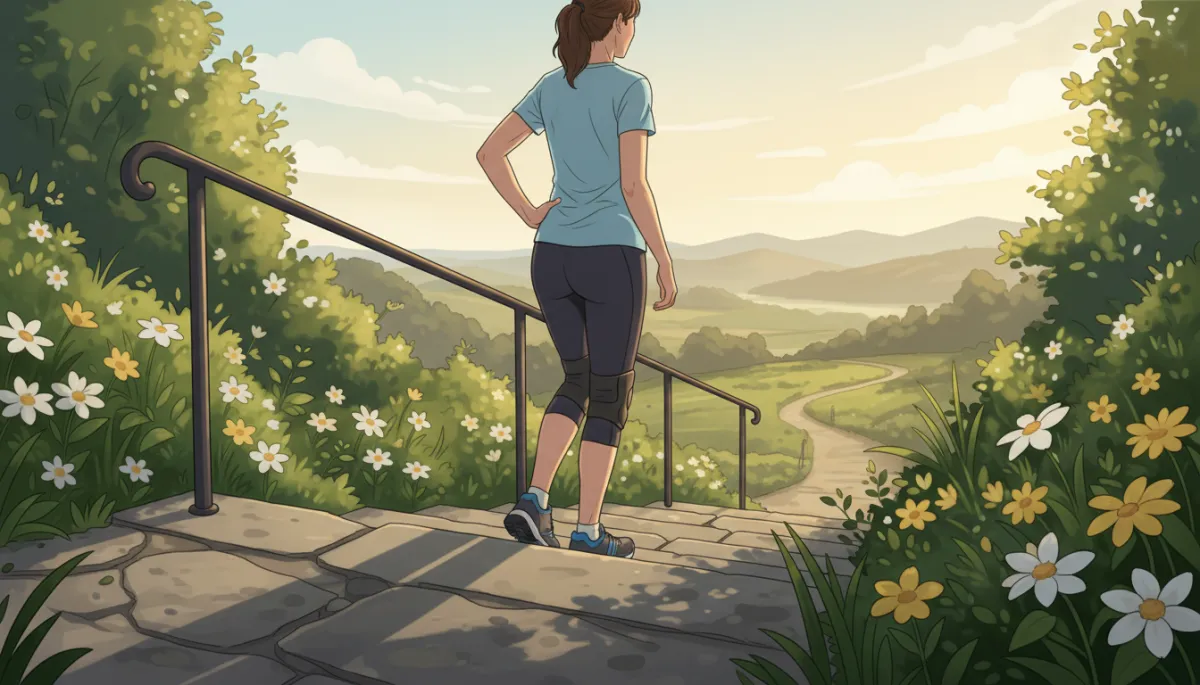
Kneecap pain is common.
But that does not mean it should be ignored.
Sometimes pain around the kneecap comes from overuse, running, stairs, squatting, or sitting too long with the knees bent.
Other times, kneecap pain may be related to patellofemoral pain syndrome, poor kneecap tracking, muscle imbalance, weak hip control, flat feet, ankle mechanics, or movement problems that keep placing stress on the front of the knee.
At Connecticut Disc and Laser Therapy Centers in Shelton, CT, we evaluate patients dealing with knee pain, kneecap pain, patellofemoral pain, pain walking stairs, soft tissue irritation, joint pain, and movement-related problems that have not improved with rest, braces, medications, stretching, physical therapy, injections, or simply “waiting it out.”
The good news?
Not every case of kneecap pain requires surgery, injections, or long-term medication.
For many patients, advanced non-surgical treatment may help reduce inflammation, improve mobility, calm irritated tissues, and support better knee function.
In this article, we’ll explain:
what patellofemoral pain is
why pain develops around the kneecap
how the kneecap is supposed to move
why muscle timing and tracking matter
non-surgical treatment options in Shelton, CT
when to schedule an evaluation
1. What Is Patellofemoral Pain?
Patellofemoral pain is pain around or behind the kneecap.
The kneecap is called the patella.
The area where the kneecap interacts with the thigh bone is called the patellofemoral joint.
When that area becomes irritated, painful, or poorly controlled during movement, symptoms can develop in the front of the knee.
Patellofemoral pain may cause:
pain around the kneecap
pain behind the kneecap
pain walking stairs
pain squatting
pain kneeling
pain running
pain jumping
pain after sitting too long
pain getting out of a chair
clicking or grinding
mild swelling
difficulty with weight-bearing activity
Some patients say:
“My knee hurts around the kneecap, especially when I go up or down stairs.”
That is a very common pattern.
If your main issue is knee pain, you can learn more about our approach on the Knee Pain Treatment in Shelton, CT page.
📌 Key Takeaway: Patellofemoral pain usually means the area around or behind the kneecap is irritated, often during stairs, squats, running, or prolonged sitting.
2. Why the Kneecap Matters
The kneecap is small, but it does an important job.
It acts like a pulley for the quadriceps muscles in the front of the thigh.
When the knee bends and straightens, the kneecap is supposed to glide smoothly in a groove at the end of the thigh bone.
When that movement is smooth, the knee usually works well.
When the kneecap does not track properly, the joint can become irritated.
That may lead to pain, stiffness, swelling, grinding, or discomfort with movement.
The kneecap can be affected by:
quadriceps strength
hip control
foot mechanics
ankle movement
muscle timing
running mechanics
walking patterns
squat mechanics
old injuries
repetitive stress
The knee does not function in isolation.
The hip, foot, ankle, and lower back can all affect how stress moves through the kneecap.
📌 Key Takeaway: The kneecap is part of a larger movement system. If the hip, foot, ankle, or thigh muscles are not working well, kneecap pain may keep returning.
3. How the Kneecap Is Supposed to Track
When you bend and straighten your knee, the kneecap should glide up and down in its track.
That motion is controlled by the quadriceps muscles, hip muscles, soft tissues, and the overall alignment of the leg.
If the kneecap is pulled too much in one direction, or if the muscles around the knee are not controlling the motion well, irritation can develop.
Poor kneecap tracking may contribute to:
pain in the front of the knee
pain on stairs
pain with squats
pain with running
clicking or grinding
feeling of pressure behind the kneecap
pain after sitting with the knee bent
stiffness after activity
This is why patellofemoral pain is often not just about the kneecap itself.
It is about how the kneecap moves during real activity.
Walking matters.
Stairs matter.
Squatting matters.
Running and jumping mechanics matter.
📌 Key Takeaway: Kneecap pain often develops when the patella is not tracking or loading well during movement.
4. Why Muscle Balance and Timing Matter
The quadriceps muscles help control the kneecap.
One key muscle near the inner part of the thigh helps guide the kneecap inward and stabilize it during knee extension.
If that stabilizing control is weak, delayed, or poorly coordinated, the kneecap may not glide as smoothly.
That can place more stress on the patellofemoral joint.
Contributors may include:
weak quadriceps
poor vastus medialis control
weak glutes
poor hip stability
tight quadriceps
tight hamstrings
poor foot control
flat feet
ankle pronation
poor single-leg balance
poor squat mechanics
This is why generic knee exercises do not always work.
A patient may need a plan that addresses the knee, hip, foot, ankle, and lower-body movement pattern.
That is the part people miss.
They chase pain around the kneecap without fixing the mechanics that keep irritating it.
5. Common Symptoms of Patellofemoral Pain
Patellofemoral pain can show up in different ways.
Common symptoms include:
pain around the kneecap
pain behind the kneecap
pain going up stairs
pain going down stairs
pain squatting
pain kneeling
pain running
pain jumping
pain sitting with knees bent
pain getting up from a chair
clicking or grinding
mild swelling
tightness in the front of the knee
feeling like the kneecap is irritated or unstable
Some patients feel pain during activity.
Others feel worse afterward.
Some notice it most after sitting for a long time and then standing up.
The pattern matters because it helps identify what is irritating the knee.
6. Warning Signs You Should Not Ignore
Some knee symptoms should be evaluated sooner rather than later.
You should consider a professional evaluation if your knee pain involves:
pain lasting more than a few weeks
pain that keeps returning
pain walking stairs
pain squatting or kneeling
swelling
limping
difficulty bearing weight
knee buckling or giving out
locking or catching
pain after a fall or twist
pain that affects sleep
pain that limits sports or exercise
pain that has not improved with rest
pain that keeps coming back after physical therapy
These symptoms may suggest patellofemoral pain, tendon irritation, joint inflammation, meniscus involvement, tracking problems, or another issue that should be evaluated.
⚠️ Important: If you cannot bear weight, have major swelling after injury, notice obvious deformity, develop fever with redness or warmth, or feel like something is seriously wrong, seek urgent medical care.
7. Non-Surgical Treatment Options in Shelton, CT
At Connecticut Disc and Laser Therapy Centers, we focus on advanced non-surgical treatment options for kneecap pain, patellofemoral pain, joint pain, soft tissue irritation, inflammation, movement problems, and musculoskeletal conditions.
Treatment depends on what is actually causing the pain.
The goal is not to use the same treatment plan for every knee pain patient.
The goal is to identify what is driving the pain and build the plan around that.
Chiropractic and Movement-Based Care
Chiropractic care may help improve joint mobility, reduce stiffness, and address movement problems that may contribute to kneecap stress.
For patellofemoral pain, care may focus on:
foot and ankle mechanics
knee mobility
hip mobility
lower-body alignment
walking patterns
squat mechanics
single-leg control
muscle guarding
soft tissue tightness
activity modification
The goal is to help the knee move and load better.
That may mean improving how the hip, foot, ankle, and knee work together.
MLS Laser Therapy
MLS Laser Therapy uses specific wavelengths of light designed to penetrate deeper tissues and support healing at the cellular level.
For patellofemoral pain and knee irritation, MLS Laser Therapy may help:
reduce inflammation
decrease pain
improve circulation
calm irritated soft tissues
support tissue recovery
reduce stiffness
improve mobility
MLS Laser Therapy is non-invasive, comfortable, and requires no downtime.
It may be used when inflammation, soft tissue irritation, or chronic knee discomfort is part of the problem.
emField Pro High Energy Inductive Therapy
emField Pro High Energy Inductive Therapy, also known as HEIT, uses high-intensity electromagnetic energy to stimulate deeper tissues.
For the right knee pain patient, HEIT may help support:
deep tissue stimulation
muscle activation
circulation
mobility
pain reduction
soft tissue recovery
reduction of muscle spasm
This can be especially helpful when deeper muscle, tendon, joint, or soft tissue structures are involved.
HEIT is not the same as simple surface stimulation.
It is designed to reach deeper tissues and may be used as part of a broader non-surgical treatment plan.
Corrective Exercise and Kneecap Tracking
Corrective exercise is often important for patellofemoral pain.
The goal is to improve control through the hip, knee, foot, and ankle.
A plan may include:
quadriceps strengthening
vastus medialis activation
hip strengthening
glute activation
hamstring strengthening
arch support exercises
balance work
single-leg stability
step-down control
squat mechanics
lower-body mobility
core control
The goal is not just to make the knee stronger.
The goal is to improve how the entire lower limb controls motion during walking, stairs, squatting, running, and daily activity.
📌 Key Takeaway: Kneecap pain usually needs more than generic knee exercises. Hip control, foot mechanics, and movement quality matter too.
8. When Should You Get Checked?
You should consider scheduling an evaluation if your kneecap pain:
lasts more than a few weeks
keeps returning
hurts on stairs
hurts with squats or kneeling
causes swelling
limits walking
limits running or exercise
causes limping
makes the knee feel unstable
does not improve with rest
has not improved with prior treatment
is starting to affect your quality of life
The earlier knee pain is evaluated, the more conservative options patients often have.
Waiting until pain becomes severe can make treatment more complicated.
9. Why Patients in Shelton Choose Connecticut Disc and Laser Therapy Centers
Patients often come to our office after trying:
rest
ice
braces
stretching
medications
physical therapy
injections
generic exercises
shoe inserts
“wait and see”
Many are frustrated because they still cannot walk, use stairs, squat, kneel, run, exercise, or move comfortably.
At Connecticut Disc and Laser Therapy Centers in Shelton, CT, we focus on advanced non-surgical care for knee pain, kneecap pain, joint pain, soft tissue pain, sports injuries, nerve irritation, spine pain, and musculoskeletal conditions.
Our goal is to help patients reduce pain, improve mobility, and explore conservative treatment options whenever possible.
You can learn more about Dr. James J. Dalfino and his clinical background on our website.
Related Articles and Pages
For more information, these pages may be helpful:
Knee Pain Treatment in Shelton, CT
MLS Laser Therapy
emField Pro High Energy Inductive Therapy
Chiropractic Care in Shelton, CT
Hip Pain Treatment
Back Pain Treatment in Shelton, CT
Contact Connecticut Disc and Laser Therapy Centers
Bottom Line
Patellofemoral pain is common, but it should not be ignored when pain around the kneecap keeps returning, affects stairs, limits walking, causes swelling, or interferes with exercise and daily life.
The key is finding out what is actually causing the kneecap irritation.
At Connecticut Disc and Laser Therapy Centers in Shelton, CT, we help patients explore advanced non-surgical options designed to reduce pain, improve mobility, calm irritated tissues, and support better knee function whenever possible.
New Patient Special — $99
Comprehensive Consultation, Examination, Report of Findings, and First Treatment Included.
Connecticut Disc and Laser Therapy Centers
Dr. James J. Dalfino
2 Trap Falls Road | Suite 208 | Shelton, CT 06484
Office: 203-922-9277
Website: Connecticut Disc and Laser Therapy Centers


