Chronic Lower Back Pain Treatment in Shelton, CT
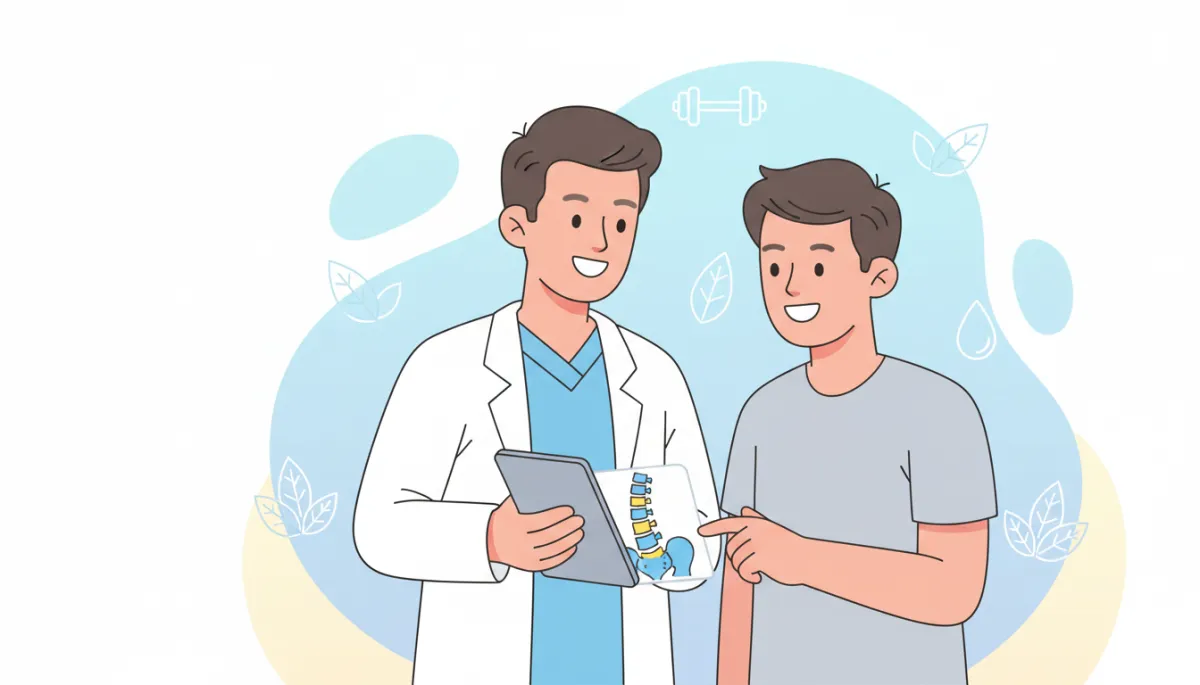
Lower back pain can make everyday life feel like a challenge. Simple activities such as walking, standing in line, or sitting at your desk may turn into constant reminders that something is not right with your spine.
Many people notice that back pain makes it harder to sleep comfortably, drive, lift groceries, exercise, or keep up with family activities. Over time, this can affect your mood, energy, and overall quality of life.
At Connecticut Disc and Laser Therapy Centers in Shelton, CT, we evaluate patients dealing with chronic lower back pain, sciatica, disc problems, arthritis-related stiffness, and other spine-related conditions that may be limiting your daily activities.
The good news?
Chronic lower back pain does not automatically mean you need surgery, injections, or long-term medication. For the right patient, advanced non-surgical treatment options may help reduce pain, improve mobility, calm irritated tissues, and support better function—often as part of a comprehensive, conservative care plan.
Chronic Lower Back Pain: Causes, Symptoms, and Non-Surgical Treatment Options in Shelton, CT
Chronic lower back pain is generally defined as pain that lasts 12 weeks or longer. Unlike a short-term flare-up from lifting something heavy or sleeping awkwardly, chronic pain often lingers, returns frequently, or never fully goes away without proper care. It tends to be more common in older adults due to natural wear and tear, but it can affect people of many ages and activity levels.
In This Article, We’ll Explain:
What chronic lower back pain is and how it affects daily life
Common causes of ongoing lower back pain
Warning signs you should not ignore
How disc problems and nerve irritation can trigger pain, numbness, or weakness
Why some back pain becomes chronic instead of healing on its own
When imaging and a detailed evaluation may be helpful
How advanced non-surgical treatments like Spinal Decompression Therapy may help support healing
How MLS Laser Therapy may help calm irritated tissues and support recovery
What emField Pro High Energy Inductive Therapy is and how it may help certain patients
The role of chiropractic and movement-based care in a non-surgical plan
Lifestyle tips that may support a healthier lower back
Why patients in Shelton choose Connecticut Disc and Laser Therapy Centers
1. What Is Chronic Lower Back Pain?
Lower back pain is considered chronic when it lasts for 12 weeks or longer, even after the initial injury or strain should have healed. Some people experience constant pain, while others notice recurring flare-ups that come and go over months or years.
Chronic pain can make it difficult to bend, twist, or lift. You may feel stiff getting out of bed, uncomfortable sitting through a workday, or sore after driving for long periods. Over time, this can limit your ability to stay active and enjoy the things you love.
2. How Chronic Lower Back Pain Affects Daily Life
Chronic lower back pain is more than just an ache—it can affect nearly every part of your day. Patients often report that pain or stiffness interferes with:
Walking around the house, at work, or in the community
Standing for cooking, cleaning, or job-related tasks
Sitting for computer work, commuting, or watching TV
Sleeping comfortably through the night or finding a pain-free position
Lifting children, laundry baskets, or groceries safely
Exercising, gardening, or participating in hobbies and sports
When pain limits movement, many people become less active, which may further weaken muscles and stiffen joints. This can create a cycle where pain leads to less movement, and less movement leads to more pain.
3. Common Causes of Chronic Lower Back Pain
When lower back pain lasts for three months or longer, it often means the underlying problem has gone beyond the body’s natural ability to heal on its own. Several structural issues in the spine may contribute to ongoing pain and stiffness.
Lumbar Herniated Disc
A lumbar herniated disc occurs when the soft, gel-like center of a spinal disc pushes through the tougher outer layer. This material can irritate or compress nearby nerves, which may cause sharp pain, numbness, tingling, or weakness in the lower back, buttocks, or legs.
Degenerative Disc Disease
Over time, spinal discs can lose hydration and height. This process—often called degenerative disc disease—may reduce the disc’s ability to absorb shock and support normal movement. As the disc wears down, small tears may develop, sometimes contributing to disc bulges or herniations and ongoing lower back pain.
Facet Joint and Sacroiliac (SI) Joint Dysfunction
The facet joints in the back of the spine help guide motion. When these joints become irritated, inflamed, or arthritic, they may cause localized lower back pain, especially with bending or twisting. Similarly, the sacroiliac joint, which connects the spine to the pelvis, can become painful if it moves too much—or too little—leading to pain in the lower back, hips, or buttocks.
Osteoarthritis and Spinal Wear and Tear
Osteoarthritis develops when the protective cartilage in joints wears down over time. In the spine, this can affect the discs and facet joints, leading to inflammation, stiffness, and pain. These changes may also contribute to bone spurs and narrowing around the nerves.
Abnormal Spinal Curvature
Conditions such as scoliosis (sideways curvature) or kyphosis (excessive forward rounding) can place extra stress on the discs, facet joints, and sacroiliac joints. Over time, this may lead to pain, fatigue, and increased wear and tear in certain areas of the lower back.
4. Why Some Lower Back Pain Becomes Chronic
Many people recover from a simple back strain within a few weeks. However, when pain lasts longer than 12 weeks, it may indicate that the underlying structures—such as discs, joints, ligaments, or nerves—have not fully healed or continue to be stressed by posture, repetitive motions, or lifestyle factors.
In addition, the nervous system can sometimes become more sensitive over time, making pain signals easier to trigger. This is one reason why a comprehensive approach that addresses both the physical structures and movement patterns of the spine may be helpful for the right patient.
5. Disc Problems, Nerve Irritation, and Sciatica-Like Symptoms
When a disc bulges or herniates, it can press on or irritate nearby nerve roots that travel down into the legs. This may cause symptoms such as shooting pain, burning, numbness, tingling, or weakness—often referred to as sciatica when the sciatic nerve is involved.
Not everyone with a disc issue will have leg symptoms, and not all leg pain comes from the spine. That is why a careful examination is important. For patients with confirmed disc-related problems, non-surgical options such as Spinal Decompression Therapy may be considered as part of a broader treatment plan.
To learn more about how our office approaches back and leg pain, visit our page on Sciatica Treatment in Shelton, CT.
6. Warning Signs You Should Not Ignore
While many causes of lower back pain are mechanical and non-emergency, certain symptoms require prompt medical attention. You should seek immediate care if you experience:
Sudden, severe weakness in one or both legs
Loss of control of your bladder or bowels
Numbness in the groin or “saddle” area
Unexplained fever, weight loss, or history of cancer with new back pain
These signs may indicate a more serious condition that should be evaluated immediately by a medical professional. For non-emergency but persistent pain, a thorough evaluation at a clinic experienced in spine care may help identify appropriate next steps.
7. Evaluation and Imaging for Chronic Lower Back Pain
A careful evaluation typically begins with a detailed history and physical examination. Your provider may ask about when your pain started, what makes it better or worse, and how it affects your daily life. They may also check your posture, range of motion, muscle strength, reflexes, and nerve function.
In some cases, imaging such as X-rays or MRI may be recommended to better understand the condition of your discs, joints, and nerves. Imaging alone does not determine treatment, but it can help guide a more personalized, non-surgical plan when combined with your symptoms and examination findings.
Note: Not every patient needs advanced imaging right away. The decision is based on your specific history, symptoms, and clinical findings.
8. Spinal Decompression Therapy: A Non-Surgical Option for Disc-Related Pain
For patients with certain types of disc problems or nerve irritation, Spinal Decompression Therapy may be considered as part of a non-surgical treatment plan. This technology uses a computer-controlled table to gently stretch and relax the spine in specific cycles.
The goal is to create a mild negative pressure inside the disc, which may help draw fluid and nutrients into the disc and reduce pressure on nearby nerves. For the right patient, this approach may help support healing, reduce pain, and improve comfort with sitting, standing, or walking. Individual results vary, and a proper evaluation is necessary to determine whether this therapy is appropriate for your condition.
To see how our office integrates decompression with other advanced treatments, visit our page on Back Pain Treatment in Shelton, CT.
9. MLS Laser Therapy: Supporting Tissue Healing and Comfort
MLS Laser Therapy is an advanced form of laser technology used to deliver specific wavelengths of light to targeted tissues. This light energy may help promote circulation, reduce local inflammation, and support the body’s natural healing processes in muscles, ligaments, and joints.
For patients with chronic lower back pain, MLS Laser Therapy may be used alongside other non-surgical treatments to help calm irritated tissues and improve comfort. Treatments are non-invasive, and many patients find them to be well tolerated. As always, individual responses vary, and your provider will determine whether this approach is appropriate for your specific condition.
10. emField Pro High Energy Inductive Therapy: Advanced Support for Muscles and Nerves
emField Pro High Energy Inductive Therapy uses high-intensity electromagnetic fields to stimulate muscles and tissues without direct contact. This technology may help support muscle activation, circulation, and comfort in certain patients with chronic pain or muscle tightness.
When appropriate, emField Pro may be combined with decompression, laser therapy, and other non-surgical treatments as part of a personalized plan. The goal is to address multiple aspects of your condition—such as muscle tension, nerve irritation, and joint stiffness—in a coordinated way.
11. Chiropractic and Movement-Based Care for Lower Back Pain
Gentle chiropractic care and movement-based therapies may play an important role in managing chronic lower back pain. At our office, Chiropractic Care in Shelton, CT focuses on improving joint motion, spinal alignment, and nervous system function when appropriate for the patient’s condition.
Movement-based care may include specific exercises, stretches, and posture strategies designed to support the spine and surrounding muscles. For the right patient, these approaches may help reduce stiffness, improve mobility, and make it easier to sit, stand, and move throughout the day.
Individual treatment plans are customized based on your evaluation. Not every patient will receive the same combination of therapies.
12. Lifestyle Tips That May Support a Healthier Lower Back
While advanced technologies can be helpful, day-to-day habits also matter. Some simple lifestyle strategies that may support a healthier lower back include:
Practicing good posture while sitting, standing, and using digital devices
Taking regular movement breaks during long periods of sitting or driving
Using proper lifting techniques—bending at the hips and knees, not just the waist
Engaging in low-impact activities, such as walking or gentle swimming, as tolerated
Maintaining a healthy weight to reduce excess stress on the spine and joints
Your provider can help you understand which activities are safe and which should be modified based on your specific condition and goals.
13. Why Patients in Shelton Choose Connecticut Disc and Laser Therapy Centers
Many patients come to our office after trying rest, ice, heat, stretching, medication, massage, physical therapy, injections, generic exercises, or a “wait and see” approach—yet they still struggle with ongoing lower back pain or related symptoms.
At Connecticut Disc and Laser Therapy Centers in Shelton, CT, we focus on advanced non-surgical care for chronic pain, spine pain, joint pain, nerve irritation, muscle tightness, soft tissue irritation, arthritis-related stiffness, and a range of musculoskeletal conditions. Our approach is to evaluate each patient individually and design a conservative care plan when appropriate.
Our goal is to help patients reduce pain, improve mobility, and explore non-surgical options whenever possible. Care is directed by Dr. James J. Dalfino, who has extensive experience using advanced spinal technologies and conservative therapies to support patients with chronic and complex conditions.
14. Related Articles and Pages
Bottom Line
Chronic lower back pain is common, but it is not something you simply have to “live with” without exploring your options. In many cases, non-surgical treatments may help the right patient reduce pain, improve mobility, and support better function in daily life.
At Connecticut Disc and Laser Therapy Centers in Shelton, CT, we combine advanced technologies—such as Spinal Decompression Therapy, MLS Laser Therapy, and emField Pro High Energy Inductive Therapy—with chiropractic and movement-based care when appropriate. A proper evaluation is the first step in determining whether these non-surgical options may be suitable for your specific condition.
New Patient Special — $99
Comprehensive Consultation, Examination, Report of Findings, and First Treatment Included.
Connecticut Disc and Laser Therapy Centers
Dr. James J. Dalfino
2 Trap Falls Road | Suite 208 | Shelton, CT 06484
Office: 203-922-9277
Website: Connecticut Disc and Laser Therapy Centers
*This article is for informational purposes only and is not intended as medical advice. Individual results vary. A proper evaluation is necessary to determine whether any treatment is appropriate for your condition.*


