Pain Management · Shelton, Connecticut
Chronic pain needs
a smarter approach.
Advanced non-surgical care for stubborn back, neck, disc, nerve and joint pain — with treatment selected around your condition, examination findings and goals.
A different approach to chronic pain
Pain is rarely one-size-fits-all.
Many patients come to us after trying rest, medications, injections, physical therapy, chiropractic care or other conservative treatment — or after being told surgery may be the next step.
Our goal is not simply to chase symptoms. We evaluate what may be contributing to the problem and determine whether the technologies in our office are appropriate for your specific case.
If you are a candidate, your plan may use one treatment or a combination of technologies based on your condition and response to care.
Common reasons patients come to us.
Our philosophy
Identify the likely problem.
Then choose the technology.
We do not assume that every painful condition needs the same machine, protocol or number of visits. Treatment starts with the evaluation.
Conditions we commonly evaluate
Pain can come from different places.
Back Pain and Sciatica
Low back pain with or without symptoms that travel into the leg.
Neck Pain
Persistent neck pain, headaches, stiffness or symptoms into the arm.
Disc Problems
Herniated, bulging or degenerative discs in selected patients.
Nerve Pain
Burning, tingling, numbness or radiating symptoms that may involve a nerve.
Knee Pain
Arthritis, stiffness, chronic pain or activity-related knee symptoms.
Shoulder Pain
Rotator cuff, tendon, bursitis-type and movement-related shoulder pain.
Hip Pain
Pain that affects walking, sitting, stairs, sleep or exercise.
Foot and Ankle Pain
Including selected cases of plantar fasciitis and chronic soft-tissue pain.
Our non-surgical treatment options
Different technologies.
One individualized plan.
Depending on your findings, your care may include spinal decompression, MLS Laser Therapy, EmField Pro High Energy Inductive Therapy, Pulse PEMF, or a combination of treatments.
DRX9000 Spinal Decompression
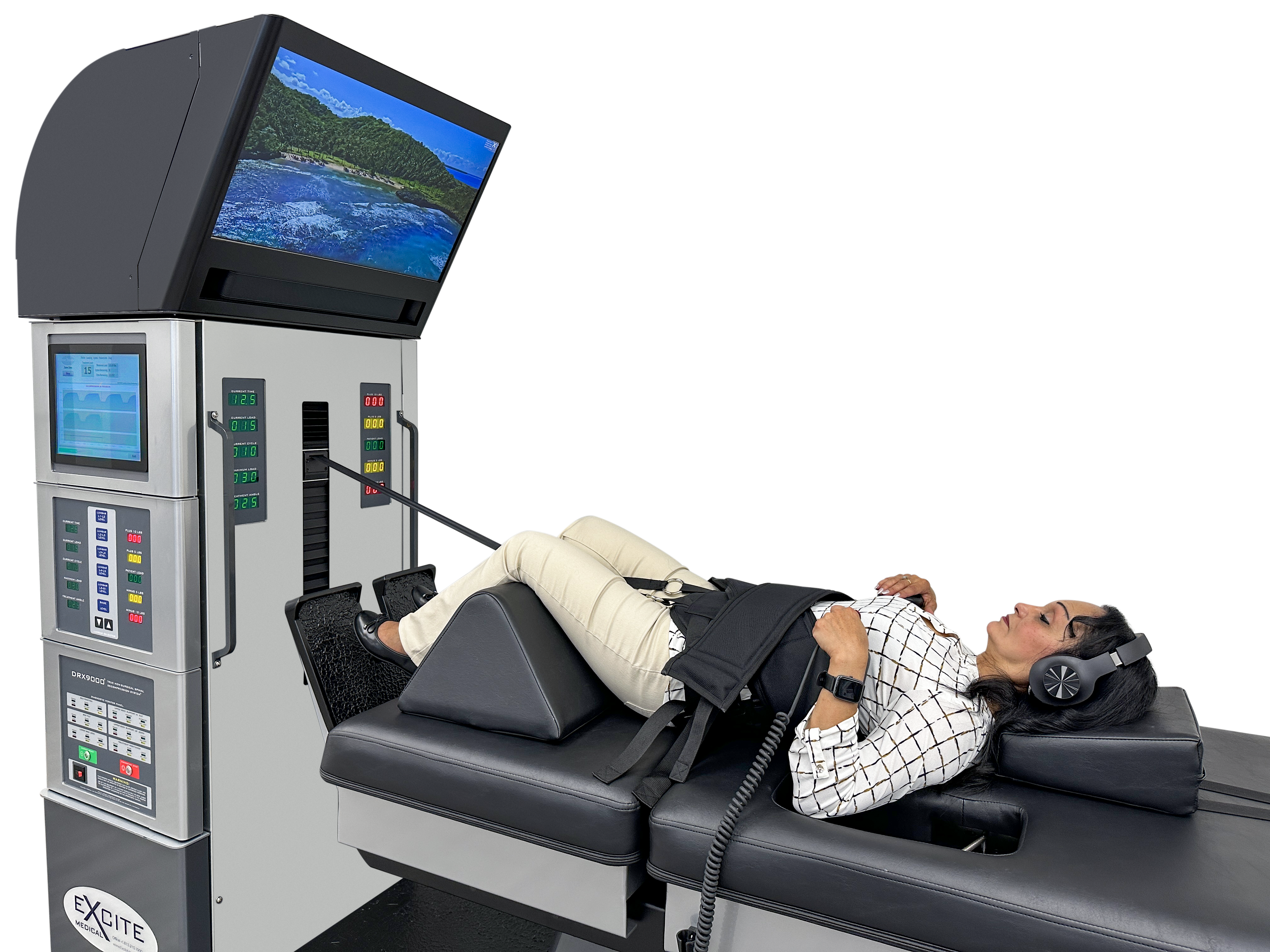
Controlled non-surgical decompression designed to reduce mechanical loading on selected lumbar or cervical discs and nerve structures. It may be considered for appropriate patients with disc-related back or neck pain, sciatica or radiating symptoms.
Explore Spinal Decompression ›MLS Laser Therapy
Non-invasive therapeutic light energy used as part of selected musculoskeletal treatment plans for painful muscles, joints, nerves and soft tissues.
Explore MLS Laser Therapy ›EmField Pro
High Energy Inductive Therapy uses electromagnetic stimulation without mechanical impact. It may be incorporated when pain, muscle guarding, weakness or movement limitations are part of the clinical picture.
Explore EmField Pro ›Pulse PEMF
Pulsed electromagnetic field therapy provides a different electromagnetic application that may be used in selected treatment plans to support comfort, circulation and recovery.
Explore Pulse PEMF ›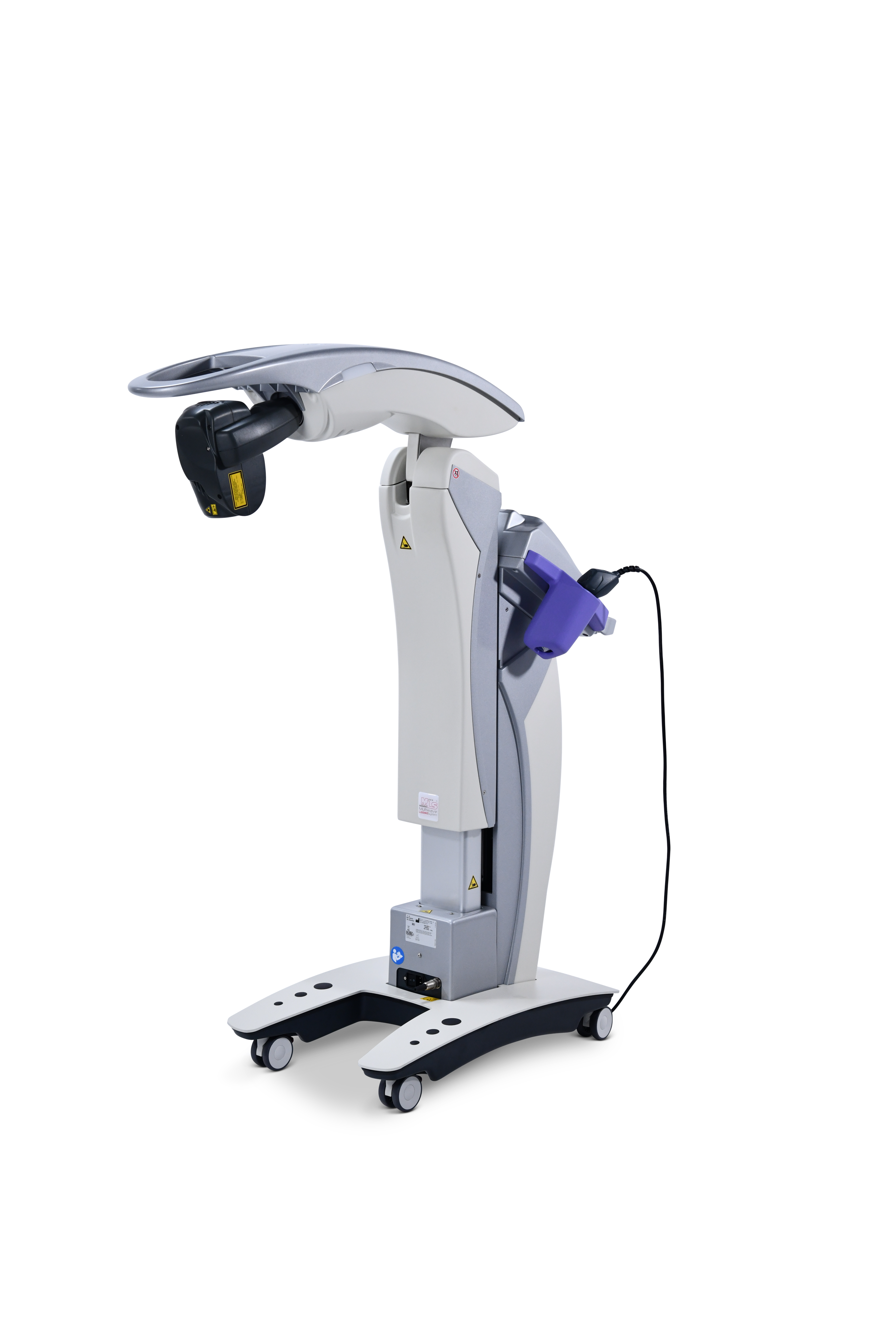
MLS Laser Therapy
Light energy. Non-invasive treatment.
MLS Laser Therapy uses therapeutic light energy and may be incorporated into treatment plans for painful muscles, joints, tendons, irritated soft tissue and selected nerve-related symptoms.
Treatment is non-invasive and typically comfortable. Whether laser therapy makes sense depends on your condition and examination findings.
EmField Pro · High Energy Inductive Therapy
Strong stimulation. No mechanical impact.
EmField Pro uses high-energy electromagnetic fields to stimulate muscles and nerves. Patients generally feel strong pulsing or muscle contractions, with intensity adjusted to a strong but comfortable level.
It may be used when muscle guarding, weakness, mobility problems or nerve-related symptoms are part of the treatment picture.
DRX9000 Spinal Decompression
When the problem may be disc or nerve related.
For selected patients with herniated or bulging discs, degenerative disc changes, sciatica or nerve-related symptoms, spinal decompression may be one option to consider.
The DRX9000 is designed to apply controlled decompression to the spine. Not every patient is a candidate, which is why treatment begins with an evaluation rather than simply putting every back or neck patient on the table.
How your treatment plan is built
Start with the problem. Not the machine.
Consultation
We review your symptoms, history, prior care and what is limiting you now.
Examination
Dr. Dalfino evaluates the affected area and the pattern of your symptoms.
Findings
We explain what may be contributing to the problem and whether care here makes sense.
Treatment
If appropriate, treatment is selected around your findings and response to care.

Meet Dr. James J. Dalfino
More than 25 years evaluating musculoskeletal pain.
Dr. Dalfino has spent more than 25 years working with patients dealing with chronic pain, disc conditions, nerve symptoms and joint problems.
His approach is technology-focused, but the technology comes second. The first step is determining what may be contributing to your symptoms and whether the treatment options available in the office fit the case.
Meet Dr. Dalfino ›Frequently asked questions
Pain management, answered.
What types of pain do you treat?
We evaluate selected cases of back pain, neck pain, sciatica, disc problems, nerve-related symptoms, knee pain, shoulder pain, hip pain, carpal tunnel symptoms, plantar fasciitis and other musculoskeletal pain.
Do you use the same treatment for everyone?
No. Treatment recommendations are based on your history, symptoms, examination findings and the suspected source of the problem. Some patients may use one technology while others may benefit from a combination.
Do you prescribe pain medication?
No. Our office focuses on non-surgical, technology-based musculoskeletal care. Medication management should be discussed with an appropriate medical provider.
Do you perform injections?
No. The treatments offered in our office are non-invasive. If an injection, surgical opinion or another type of medical care appears necessary, that should be handled by the appropriate medical specialist.
Can this help me avoid surgery?
Some patients explore conservative care before deciding on surgery, but no non-surgical treatment can guarantee that surgery will not eventually be necessary. Candidacy and response vary by condition and individual.
How quickly should I expect improvement?
Response varies from patient to patient. The condition, severity, duration of symptoms, health history, activity level and treatment consistency can all influence progress. No specific timeline or result can be guaranteed.
Your next step
Find out what may be
driving your pain.
Start with a one-on-one consultation and examination with Dr. Dalfino at Connecticut Disc and Laser Therapy Centers in Shelton.
New Patient Special
Consultation · Examination · Report of Findings · First Treatment
Schedule My New Patient Visit