
Frozen Shoulder · Shelton, Connecticut
When your shoulder
limits your day.
Reaching behind your back or raising your arm can become difficult when shoulder stiffness builds. Get a clearer understanding of the restriction and your next step.

Understand the condition
Frozen shoulder involves more than soreness.
Frozen shoulder, also called adhesive capsulitis, causes pain and restricted movement as the shoulder capsule becomes tight. It is different from a rotator cuff problem, although both can make everyday movement uncomfortable. An examination helps distinguish the causes.


Your evaluation
Make your visit
about your situation.
Your history and assessment of shoulder motion help guide the evaluation. Tell us about previous surgery, periods of immobilization, diabetes and prior treatment. Bring any records you already have so the discussion starts with your individual situation.
Explain what you would like to do more comfortably, whether that means work, sleep, exercise or everyday tasks. Your goals help focus the conversation.

Care planning
Choose the next step
with a clearer picture.
Restoring movement is a central part of frozen shoulder care, often through a guided flexibility and rehabilitation program. Our evaluation helps determine whether services here fit your needs or whether coordinated care or referral is more appropriate. The pace should reflect your symptoms and stage of recovery.
- Shoulder Pain
- Rotator Cuff Pain
- Neck Pain
- Arm Pain
When an evaluation may make sense
Still hurting?
There may be more to explore.
Painful movement
Discuss the activities that hurt and how the problem began.
Increasing stiffness
Describe any changes in reaching overhead, dressing or reaching behind your back.
A gradual course
Recovery can take a long time. Progress should be assessed against your own movement and function.
Symptoms that keep returning
Tell us when symptoms come back and what you were doing when they returned.
Prior care has not been enough
Share what you’ve already tried and what helped, even temporarily.
You want another opinion
You want a fresh evaluation before deciding what to do next.
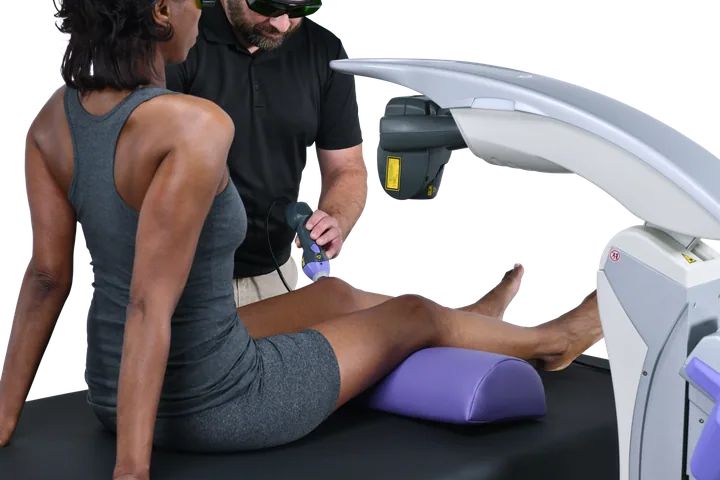
MLS Laser Therapy
Non-invasive therapeutic light energy used as part of selected musculoskeletal treatment plans.
Explore MLS Laser Therapy ›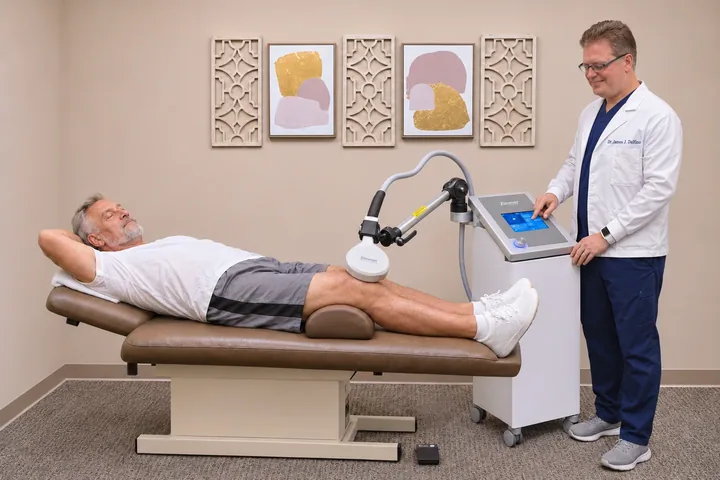
EmField Pro
High Energy Inductive Therapy designed to deliver strong electromagnetic stimulation without mechanical impact.
Explore EmField Pro ›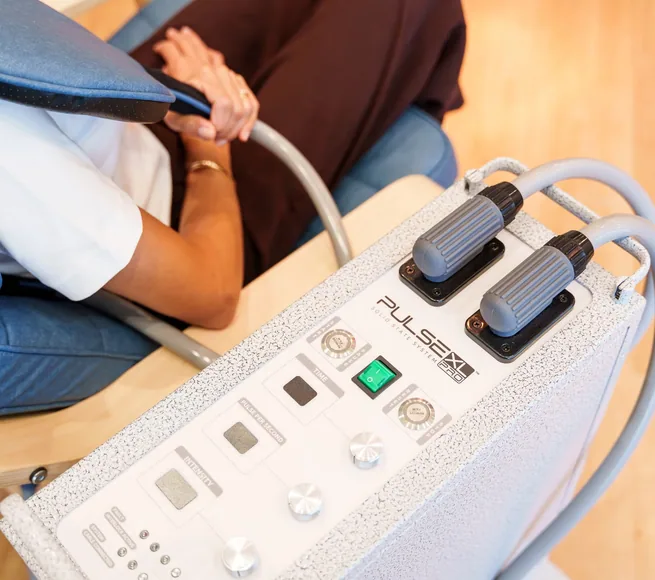
Pulse PEMF
Pulsed electromagnetic field therapy used selectively within individualized treatment plans.
Explore Pulse PEMF ›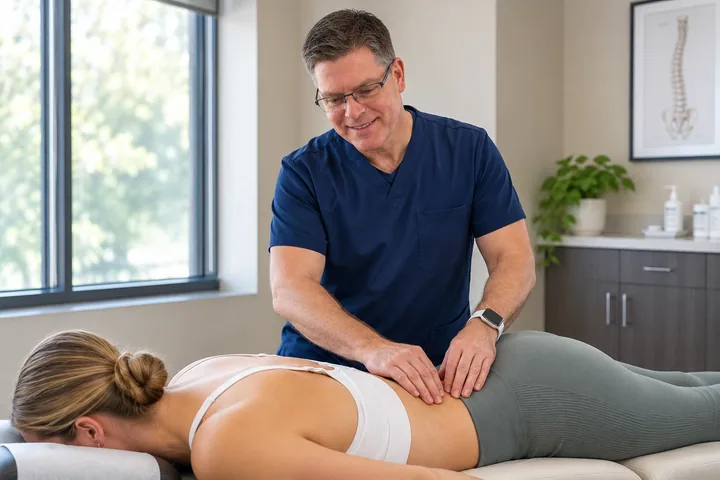
Chiropractic Care
See how examination findings guide the use of hands-on care and other treatment options.
Explore Chiropractic Care ›
Meet Dr. James J. Dalfino
More than 25 years treating frozen shoulder.
Dr. Dalfino has spent more than 25 years working with patients experiencing chronic pain and musculoskeletal problems.
His technology-focused approach begins with determining what may be contributing to the problem before recommending treatment.
Meet Dr. Dalfino ›Frequently asked questions
Frozen Shoulder, answered.
When to seek prompt medical attention
Do not assume sudden shoulder pain after an injury is frozen shoulder. Prompt assessment is important for major weakness, deformity, or a red, hot joint with fever. Chest pressure or breathlessness with shoulder pain warrants emergency care.
Is every stiff shoulder frozen shoulder?
No. Other joint and tendon problems can restrict movement. An examination helps determine what is causing the stiffness.
How long does frozen shoulder last?
Recovery is often gradual and may take months to years. There is no single timeline or guaranteed number of visits.
Should I force my shoulder through painful movements?
Discuss an appropriate movement plan with your clinician. Exercise intensity and range should be tailored to your symptoms rather than forcing painful stretches.
Patient education sources
General educational resources. These organizations do not endorse this practice or its services. Individual recommendations require an examination.

Your next step
Start with a conversation.
Find out what may be driving your pain.
Tell Dr. Dalfino what hurts, how it affects your day and what you want to get back to. Your consultation and examination help identify what may be contributing to your symptoms and whether our care is appropriate for you.
Consultation, examination, report of findings and first treatment when appropriate.
Schedule My New Patient Visit