
Rotator Cuff Pain · Shelton, Connecticut
Reach with
a clearer plan.
Shoulder discomfort can interrupt getting dressed, lifting and sleeping. Understanding what is involved is the first step toward a plan that fits your shoulder.

Understand the condition
Rotator cuff pain can have more than one cause.
The rotator cuff is a group of muscles and tendons that helps move and stabilize the shoulder. Tendon irritation, nearby bursa irritation and tears can produce overlapping symptoms. The location of pain alone cannot tell you which is present.


Your evaluation
Make your visit
about your situation.
Your evaluation includes the history of any injury, shoulder movement and strength. We also consider whether the neck or another structure could be involved. Bring previous imaging reports; additional imaging or an orthopedic opinion may be appropriate depending on the findings.
Explain what you would like to do more comfortably, whether that means work, sleep, exercise or everyday tasks. Your goals help focus the conversation.

Care planning
Choose the next step
with a clearer picture.
Many shoulder complaints are initially managed with activity modification and rehabilitation focused on motion and strength. We can discuss whether our non-surgical services are appropriate alongside your broader care plan. Symptom improvement does not establish that a torn tendon has repaired.
- Shoulder Pain
- Frozen Shoulder
- Neck Pain
- Arm Pain
When an evaluation may make sense
Still hurting?
There may be more to explore.
Reaching and lifting
Tell us whether raising or lowering your arm provokes the pain.
Night discomfort
Describe whether your shoulder interrupts sleep or limits comfortable positions.
Strength changes
A new loss of strength, particularly after an injury, deserves prompt attention.
Symptoms that keep returning
Tell us when symptoms come back and what you were doing when they returned.
Prior care has not been enough
Share what you’ve already tried and what helped, even temporarily.
You want another opinion
You want a fresh evaluation before deciding what to do next.
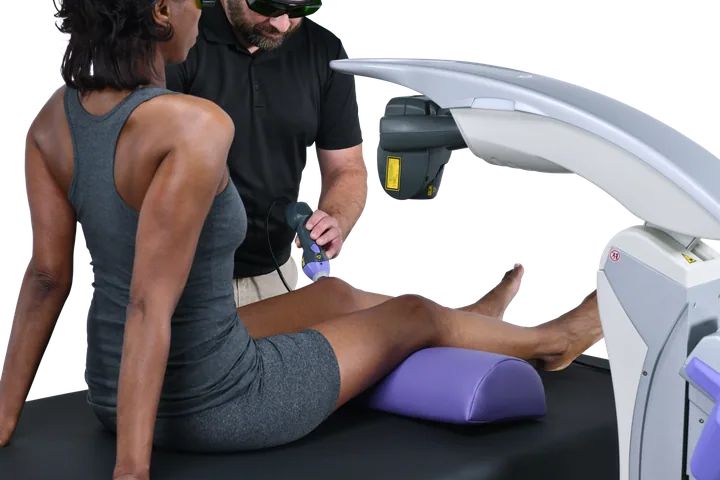
MLS Laser Therapy
Non-invasive therapeutic light energy used as part of selected musculoskeletal treatment plans.
Explore MLS Laser Therapy ›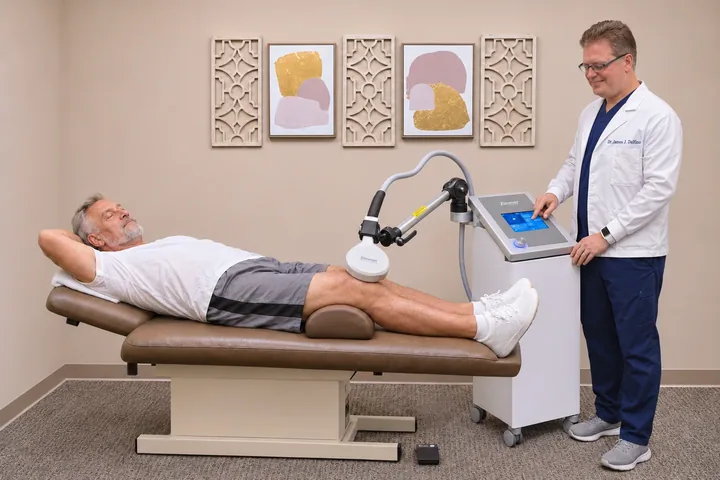
EmField Pro
High Energy Inductive Therapy designed to deliver strong electromagnetic stimulation without mechanical impact.
Explore EmField Pro ›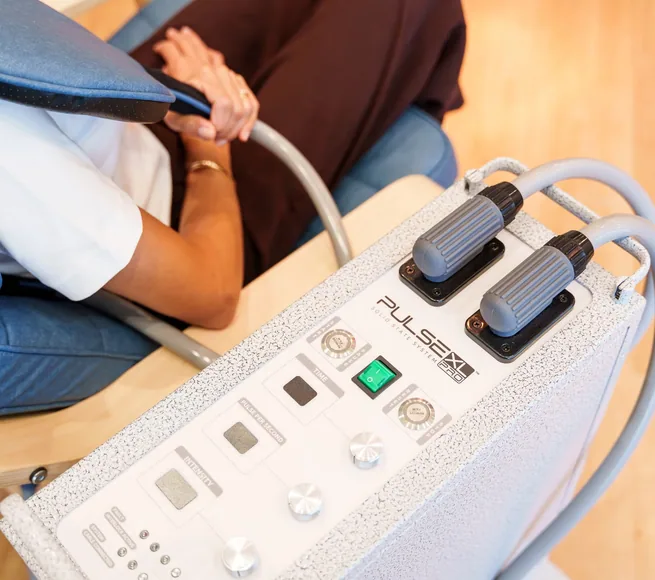
Pulse PEMF
Pulsed electromagnetic field therapy used selectively within individualized treatment plans.
Explore Pulse PEMF ›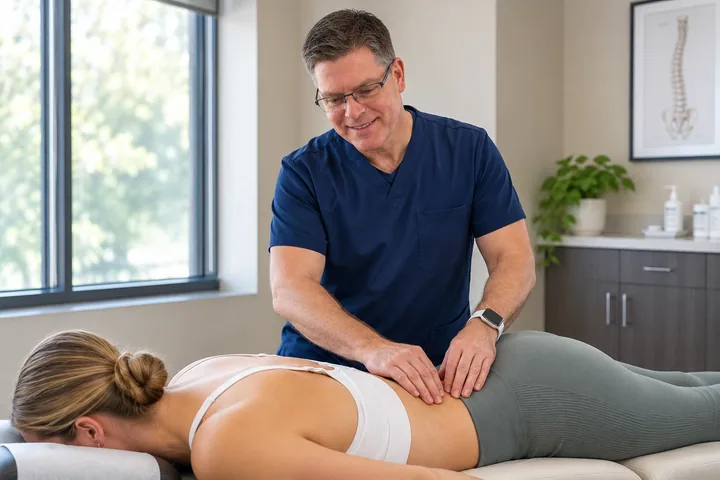
Chiropractic Care
See how examination findings guide the use of hands-on care and other treatment options.
Explore Chiropractic Care ›
Meet Dr. James J. Dalfino
More than 25 years treating rotator cuff pain.
Dr. Dalfino has spent more than 25 years working with patients experiencing chronic pain and musculoskeletal problems.
His technology-focused approach begins with determining what may be contributing to the problem before recommending treatment.
Meet Dr. Dalfino ›Frequently asked questions
Rotator Cuff Pain, answered.
When to seek prompt medical attention
Seek prompt medical assessment for sudden inability to lift your arm after an injury, marked swelling or visible deformity. Shoulder discomfort with chest pressure, shortness of breath or sweating needs emergency care.
Does rotator cuff pain always mean a tear?
No. Tendon irritation and other shoulder problems can produce similar pain. Examination and, when indicated, imaging help clarify the cause.
Can laser therapy repair a torn tendon?
We do not promise that laser therapy repairs a rotator cuff tear. Treatment decisions depend on the diagnosis, and some tears need orthopedic assessment.
Do I need an MRI before scheduling?
Not automatically. Bring any existing reports. The need for imaging depends on the injury history, examination and whether it would change management.
Patient education sources
General educational resources. These organizations do not endorse this practice or its services. Individual recommendations require an examination.

Your next step
Start with a conversation.
Find out what may be driving your pain.
Tell Dr. Dalfino what hurts, how it affects your day and what you want to get back to. Your consultation and examination help identify what may be contributing to your symptoms and whether our care is appropriate for you.
Consultation, examination, report of findings and first treatment when appropriate.
Schedule My New Patient Visit