
Back Pain · Shelton, Connecticut
Back Pain After Gardening:
How to Keep Enjoying Your Yard in Shelton
Spring yard work left you stiff? Get practical ways to pace gardening, recognize warning signs, and discuss a non-surgical back care plan in Shelton.
$99 New Patient Special ↗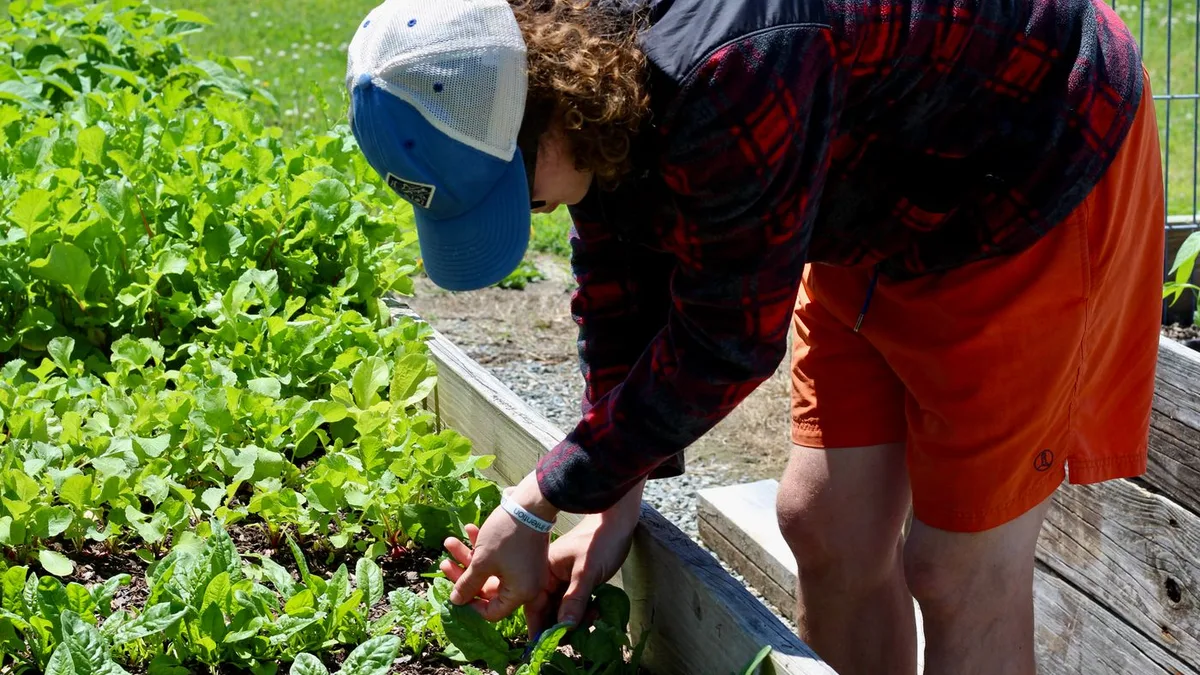
The garden may have looked better after a weekend of digging, planting, and moving bags. Your back may not have felt better when you stood up from dinner. If spring yard work left you stiff or sore, the useful question is how to keep enjoying it without repeating the same difficult cycle.
At Connecticut Disc and Laser Therapy Centers in Shelton, we want the care discussion to connect with the life you actually lead. For a gardener, that may mean tending a raised bed comfortably, getting down to plant and back up again, or carrying a watering can without worrying about the rest of the day.
A weekend can be a large jump in activity
You might not describe gardening as exercise, yet it can combine lifting, repeated bending, kneeling, reaching, and hours on your feet. After a less active stretch, the amount of work may matter as much as any single movement.
Look at the entire day: loading supplies, unloading the car, digging, cleanup, and the drive to get more materials. Write down when the discomfort began and which tasks aggravated it. “I worked outside all day” is useful context; “I could plant comfortably, but moving the bags repeatedly made my back ache” is even more useful.
Do not turn soreness into an automatic diagnosis
Back pain after gardening can have several explanations. The activity that preceded the pain does not establish that a disc slipped or a joint moved out of place. Pain traveling down a leg, altered sensation, or weakness adds information that should be assessed.
An evaluation can help determine whether the presentation appears suitable for conservative care or needs further medical investigation. You should be able to ask what the examination suggests, what remains uncertain, and which changes would lead to a different recommendation. Imaging should answer a useful clinical question rather than simply provide a picture of every sore back.
Break the project into jobs your body can tolerate
Instead of deciding whether you can finish the whole yard, decide what a manageable first session looks like. Alternate tasks and positions before discomfort becomes the only reminder to stop. Put frequently used tools within reach and consider whether a smaller container or another person's help would make a heavy job easier.
For a raised bed, a suitable seat or kneeling support may make the work more comfortable. For supplies, arranging delivery closer to the work area may reduce carrying. These are ways to change the demands of a task, not rules that make a particular posture permanently safe or unsafe.
Keep ordinary movement in the picture
Stopping the heaviest chores temporarily is different from spending the rest of the week in bed. For many uncomplicated back-pain episodes, staying gently active is part of recovery. Comfortable walking and frequent changes of position can be easier to manage than one long session of work.
Pay attention to the response later that day and the next morning. If you repeatedly need the whole next day to recover from a short task, bring that pattern to your appointment. It may help the clinician understand your current tolerance and plan a more gradual return to the activities you enjoy.
What to discuss with Dr. Dalfino
Bring a practical goal: carrying a small bag, working at the potting bench, or getting through ordinary household tasks. Explain any previous treatment, imaging, surgery, or medical restrictions. A treatment plan should account for those details instead of treating every gardening-related flare the same way.
Our back pain evaluation and chiropractic care resources describe our conservative approach. Ask how office care will be paired with advice for the tasks that matter to you and when progress will be reassessed. Improvement should be visible in your activities, not just in a description of what a machine is doing.
Advanced care should have a clear reason
Our office has DRX9000 spinal decompression, MLS Laser Therapy, emFieldPro, and PEMF. A gardener with a new ache does not automatically need any particular technology. The choice should follow the assessment, the nature of the complaint, and a discussion of expected benefits and limitations.
If a device is recommended, ask why it is being proposed for your case and what would count as a useful response. Our research library distinguishes device-specific studies from related research. No approach should be presented as a guarantee that you can lift without limits or never experience another flare.
When to seek more urgent help
Do not wait for a routine appointment if new bladder or bowel problems, groin numbness, or severe symptoms affecting both legs develop. Progressive weakness, significant trauma, fever with back pain, or feeling systemically unwell should also change the urgency of your next step.
If pain continues to worsen or is not behaving as expected, seek reassessment. A desire to finish the garden is understandable, but it is not a reason to push through symptoms that warrant medical attention. Tell the clinician about changes rather than assuming they are an unavoidable part of getting older.
Plan for the garden you want to keep enjoying
The aim is not to make you fearful of planting or lifting. It is to help you understand the symptoms, choose manageable steps, and build a realistic return to the work you value. A good plan should fit your garden and your everyday responsibilities.
If spring yard work brought a back problem to your attention, schedule an evaluation at our Shelton office. We welcome people from Shelton, Derby, and surrounding communities who want to discuss non-surgical options. Tell us what you would like to do more comfortably, and bring the questions you have been putting off.
Sources and further reading

Dr. James J. Dalfino
Connecticut Disc and Laser Therapy Centers · Shelton, Connecticut.
Patient education. Individual recommendations require an examination.