
Foot & Heel Pain · Shelton, Connecticut
First-Step Heel Pain:
Why Your Heel Hurts After Rest—and What to Do Next
Dreading the first steps out of bed? Learn how plantar fasciitis differs from other causes of heel pain and how a personalized non-surgical plan can help you move forward.
$99 New Patient Special ↗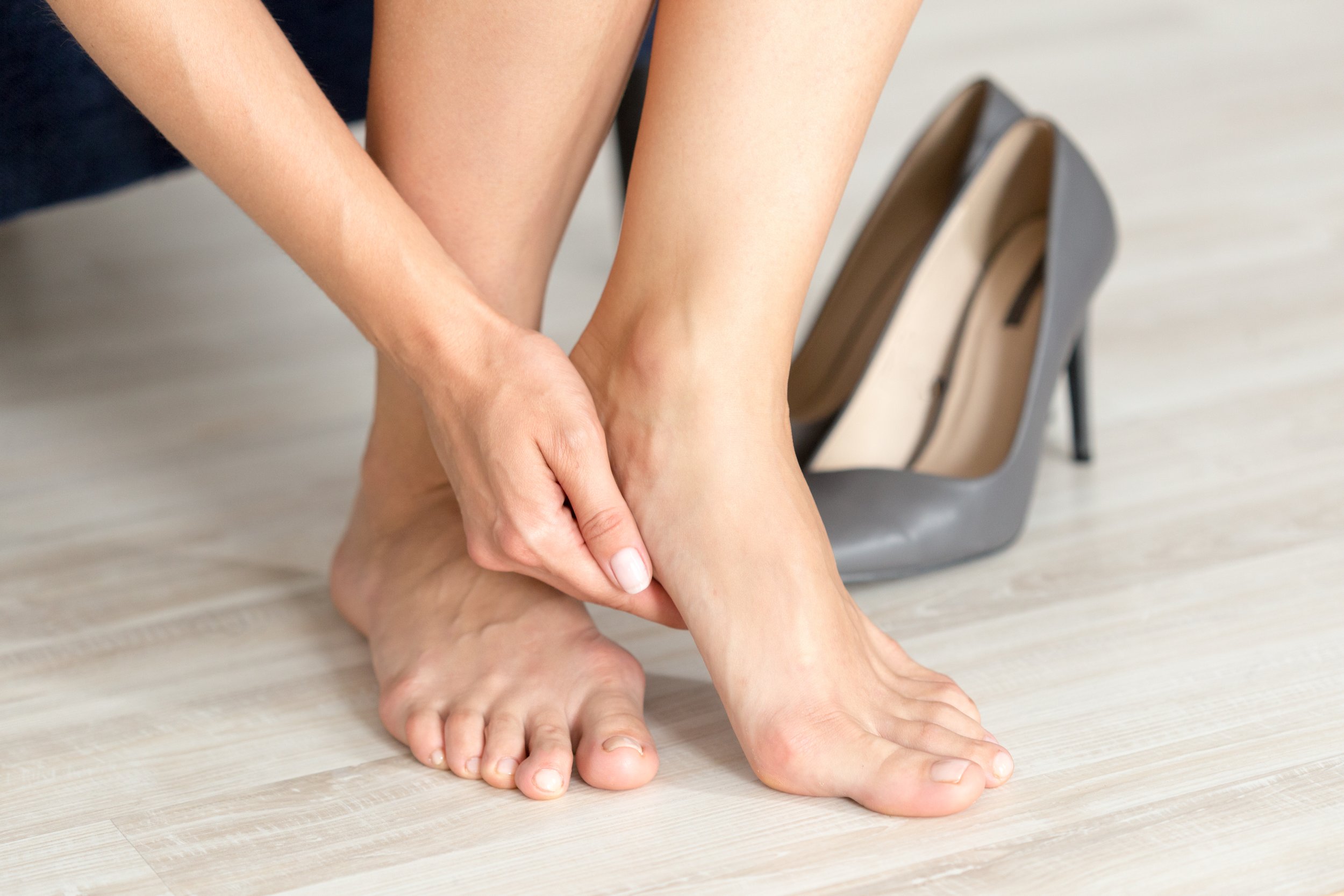
You put your foot on the floor, stand up, and immediately shorten your step. After a few minutes, the discomfort may ease—until you get out of the car, rise from your desk, or stand after dinner.
That start-up pattern deserves attention. It can fit plantar fasciitis, a common cause of pain beneath the heel, but a familiar symptom is not the same as a diagnosis. The useful question is not simply how to get through those first steps. It is why the heel is hurting and what needs to change.
Why the first steps can hurt more than the next few
The plantar fascia is a strong band of tissue along the bottom of the foot that helps support the arch. When the tissue is irritated, pain often appears near its attachment at the heel. Taking weight again after a period of rest can be particularly uncomfortable.
People often describe a sharp, bruised, or pulling sensation with the first steps in the morning. The same pattern may follow a long drive or time spent sitting. It may settle as you move, then return with another demanding period on your feet.
Temporary improvement is useful information for your examination. It does not prove that the underlying problem has resolved or that a longer walk will be comfortable.
Busy days can hide how much your feet are doing
At this time of year, “I have not changed my exercise routine” may be true while the rest of your schedule has changed considerably. Shopping, food preparation, extra shifts, and longer days away from home all contribute to the demands placed on your feet.
Rather than searching for one dramatic injury, look at the pattern of the week. Long periods standing on hard floors, a recent increase in walking or running, and footwear that no longer feels supportive can all be relevant to a heel-pain discussion.
Bring a practical description: “I can manage my morning errands, but standing through my afternoon shift is difficult.” That gives your clinician a more useful starting point than a pain score alone.
Not every painful heel is plantar fasciitis
Pain behind the heel can involve the Achilles tendon. A stress injury, nerve irritation, and other conditions may also cause heel symptoms. Burning, numbness, substantial swelling, or pain following a specific injury should be mentioned rather than folded into a self-diagnosis.
An X-ray report mentioning a heel spur can be confusing. Many people have spurs without pain; finding one does not automatically explain your symptoms or mean it needs removal. Treatment decisions should connect your examination findings with the way your foot is functioning.
The goal is to identify the problem that fits your situation—not to choose a treatment solely because a scan contains an alarming word.
What a useful evaluation should cover
A heel-pain evaluation starts with your history and an examination. Where is the most tender area? How does the ankle move? What happens when you stand, walk, or load the foot? What has already been tried?
Imaging is not automatically required for a typical presentation. It may be appropriate when the examination raises concern for another problem, such as a stress fracture. Bring previous reports if you have them, but let the assessment guide what information is needed next.
Before your visit, note:
- Whether pain is under the heel, behind it, or extending into the arch.
- How the first morning steps compare with the end of the day.
- Which shoes, surfaces, or activities seem to change symptoms.
- Any recent injury, numbness, health changes, or previous treatment.
Non-surgical care is a plan—not just an appointment
Conservative care commonly includes modifying aggravating activities, appropriate calf and plantar-fascia stretching, and a gradual strengthening program. Supportive footwear, selected inserts, taping, or a night splint may be considered depending on the findings.
The details matter. A plan for someone standing at work all day should address that reality. A runner returning after a break may need a different progression. Ask which activities to adjust, what to practice at home, and what response would mean that the plan needs to change.
At Connecticut Disc and Laser Therapy Centers, we evaluate foot and heel pain and discuss non-surgical options appropriate to the individual. Our office offers MLS Laser Therapy and other technologies that may be discussed as part of a personalized plan.
A device should have a defined role, realistic expectations, and a reason for being included. It does not replace an accurate diagnosis, sensible activity changes, or follow-through between visits. Treatment suitability and results vary.
Measure progress in the activities you want back
“Better” should mean something you recognize in daily life. Choose two or three goals to discuss at your appointment:
- Getting from the bedroom to the kitchen without limping.
- Standing through a necessary work task more comfortably.
- Completing a short walk without paying for it later that day.
Keep your notes simple. What could you do, what happened afterward, and what was different from the previous week? These details make a follow-up visit a discussion about progress rather than a guess about whether anything is changing.
Recovery is not a promise attached to a preset number of visits. If improvement stalls, the diagnosis, daily demands, and treatment approach deserve another look.
When heel pain needs prompt medical attention
Seek urgent assessment after an injury if you cannot walk, have severe pain, or heard a snap or pop. Do not wait for a routine visit when an injury may involve a fracture or tendon rupture.
Arrange medical evaluation for worsening or recurring symptoms, loss of feeling, or foot pain when you have diabetes. An online article cannot determine which condition is responsible.
Start with the next step—not another month of guessing
If heel pain is changing how you walk, work, or get through the morning, you do not have to arrive with the diagnosis already figured out. Bring your questions, your usual footwear, and a clear description of the activities you want back.
Our Shelton office can help you understand the findings and discuss whether our non-surgical services fit your needs. Schedule your $99 New Patient Special, including a consultation, regional examination, doctor’s report, and first treatment when appropriate. Call (203) 922-9277.
Patient education sources
These independent resources support the general education in this article. They do not endorse this practice or its treatment services.
Start with a clearer plan.
Our $99 New Patient Special includes a consultation, regional examination, doctor’s report and first treatment when appropriate.
No medications. No injections. No surgery.
Schedule your new patient visit ↗2 Trap Falls Road, Suite 208 · Shelton, CT 06484
(203) 922-9277

Dr. James J. Dalfino
Connecticut Disc and Laser Therapy Centers · Shelton, Connecticut.
Patient education. Individual recommendations require an examination.