
Start with your story.
We begin by discussing where it hurts, what movements trigger it, and what care you have already tried.
Knee Pain Treatment · Shelton, Connecticut
Whether your knee hurts walking, climbing stairs, standing up from a chair, or simply getting through the day, the first step is understanding what may be contributing to the problem.

Why patients come to us for knee pain
Knee pain may involve arthritis, joint irritation, meniscus-related symptoms, reduced mobility, muscle guarding, weakness, or a combination of factors.
That is why we start with an evaluation rather than assuming every painful knee should be treated the same way.
Many patients come to us because they want to explore conservative, non-surgical treatment options before deciding whether injections or surgery are the right next step for them.

A more focused approach
The goal is to identify the pattern of your knee pain, determine whether conservative care is appropriate, and build a treatment plan around your specific findings rather than a one-size-fits-all protocol.

Common knee problems we evaluate
Your care plan
Your treatment plan should focus on the activities knee pain is taking away from you.
We begin by discussing where it hurts, what movements trigger it, and what care you have already tried.
Your examination helps determine whether treatment here is appropriate, what goals are reasonable, and whether another medical or orthopedic evaluation should come first.
Dr. Dalfino explains why a treatment is being recommended and how your progress will be reassessed.
Non-surgical treatment options
When appropriate, your plan may include MLS laser, EmField Pro or PEMF. These are tools selected for your findings and goals.
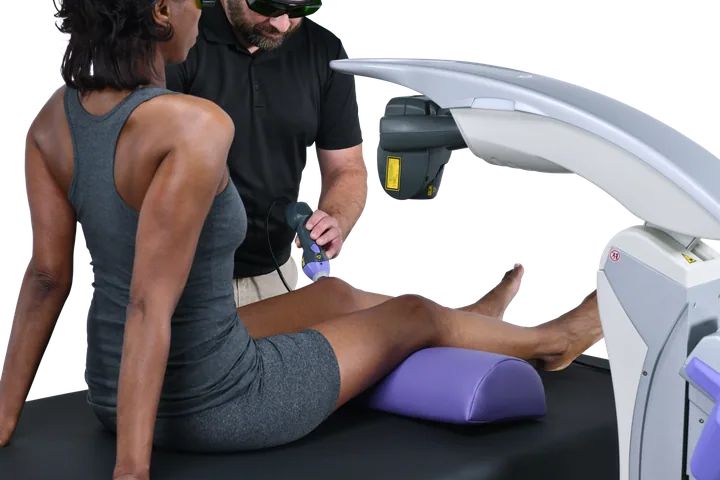
Non-invasive therapeutic light energy that may be used in selected musculoskeletal treatment plans to help reduce discomfort and support normal tissue response.
Explore MLS Laser Therapy ›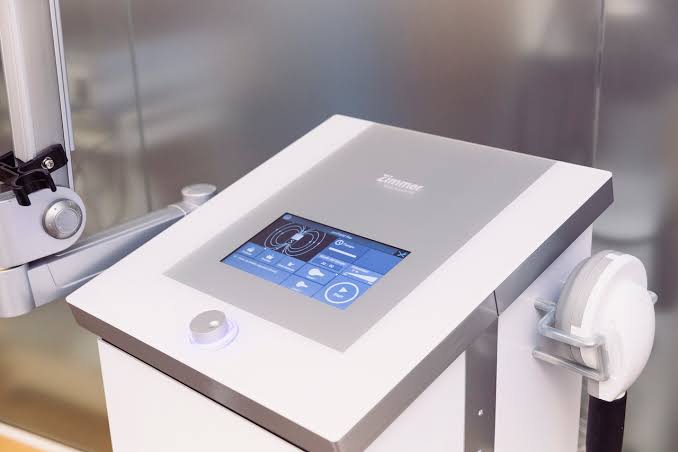
High Energy Inductive Therapy uses electromagnetic stimulation without mechanical impact. It may be incorporated when muscle function, movement, and local tissue irritation are part of the clinical picture.
Explore EmField Pro ›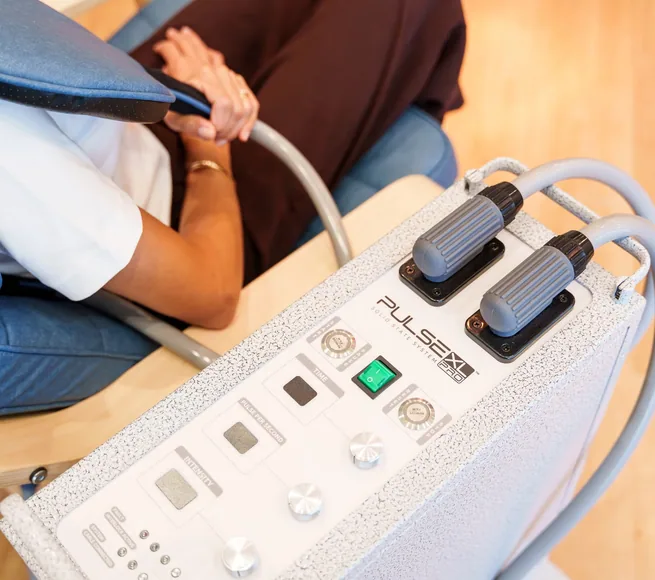
Pulsed electromagnetic field therapy may be used as part of selected conservative care plans to support comfort, circulation, and recovery.
Explore Pulse PEMF ›
See how we evaluate persistent pain and explain the options before you decide how to proceed.
Explore pain managementWhy HEIT and laser may be considered
Joint changes, irritation, weakness and reduced mobility can all contribute to knee pain. An evaluation helps determine whether non-surgical care may help with comfort, movement and everyday activities, or whether additional medical or orthopedic care is appropriate.
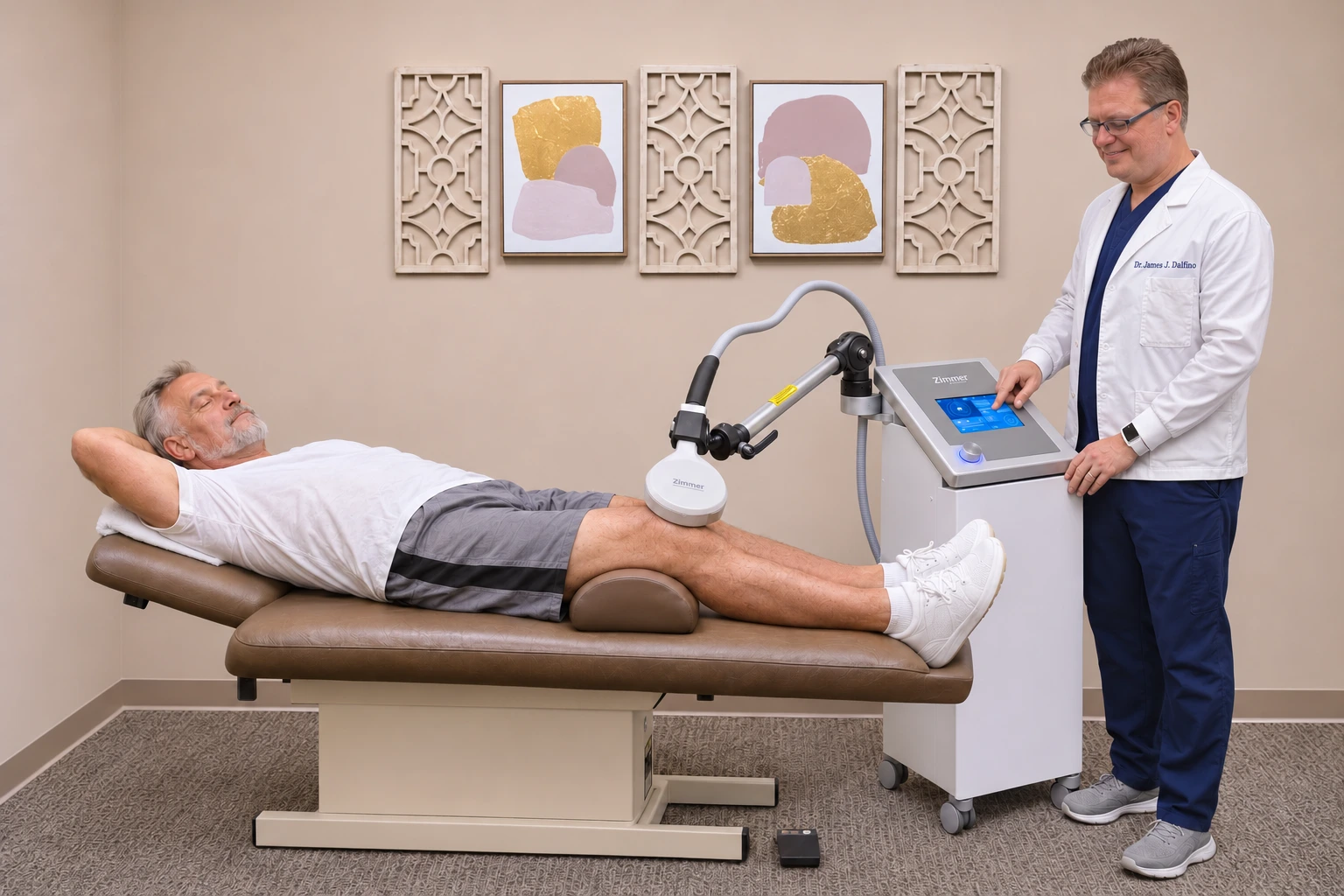

Meet Dr. James J. Dalfino
Dr. Dalfino has spent more than 25 years working with patients with musculoskeletal pain and chronic conditions.
His technology-focused approach starts with understanding the problem, then determining whether the technologies in the office are a good fit.
Meet Dr. Dalfino ›Frequently asked questions
We evaluate patients with knee arthritis and other degenerative knee conditions. Whether care in our office is appropriate depends on your symptoms, examination findings, health history, and overall condition.
Some patients with advanced degenerative changes still explore conservative options for symptom management and function. Treatment does not regrow missing cartilage or guarantee that surgery can be avoided.
We evaluate knee pain that may involve meniscus irritation, but not every meniscus problem is appropriate for conservative care. Locking, significant instability, acute trauma, or other red flags may require orthopedic evaluation.
MLS Laser Therapy may be used in selected knee cases as part of a conservative treatment plan. It is not automatically the right option for every patient.
EmField Pro uses high-energy electromagnetic stimulation. Patients generally feel strong muscle contractions or pulsing during treatment. Intensity is adjusted to a strong but comfortable level.
Response varies from patient to patient. Your diagnosis, severity, duration of symptoms, activity level, health history, and treatment consistency can all affect how you respond. No specific result or timeline can be guaranteed.

Your next step
At our Shelton office, Dr. Dalfino will ask when your knee pain started and what makes it worse, such as walking, climbing stairs, or standing up from a chair. He’ll examine how your knee moves, review any imaging you bring, and explain the findings and which next steps may be appropriate.
Consultation, examination, report of findings and first treatment when appropriate.
Schedule My New Patient Visit